


How to Choose the Right Construction Company in North Las Vegas
Nevada issues a separate contractor license classification for nearly every trade, so a company that shows you one valid license may be legally barred from touching three other parts of your project. Anyone vetting a construction company in North Las Vegas for a multi-phase job needs to check classifications, permit history, and material supply chains before signing. Here’s the framework we’d use if we were the homeowner. If you’d rather skip the homework and get a straight answer, call (833) 734-2032.
What does a Nevada contractor license actually cover?

Nevada’s contractor board issues a general B-2 residential and small commercial license, and then a separate C-class specialty license for each individual trade. That means a B-2 holder can build a house, but the plumbing, electrical, and HVAC work still requires either a licensed specialty contractor or a properly licensed subcontractor on the job. This distinction matters most in North Las Vegas, where a lot of new residential construction and mid-size remodeling happens, and where the line between a full-service general contractor and a scope-limited trade gets blurry in advertising.
When you’re vetting a contractor for a project that crosses trades, you want to see:
- The primary contractor’s license classification, not just a license number.
- For each trade on your project, either a matching specialty classification in-house or a named, licensed subcontractor.
- Confirmation the license is active and in good standing with the Nevada State Contractors Board.
Pull the license record yourself. It’s free, it’s public, and it will tell you in two minutes whether a “full-service” company is actually licensed to do the roof, the concrete, and the finish carpentry you were quoted. A contractor who’s honest about their classifications is usually honest about everything else.
Why does permit history matter before you hire in North Las Vegas?
Clark County and the City of North Las Vegas publish permit records online, and that record is one of the most useful vetting tools homeowners have. An open permit – meaning pulled but never inspected or never closed out – tells you the contractor walked away from a job or never finished the inspection cycle. When you hire a new contractor, that open permit becomes their problem, and often yours at resale.
Run the permit search on any contractor you’re seriously considering:
- Search by contractor name and license number, not just address.
- Look at the ratio of closed permits to open ones. A few open permits on active jobs is normal. A stack of stale ones is a red flag.
- Check whether permits on past jobs match the type of work they’re proposing to do for you.
A company that pulls permits consistently is telling you two things: they expect the work to be inspected, and they plan to be around when it is. Any reputable construction company in North Las Vegas will hand you the permit history without hesitation.
Single-source contractor vs. general contractor with subcontractors
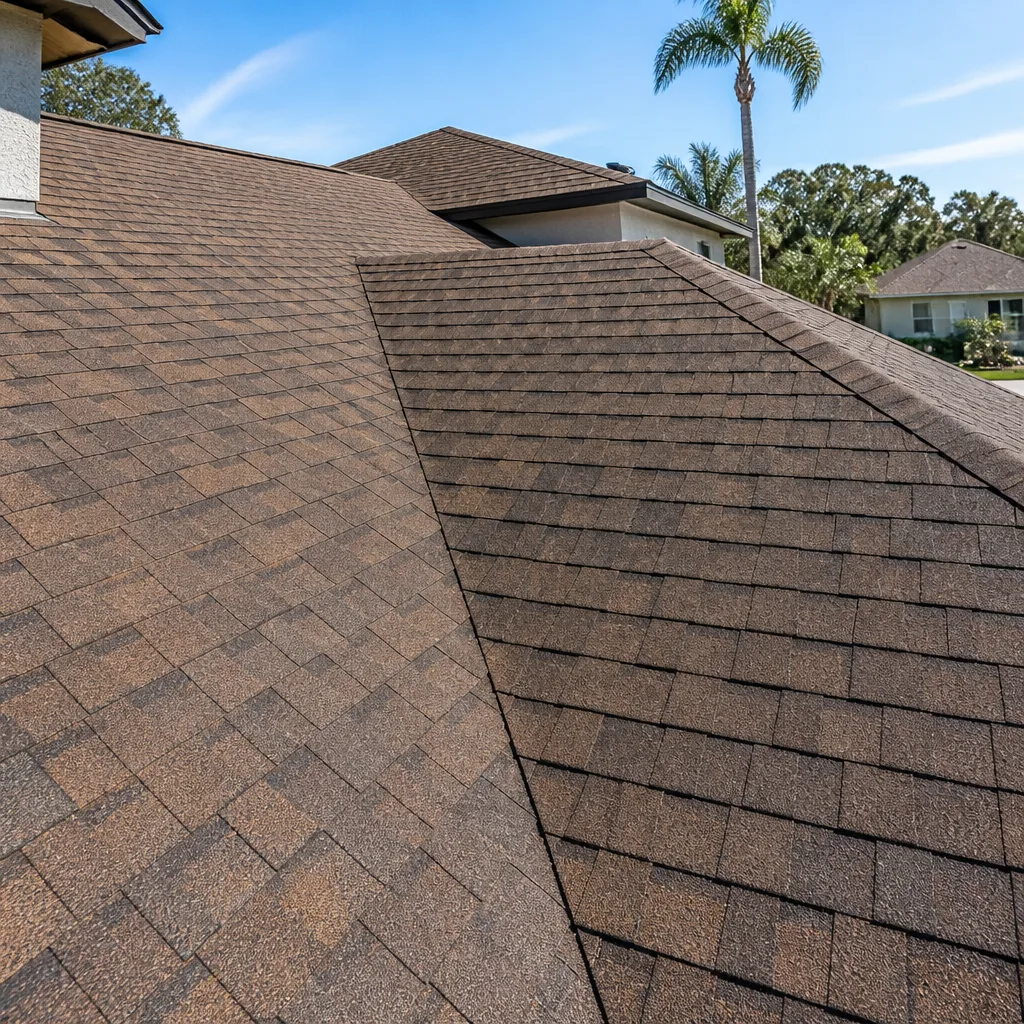
This is the cost question most homeowners never think to ask. When a contractor manages their own crews on the trades they’re licensed for, you pay one markup. When a general contractor subs out every phase – concrete, framing, roofing, finish – each subcontractor builds their own margin into their price, and you pay four or five markups on a single project. Neither model is automatically wrong, but you should know which one you’re buying.
The trade-off is real in both directions. A single-source contractor can control scheduling and material quality tightly because they’re coordinating fewer moving parts. A GC with subs brings flexibility for niche work. Where homeowners in North Las Vegas get burned is paying single-source prices for a sub-everything operation, or paying GC prices for a company that only holds one classification and quietly farms out the rest unlicensed.
Ask directly: “Which trades on my project will be done by your own crews, which will be subcontracted, and are all the subs licensed and permitted under your license?” Get it in writing in the contract. A straightforward answer takes a minute. A vague one tells you a lot.
How material sourcing separates serious contractors from the rest
Anyone can print a brand logo on a proposal. The question is whether the contractor actually holds a distributor or dealer account with that manufacturer, or whether they’re buying the same box you could buy yourself. A contractor with a standing account at a Belgard, GAF, or James Hardie distributor is buying warranty-backed product lines with defined specifications and manufacturer support behind them. A contractor buying out of big-box retail is buying whatever’s on the shelf that week.
Ask for the distributor account name, not just the brand. Legitimate accounts are easy to confirm. For your fence line specifically, this is where fence installation gets interesting: manufacturers like Ameristar, Barrette, and Master Halco all sell through authorized dealer networks with warranty coverage tied to proper installation. A contractor who can name their supply account can also tell you which gauge or panel line they specify and why. That conversation is worth having before the first post goes in the ground.
We specify the brand before the crew arrives because material quality is locked in long before the first nail. On a multi-trade renovation in North Las Vegas, the product lines behind your countertops, roofing, and cabinetry are what determine how the job looks in year ten, not year one.
How to read a construction contract before you sign

Most construction disputes trace back to a contract missing five sections, not to bad craftsmanship. Before you sign anything for a project in North Las Vegas, verify these are defined in writing:
- Start and end conditions. What has to be true before work begins (permits issued, materials on site), and what counts as substantial completion.
- Inspection hold points. Which phases require a passed inspection before the next trade starts, and who schedules those inspections.
- Substitution approval rights. Your written right to approve any material swap, with the specific brand and model named in the contract.
- Lien waiver timing. When the contractor provides conditional lien waivers tied to each payment, protecting you from a subcontractor’s unpaid balance.
- Change order process. How any scope change gets priced and approved in writing, with no verbal carryovers.
If a contract omits any of these, ask for them to be added before signing. A company confident in its process won’t hesitate.
When to call a pro instead of managing it yourself
The vetting homework above takes a few hours for a single permit lookup. It takes several days for a multi-phase project with three or four trades, two permit cycles, and material selections across categories. That’s the point where most homeowners decide to hire a company that can hold the whole scope together rather than becoming the general contractor themselves. If you’re coordinating a driveway, a fence, and an interior remodel around the same schedule, that’s usually a sign to bring in one contractor relationship instead of four. For a look at the exterior side of that scope, our driveway & pavers page covers how hardscape phases get sequenced alongside other work.
The Bottom Line
Choosing the right construction company in North Las Vegas comes down to verification, not trust: confirm the license classifications actually cover your scope, pull the permit history, ask who’s doing which trade, and read the contract for the five sections above. A company that answers all four clearly, without flinching, is usually the right hire. The one that gets cagey about any of them is doing you a favor by showing you early.
If you’re in North Las Vegas and need help, North Las Vegas Construction offers free estimates – call (833) 734-2032. We answer 24/7, with fast dispatch from 7am to 7pm, Sunday through Friday. For the full picture of what we do across every trade, start at North Las Vegas Construction, and see how we handle multi-phase work on home additions & ADU projects.
Frequently Asked Questions
Look up the license on the Nevada State Contractors Board website using the license number, and confirm the classification matches your project type. Check the status is active, and confirm the classifications cover every trade on your scope. A quick two-minute check, and it’s free. Call (833) 734-2032 if you want us to walk you through what to look for.
Yes. Any permitted work in North Las Vegas requires a licensed contractor to pull the permit through the City of North Las Vegas or Clark County, depending on jurisdiction. Homeowners can pull some permits themselves, but doing so shifts the inspection and liability onto you. Ask any contractor for their permit history before hiring – it’s public record.
A single-source contractor manages their own licensed crews on the trades they hold classifications for, which means fewer markups on your total project cost. A GC with subs coordinates licensed subcontractors for each trade, which adds markup layers but can bring flexibility for specialty work. Neither is inherently better – but you should know which one you’re hiring, so ask before you sign.
Not necessarily. A contractor with the right license classifications can handle multiple phases under one contract, which saves coordination time and reduces the markup chain. For projects spanning roofing, fencing, interior, and additions, a single-source contractor relationship is often simpler. Call (833) 734-2032 for a free estimate – our technicians have up to 11 years of experience across these trades.
Written by the team at North Las Vegas Construction.
Need Construction Help?
Call North Las Vegas Construction - licensed & insured, here with fast help in North Las Vegas.
(833) 734-2032