Last updated November 18, 2026






Free written scope consultation - allowances, timeline, and change-order rules on paper before a single trade is scheduled
Construction Emergency Preparedness Guide for North Las Vegas Homes
Most homeowners think about construction emergencies after the water is already on the floor. That’s backwards. The families who come through a monsoon flood or a January freeze with the least damage aren’t luckier than their neighbors – they just knew where their house was weak before the weather found it. North Las Vegas sits in a spot where three very different hazards arrive on a schedule: spring wind, late-summer rain, and winter cold. Each one attacks a different part of your house. This guide walks through the five failure scenarios we see most, the inspections that prevent them, and how to line up help before you need it.
Styles & brands we work with
- Kitchen remodeling
- Bathroom remodeling
- Home additions & ADU
- Roofing
- Windows & doors
- Driveway & pavers
- Fence
Quick Answer
Construction emergency preparedness in North Las Vegas means identifying your home’s vulnerable points before the season that threatens them – roof edges and stucco before spring wind, door thresholds, garage slabs and roof drains before the August monsoon, and exterior plumbing before a January freeze. The homeowners who recover fastest are the ones who inspected and documented their property in advance, knew which damage types needed a professional immediately, and already had a vetted contractor in their phone. Preparation is a few hours of inspection work spread across the year, not a purchase.
Table of Contents
- Why North Las Vegas Homes Face a Predictable Emergency Calendar
- The Five Construction Failure Scenarios in North Las Vegas
- The Pre-Season Inspection Checklist
- Emergency Triage: What Needs a Professional Now vs. What You Can Stabilize
- How to Document Construction Damage for Insurance
- Pre-Selecting an Emergency Contractor Before You Need One
- What a Homeowner Can Safely Do in the First 72 Hours
- Common Mistakes to Avoid
- When to Call a Professional
- Frequently Asked Questions
Why North Las Vegas Homes Face a Predictable Emergency Calendar
North Las Vegas doesn’t get a random mix of weather. It gets a sequence. Spring brings high-wind events, including the dust storms locals call haboobs, that push hard against roofs, fences and stucco. Late summer brings the monsoon, when a single storm can drop more rain in an hour than the ground can absorb. And January occasionally delivers a hard freeze, which is the one hazard most homeowners here never plan for because it feels so out of place.
That sequence matters because each hazard hits a different system. Wind attacks anything that catches air: roof edges, ridge caps, fence panels, patio covers. Rain attacks anything that lets water in at ground level: door thresholds, garage slabs, driveway-to-wall joints, and flat roofs with clogged drains. Freeze attacks water lines running through exterior walls and unheated garages – a plumbing failure that shows up as construction damage once the drywall and framing are soaked.
The construction reality in North Las Vegas makes some of this worse. A large share of homes here are stucco over frame, which is excellent in heat but hides cracks until water has already found them. Many properties have flat or low-slope roof sections over garages and patios, and those depend entirely on drains and overflow scuppers staying clear. Add expansive desert soils that shift with moisture, and you get slab and threshold movement that opens gaps a driving rain can exploit.
The good news: because the calendar is predictable, so is the preparation. You’re not defending against everything. You’re defending against three specific seasons, and you know roughly when each arrives. The rest of this guide breaks that defense down by scenario, by inspection and by response.
The Five Construction Failure Scenarios in North Las Vegas
These are the five ways we most often see North Las Vegas homes take construction damage. Learn them and you’ll recognize the warning signs early, when a repair is still small.
1. Wind uplift on roofing
Wind doesn’t just blow shingles off. It gets under the edge and lifts, working the fasteners loose along the perimeter, the ridge and the hips. The first sign is usually a lifted or creased shingle tab, or granules collecting in a gutter or at the base of a downspout. On a low-slope section, wind can peel back membrane at the perimeter where it’s fastened. Shingle systems from manufacturers like Owens Corning, IKO and Atlas are engineered and rated for wind, but only when they’re installed to the manufacturer’s nailing pattern. A roof installed with the wrong nail placement or too few fasteners fails at wind speeds a correctly installed roof would shrug off.
2. Flash flood intrusion at door thresholds and garage slabs
This is the scenario that catches people. Water doesn’t need to rise high to do damage – it only needs to reach a door threshold or the joint where the garage slab meets the wall. Once it does, it wicks into framing, insulation and drywall and starts the clock on mold. Flat-roof homes are especially exposed: if the overflow scuppers and drains aren’t clear, standing water loads the structure and finds every seam. In a heavy monsoon event, the ground is already saturated, so water has nowhere to go but against the house.
3. Freeze pipe burst in exterior walls
January freezes are short but sharp. A water line running through an exterior wall or an unheated garage can freeze and burst, and you often don’t know until it thaws and starts spraying inside the wall cavity. By then the damage is water damage plus construction damage. The vulnerable spots are hose bibs, lines serving the kitchen or a bathroom on an exterior wall, and any plumbing in the garage.
4. Haboob-driven stucco cracking
A haboob drives abrasive dust and debris at high speed, and the wind loading flexes walls and opens hairline cracks in stucco, particularly around windows, doors and corners. Small cracks look cosmetic. They’re not – they’re the entry point for the next rain event. Left alone, water gets behind the stucco and into the framing.
5. Pool equipment pad damage
The equipment pad is often the lowest, most exposed point on the property. Floodwater, debris and wind-blown material can damage pumps, filters and the pad itself, and standing water around electrical pool equipment is a genuine safety hazard. Treat anything involving pool electrical components as a professional call.
The Pre-Season Inspection Checklist
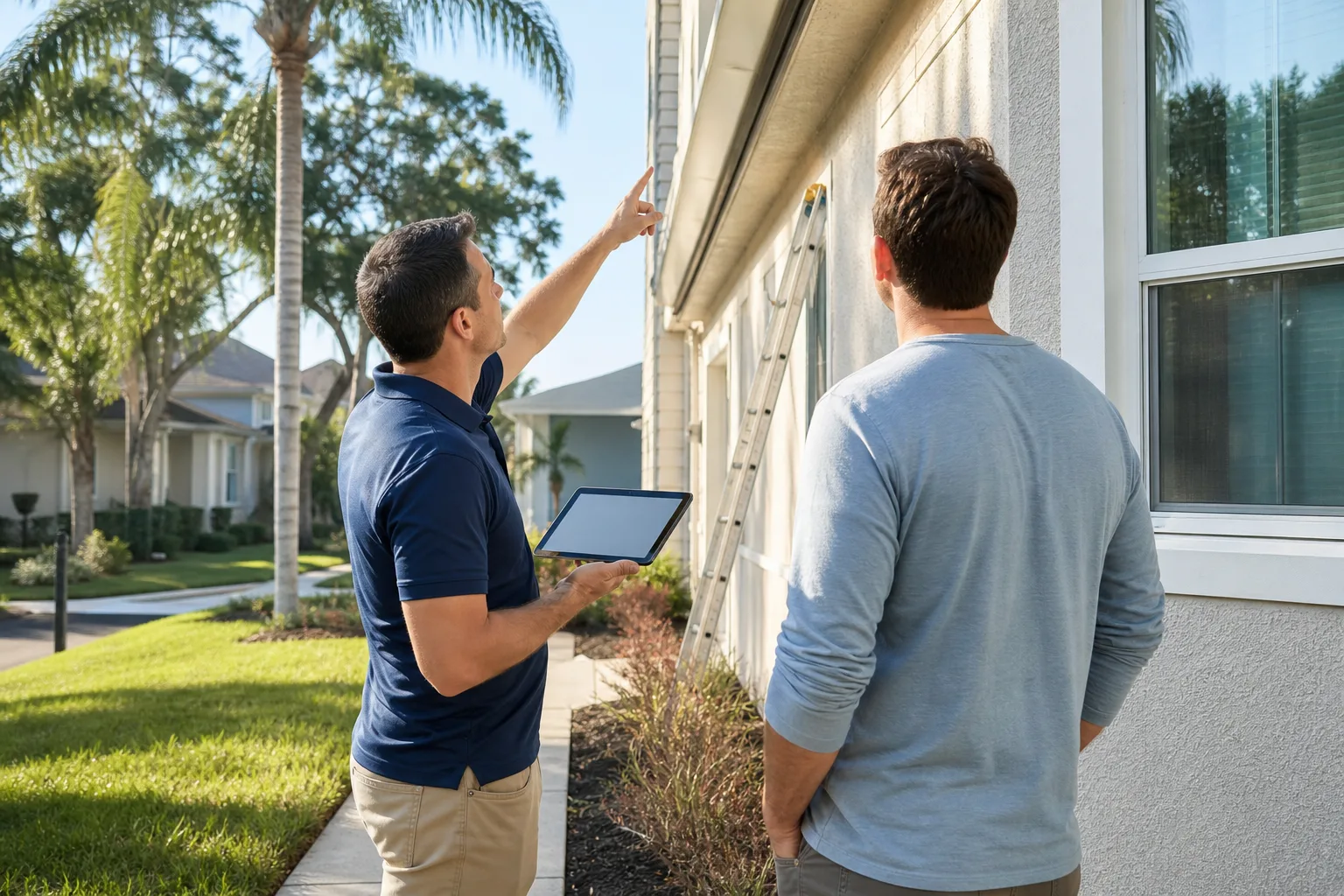
Walk your property three times a year, timed to the season that’s coming. Each walk takes under an hour and is done from the ground with binoculars for the roof. You’re looking, not climbing.
Before June (wind season)
- Check roof edges, ridge and hips from the ground for lifted, creased or missing shingle tabs and exposed fasteners.
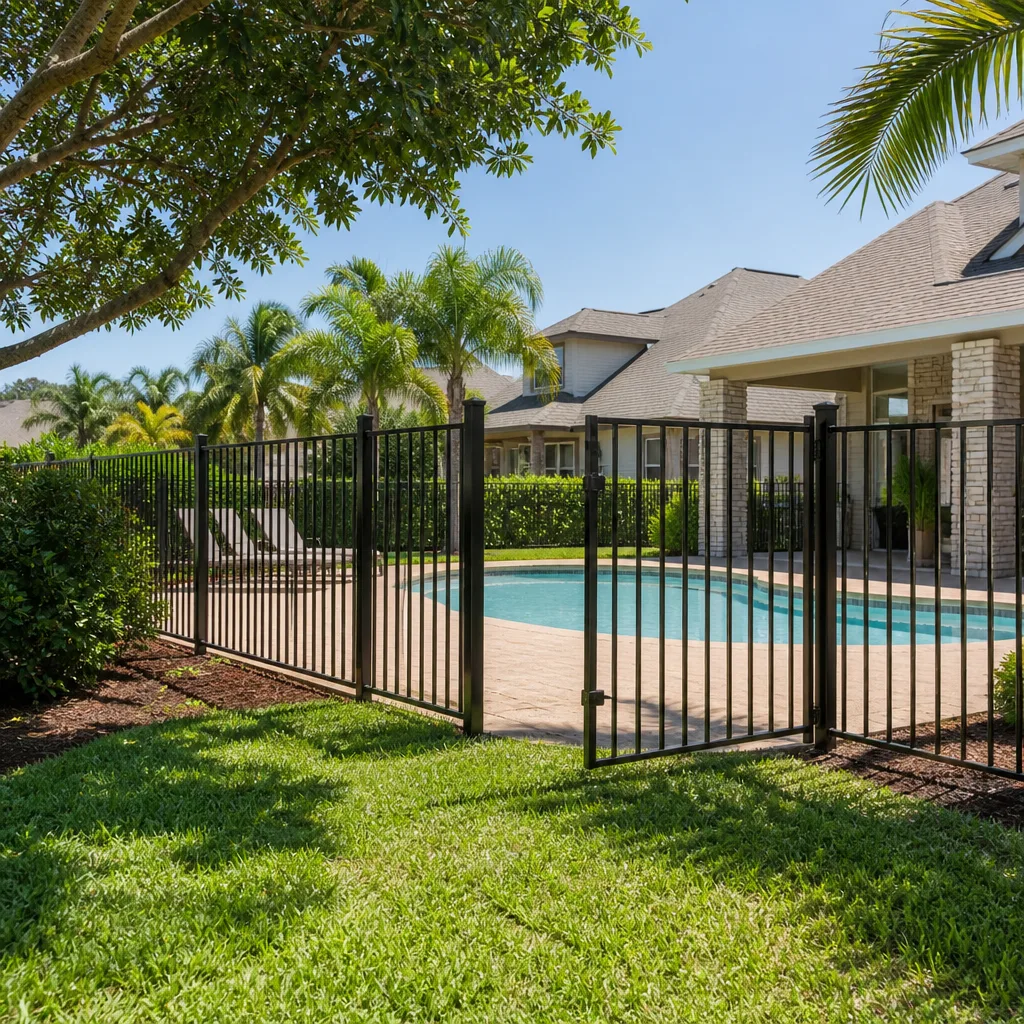
- Look at fence posts and panels for lean, loose rails and rot at the base – a fence that fails in wind becomes flying debris.
- Scan stucco around windows, doors and corners for new hairline cracks.
- Check patio covers, carports and shade structures for loose connections and missing fasteners.
- Confirm gutters and downspouts are fastened and clear.
Before August (monsoon season)
- Clear every roof drain, scupper and overflow on flat or low-slope sections – overflow scuppers are the safety valve that keeps standing water from loading the structure.
- Check the seal at every exterior door threshold and the joint where the garage slab meets the wall.
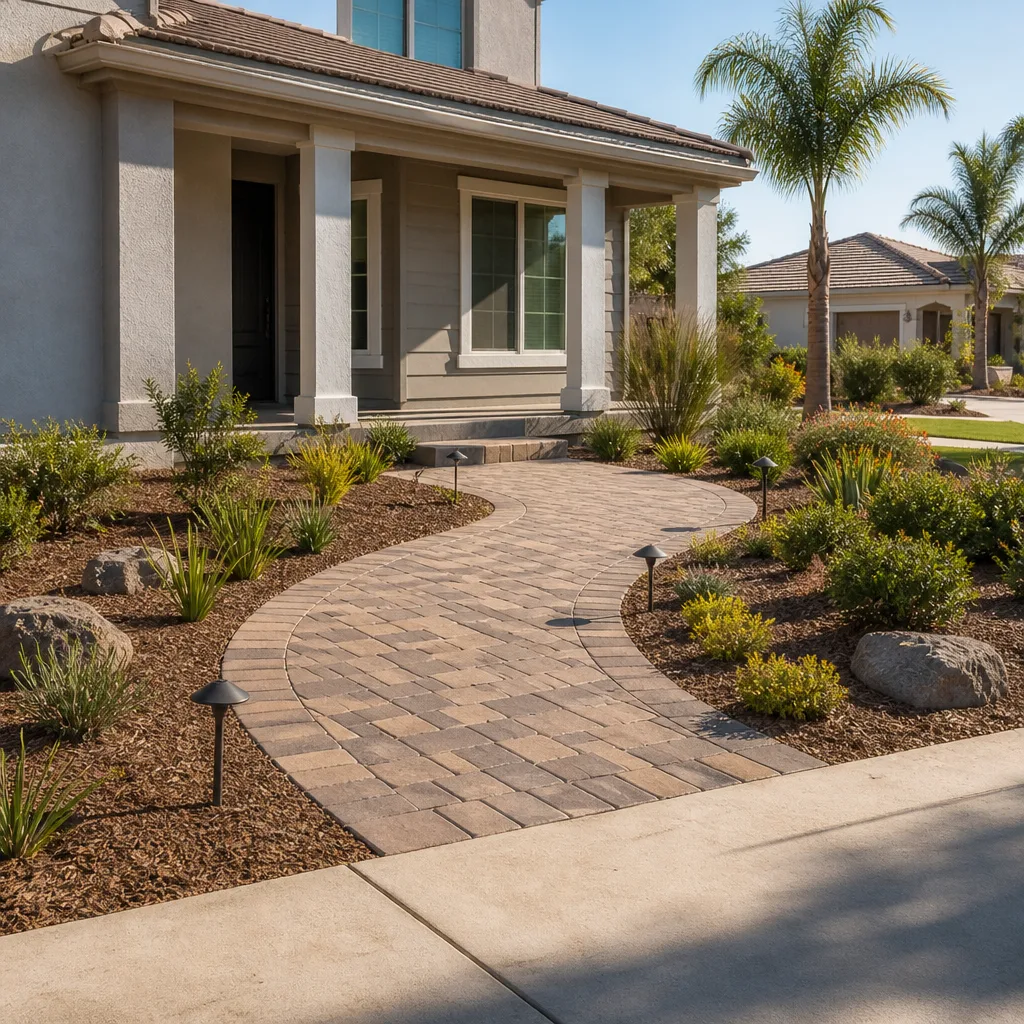
- Look at the driveway-to-wall and driveway-to-garage joints for gaps water can enter.
- Clear yard drains and confirm water drains away from the foundation, not toward it.
- Inspect the pool equipment pad for drainage, debris and any sign of water at electrical components.
Before January (freeze season)
- Locate and insulate exterior hose bibs and any exposed pipe runs.
- Identify water lines in exterior walls and unheated garages and check their insulation.
- Know where your main water shutoff is, and test that it turns.
- Check weatherstripping and seals on exterior doors and garage doors to keep cold air out of pipe zones.
If your inspection turns up roofing or stucco issues you can’t assess safely from the ground, that’s a professional inspection – not a reason to get on the roof. If you’re planning larger work like a new roof or a rebuilt fence installation, do it in the shoulder season so you’re not racing a storm.
Emergency Triage: What Needs a Professional Now vs. What You Can Stabilize
Not every bit of damage is a call-now emergency. Sorting damage into two buckets – professional intervention now, or safe homeowner stabilization for up to 72 hours – keeps a small problem from becoming a big one without putting anyone in danger.
Call a professional immediately
- Any standing water against the house, on a flat roof, or inside a wall or ceiling.
- Roof damage where shingles or membrane are lifted, missing or exposing the deck.
- Any water at or near electrical panels, outlets, pool equipment or wiring.
- Stucco cracks that are letting water behind the cladding, or sagging soffit or fascia.
- A suspected burst pipe – shut off the main first, then call.
- Any structural movement, sagging or cracking in framing, ceilings or walls.
Safe to stabilize yourself for 72 hours
- Debris removal from drains, scuppers and yard drains – from the ground only.
- Moving furniture and belongings away from wet areas and putting down towels or a wet-vac on a small, contained spill.
- Closing and sealing a door threshold or slab joint with a temporary barrier to keep more water out.
- Photographing everything before you touch it (see the next section).
- Turning off water at the main if you suspect a leak.
The line between them is safety. Never get on a roof, never open a wall to “check,” and never touch anything electrical near water. If you’re unsure which bucket a problem falls in, treat it as the first bucket and call.
How to Document Construction Damage for Insurance
Adjusters work from evidence. The homeowner who hands over a clean, sequenced record of damage gets a smoother claim than the one who describes it from memory. Document in this order:
- Wide shots first. Photograph each affected area from a distance so the adjuster can see where it is on the house.
- Mid-range context. Move closer but keep surrounding features in frame – the window, the door, the corner – so the location is undeniable.
- Close-ups with scale. Photograph the damage itself, then place a tape measure or a coin in frame to show size. Measure cracks, gaps and water lines and write the numbers down with dates.
- Photograph the cause evidence. Clogged drains, debris, failed fasteners, a burst pipe – show what failed, not just what got wet.
- Record everything before cleanup. Once you pull soaked materials or clear debris, that evidence is gone. Photograph and measure first, stabilize second.
- Keep a written log. Dates, times, what you observed, what you did and who you called. Adjusters value a contemporaneous record.
What adjusters look for on exterior claims is consistency: does the damage match the event, does the location line up, and is there evidence of the failure mechanism. Undocumented damage is the most common reason a claim gets shorted. When we assess a property, we document the same way, and we can work with your insurer on the scope.
Pre-Selecting an Emergency Contractor Before You Need One
After a storm, everyone is calling at once. The homeowners who get prompt, quality help are the ones who lined it up beforehand. What to have in your phone before the season, not after:
- A contractor whose scope covers the damage types you’re exposed to. Storm damage rarely stays in one trade – a wind event hits roofing, stucco and fencing; a flood hits thresholds, drywall and flooring. One contractor who handles the full envelope saves you coordinating several trades under pressure.
- A written estimate process. Confirm in advance that they provide free estimates and written, line-item quotes.
- Licensing and insurance. Ask for proof of licensure and insurance before you ever need them.
- Material knowledge. A contractor who specifies name brands in advance is prepared. This is the single-source model we run on – we specify the brand before the crew arrives, whether that’s a roofing system or a driveway & pavers repair after flood damage.
- A documented contact. Write the number and the process down where you’ll find it in the dark.
What happens when you call
Call (833) 734-2032. We answer 24/7. Fast dispatch from 7am to 7pm, Sunday through Friday. A call outside dispatch hours is booked into the next opening. When we come out, we document, we triage, and we give you a free written estimate before any work begins.
What a Homeowner Can Safely Do in the First 72 Hours
Between the event and professional help, a few safe actions limit secondary damage. None of them involve heights, opening walls or touching anything electrical.
- Shut off water at the main if you see or suspect a leak or burst pipe.
- Keep water moving away from the house. Clear ground-level drains and scuppers from the ground, and direct runoff away from the foundation.
- Contain interior water. Move belongings off wet floors and use towels or a wet-vac on small spills. Don’t run household fans into a wall cavity.
- Stop more water from entering. A temporary barrier at a threshold or slab joint buys time.
- Document as you go, following the sequence above, before you clean anything up.
- Keep the area clear so a technician can assess quickly when they arrive.
If you’re facing a larger repair like a new addition or a rebuilt structure after damage, the same discipline applies on the rebuild side. home additions & ADU work here benefits from the same pre-planning approach, choosing materials and scopes up front rather than reacting.
Common Mistakes to Avoid
- Wait until the season to inspect. North Las Vegas wind, monsoon and freeze hazards each arrive fast. Inspecting before the season gives you time to fix a small issue before it’s tested.
- Treat stucco hairline cracks as cosmetic. After a haboob, those cracks are the way water gets behind the cladding in the next storm. Inspect and seal them before August.
- Ignore flat-roof drains and overflow scuppers. They’re the difference between standing water that drains and standing water that loads the structure. Clear them every monsoon season.
- Get on the roof to check damage. Wind-damaged roofing and heights are a dangerous combination. Inspect from the ground with binoculars and leave the roof to a professional.
- Clean up before you document. Once you clear soaked materials or debris, the adjuster has nothing to see. Photograph and measure first.
- Forget January freeze prep. It’s the easiest hazard to ignore and the one that quietly bursts exterior-wall pipes. Insulate hooks and bibs and know your shutoff before the freeze.
- Shopping for a contractor mid-storm. Everyone is calling at once. Vet your contractor and save the number before you need it.
When to Call a Professional
Call us when water is against the house or inside a wall, when roofing or membrane is lifted or missing, or when anything near electrical equipment is wet. Call when a pipe has burst or you suspect one, and call for any structural movement, sagging or cracking you can’t explain. Call after a haboob if you see new stucco cracks that go deep, and call when a flood has reached your door thresholds or garage slab. North Las Vegas Construction offers free estimates in North Las Vegas – call (833) 734-2032. We answer 24/7, with fast dispatch from 7am to 7pm, Sunday through Friday. We document, triage and quote in writing before work starts, and we can work with your insurer on the scope. Our technicians have up to 11 years of experience assessing storm and water damage across roofing, stucco, doors and the full exterior envelope.
Frequently Asked Questions
The five we see most are wind uplift on roofing, flash flood intrusion at door thresholds and garage slabs, freeze pipe bursts in exterior walls, haboob-driven stucco cracking, and pool equipment pad damage. Each one ties to a specific season – wind in spring, flood in the August monsoon, freeze in January – which makes them preventable with pre-season inspections.
You can safely stabilize debris removal from ground-level drains, contained interior spills, moving belongings and temporary barriers at thresholds for up to 72 hours. Anything involving standing water against the house, roof damage, water near electrical equipment, a suspected burst pipe or structural movement needs a professional immediately. If you’re unsure, call – estimates are free.
Photograph each area in a sequence: wide shots first, then mid-range context, then close-ups with a tape measure for scale, and photograph the cause evidence like a clogged drain or failed fastener. Record everything before cleanup, keep a dated written log, and measure cracks and water lines. It’s the single most reliable way to support a claim.
Yes. We cover the full exterior envelope – roofing, windows and doors, stucco, fencing and hardscape – under one contractor relationship, so a storm that hits multiple systems doesn’t mean coordinating several trades. We specify the brand before the crew arrives, using roofing systems from manufacturers like Owens Corning, IKO and Atlas. Call (833) 734-2032 for a free estimate.
We can work with your insurer on the scope of a claim. We document damage the same way an adjuster reads it – cause evidence, locations and measurements – and we provide a written, line-item estimate before any work begins. Call (833) 734-2032 to schedule an assessment.
Have a vetted contractor’s number saved, proof of their licensing and insurance, and a clear note of your main water shutoff location. Do the pre-June, pre-August and pre-January inspection walks listed in this guide, and keep a camera and tape measure handy for documentation. Preparation is a few hours spread across the year.
The Bottom Line
Construction emergencies in North Las Vegas follow a predictable calendar – wind in spring, monsoon flood in late summer, freeze in January – and each hazard attacks a different part of your home. The homeowners who recover fastest inspect their vulnerable points before the season, sort damage into call-now versus safe-to-stabilize, document in a clean photo sequence, and already have a vetted contractor in their phone. None of that requires a purchase; it requires a plan. At North Las Vegas Construction we specify the brand before the crew arrives, cover the full envelope under one contractor relationship, and quote every job in writing. Call (833) 734-2032 for a free estimate. We answer 24/7, with fast dispatch from 7am to 7pm, Sunday through Friday.
Written by the team at North Las Vegas Construction.
See the difference
 Before
 After
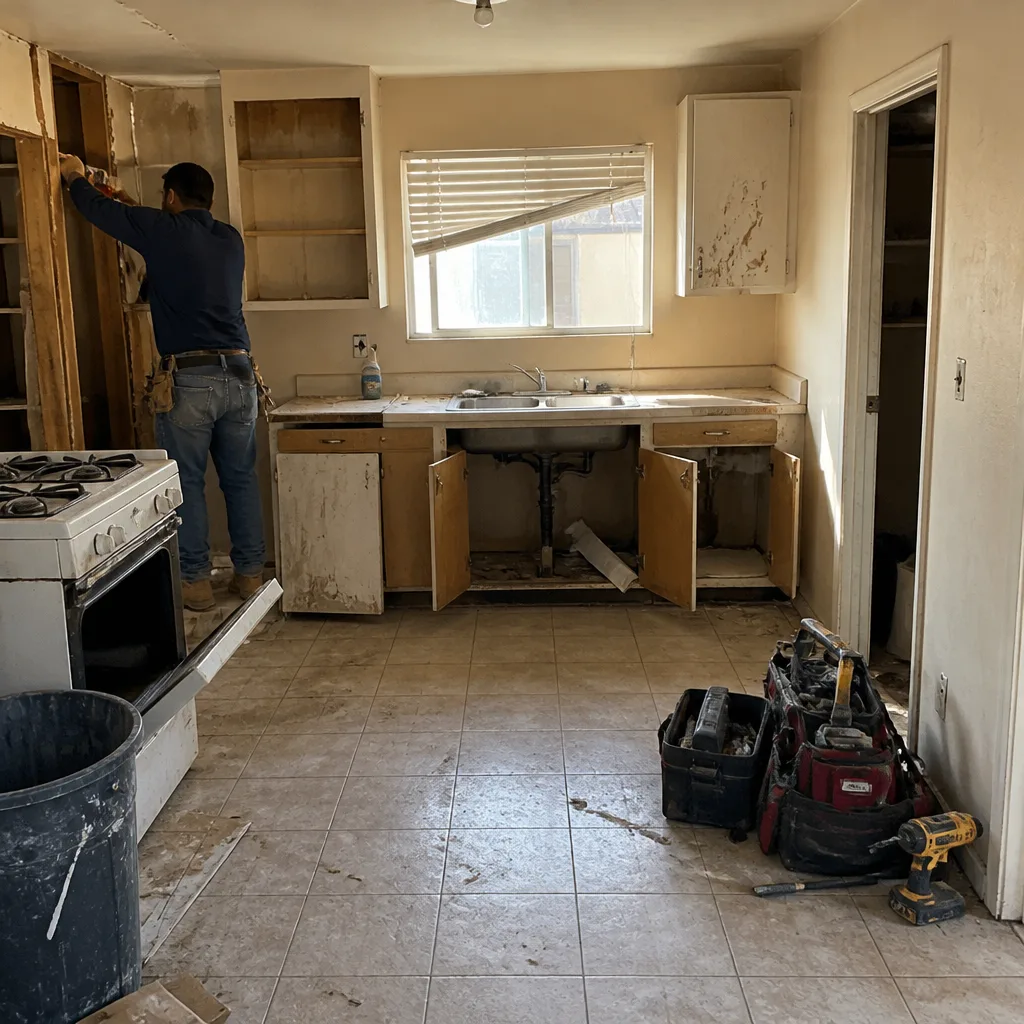 Before
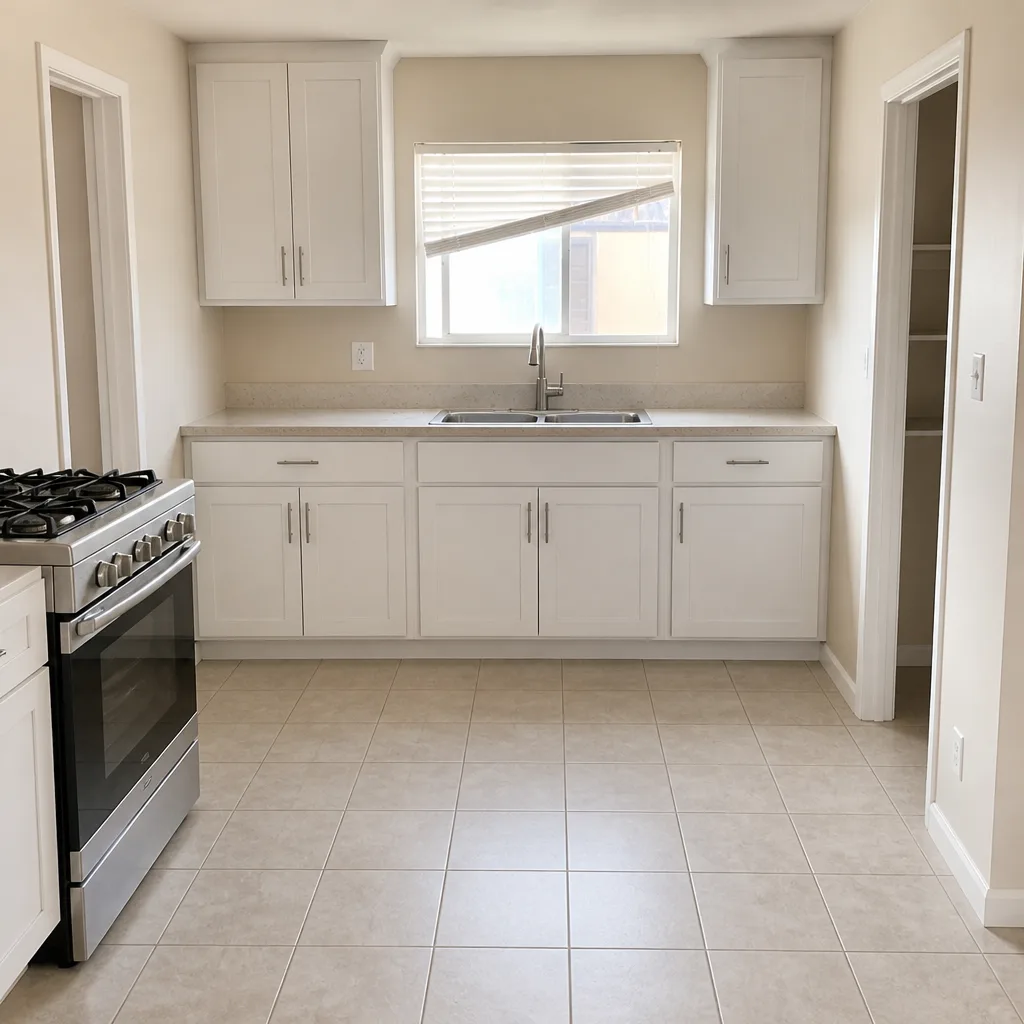 After
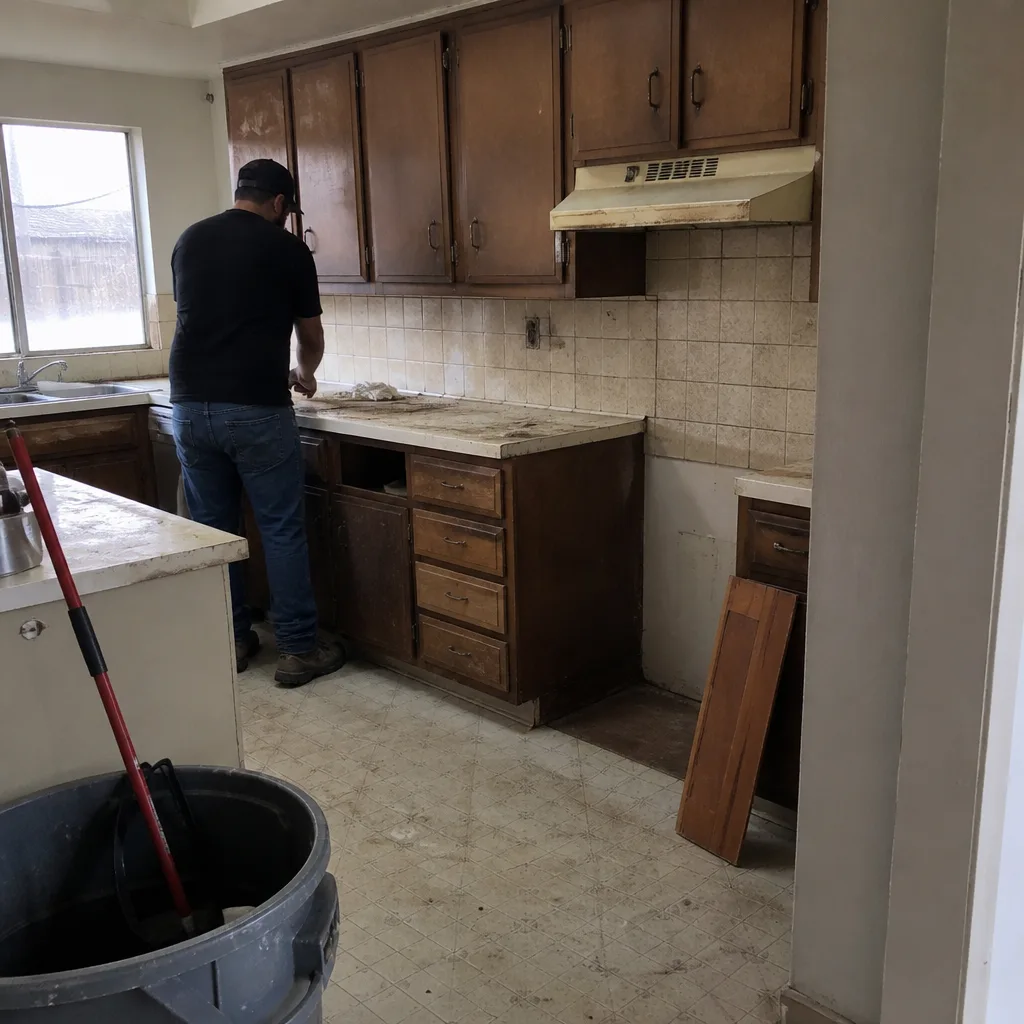 Before
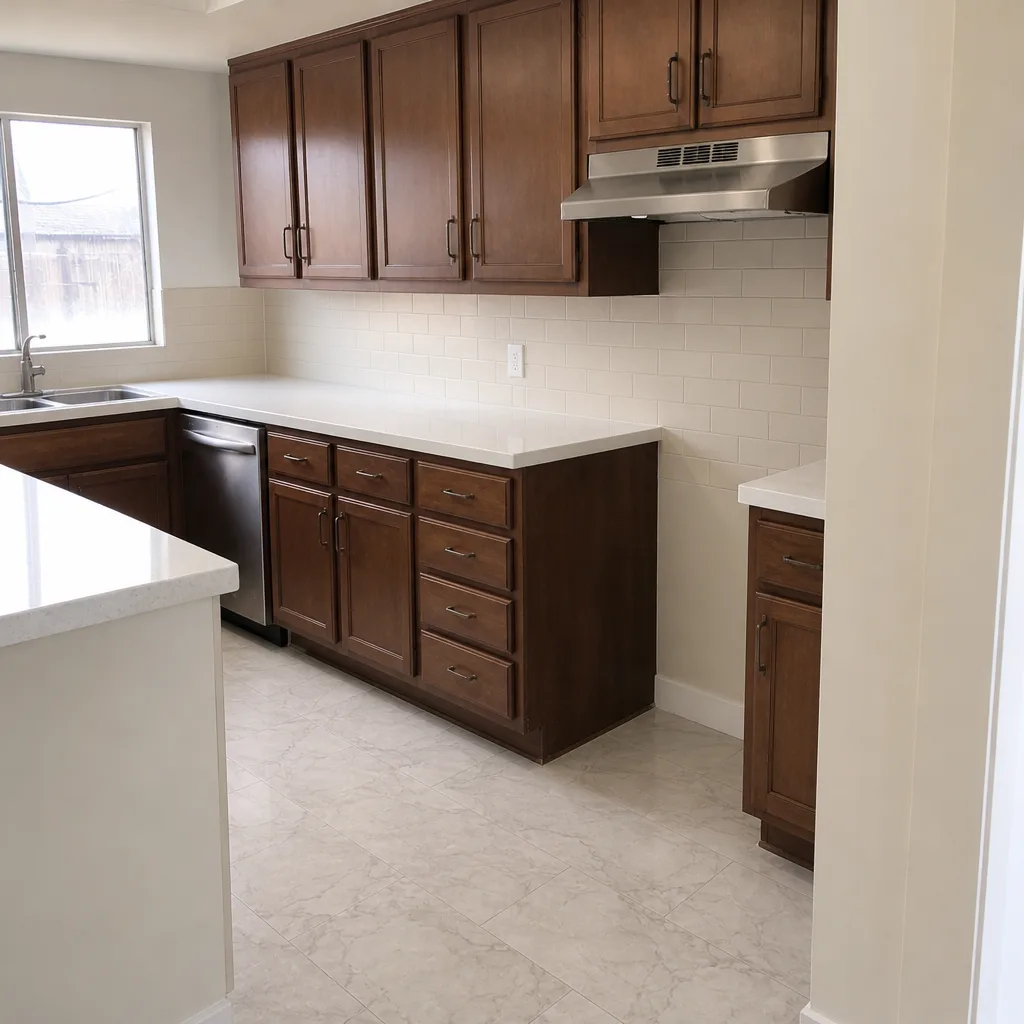 After