Last updated November 18, 2026
Free written scope consultation - allowances, timeline, and change-order rules on paper before a single trade is scheduled
DIY vs Professional Construction: The North Las Vegas Homeowner’s Decision Guide
A homeowner in Nevada can legally shingle their own roof without holding a contractor’s license. What they can’t do is buy into the manufacturer programs that make a roof last. GAF, Owens Corning, and most other major shingle makers tie their best warranties to certified installer networks, and a homeowner-installed roof doesn’t qualify no matter how carefully it goes down. That gap between what’s legal and what’s smart is where most do-it-yourself construction decisions in North Las Vegas go wrong. This guide walks through the permit rules, the material access problems, and the climate conditions that decide which projects belong in your hands and which belong with a licensed contractor.
Quick Answer
In North Las Vegas, DIY makes sense for cosmetic interior work like tile, paint, and trim, where no permit is required and no manufacturer warranty depends on a certified installer. It does not make sense for driveways, roofs, fences, kitchen cabinet systems, or ADUs, where permit authority, compaction and flashing standards, and brand warranty terms all require a licensed professional. The deciding factor usually isn’t your skill level. It’s whether the project carries permit obligations or material warranties you’d void by doing it yourself.
Styles & brands we work with
- Kitchen remodeling
- Bathroom remodeling
- Home additions & ADU
- Roofing
- Windows & doors
- Driveway & pavers
- Fence
Table of Contents
- What Nevada’s Owner-Builder Permit Rule Actually Allows
- The Project-by-Project Decision Matrix
- Where DIY Savings Evaporate in the North Las Vegas Climate
- Brand Warranties That Require Professional Installation
- How to Verify a Contractor’s Certification Before You Hire
- The Hybrid Model: Cutting Labor Costs Without Voiding Warranties
- What Self-Permitted Work Means at Resale
- Common Mistakes to Avoid
What Nevada’s Owner-Builder Permit Rule Actually Allows
Nevada allows a homeowner to pull permits as an owner-builder on property they own and occupy, which is what makes legal DIY construction possible in the first place. The rule exists so people can improve their own homes without hiring a licensed contractor for every task. It does not hand you unlimited authority.
Three limits matter most for homeowners in North Las Vegas:
- Owner-occupancy. Owner-builder permits apply to a residence you live in. A rental property or a spec project doesn’t qualify the same way, and pulling a permit under false occupancy is a problem that surfaces later.
- Frequency. Nevada restricts how often a homeowner can use the owner-builder exemption on the same property. It isn’t a renewable resource you can draw on for every project over the years.
- Scope. Structural work, electrical, plumbing, and gas still require licensed trades in most cases, even when the homeowner holds the general permit. You can be the owner-builder on paper and still need to hire licensed subcontractors for the systems work.
What this means practically: the owner-builder route is real, but it’s narrower than most people assume. Before you commit to it on a North Las Vegas project, call the city’s building department and describe the exact scope. Ask which portions you can self-perform and which require a licensed trade. That one call prevents the most common and expensive mistake in this category, which is starting work under an owner-builder permit and discovering halfway through that the inspection will fail because a licensed trade was required.
The Project-by-Project Decision Matrix
Six project types cover most of what North Las Vegas homeowners ask us about. Here’s how each one lands, and why.
Driveway and Paver Work: Professional
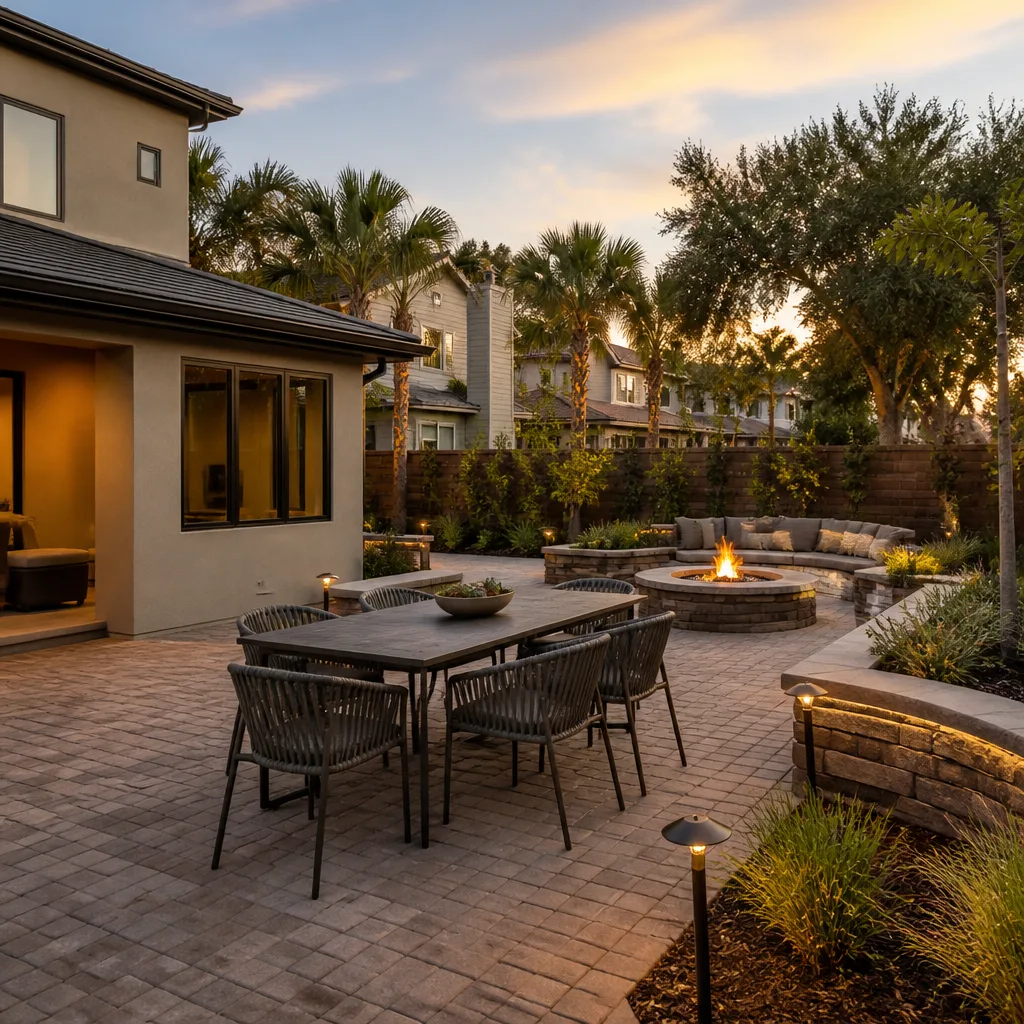
A driveway looks like stacking stones on dirt. It isn’t. Base compaction is the whole ballgame, and in North Las Vegas’s soil and heat, an under-compacted base fails within a couple of seasons. The pavers themselves are fine. The failure happens underneath, invisibly, until the surface starts heaving and shifting. Designer hardscape systems from Belgard and Techo-Bloc also carry installation specifications, and a homeowner-installed driveway won’t meet them. See our driveway & pavers page for the full scope.
Interior Tile and Paint: DIY-Feasible
Tile and paint are the clearest DIY wins in a North Las Vegas home. No permit, no manufacturer warranty at stake, and mistakes are cosmetic rather than structural. A careful homeowner can tile a backsplash or paint a room and come out ahead on cost. The one exception is bathroom tile around a shower, where waterproofing failure causes damage that goes far beyond the tile itself. That’s covered below.
Fence Installation: Professional
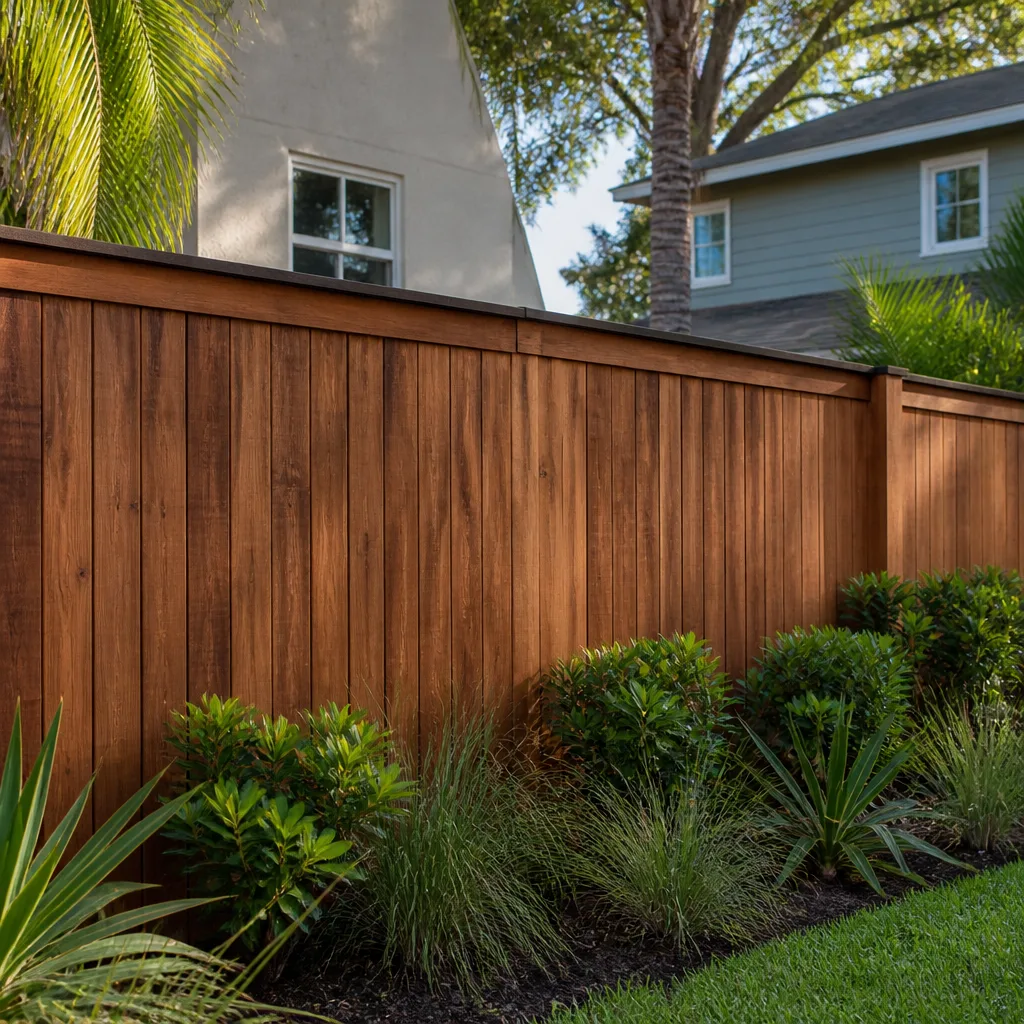
Fence installation looks like a weekend job and behaves like a foundation job. Post depth, concrete footing, wind load, and property line accuracy all matter, and North Las Vegas’s HOA and setback rules add another layer. A fence that’s three inches onto a neighbor’s property is a legal problem, not a cosmetic one. Our fence installation page covers the permitting and setback issues specific to this city.
Kitchen Cabinet Installation: Professional
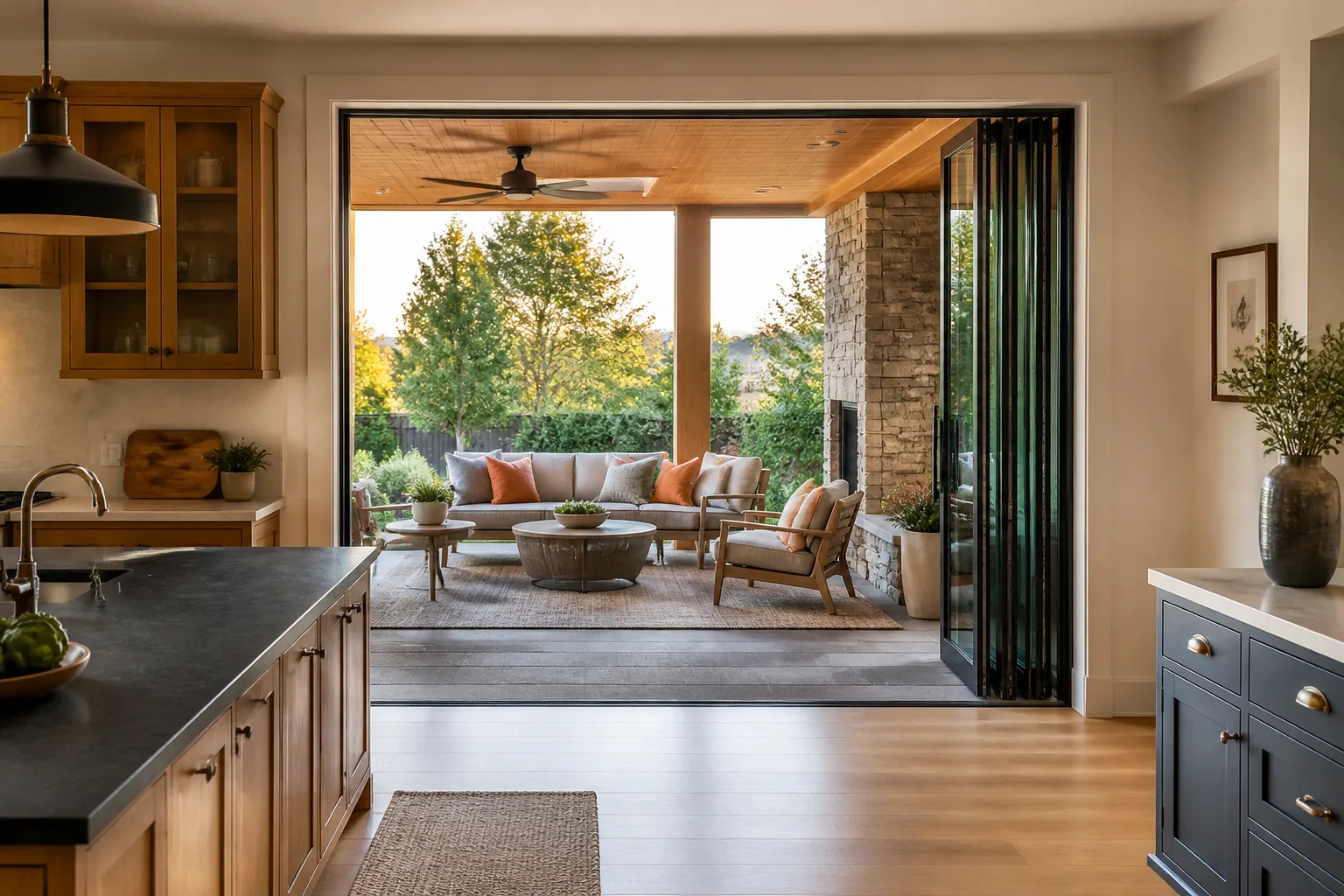
Cabinet boxes are heavy, the walls in most North Las Vegas homes aren’t perfectly plumb, and the difference between a cabinet run that closes cleanly and one that doesn’t is measured in fractions of an inch. KraftMaid and similar cabinet lines also rely on professional installation for their warranty coverage. This is the project where the gap between DIY and professional is largest relative to how easy it looks.
Roofing: Professional
This is the sharpest line in the guide. Roofing in North Las Vegas means extreme heat cycling, intense UV, and dust that gets into every unsealed seam. Improperly installed flashing is the number one cause of roof leaks, and flashing details are where amateur installations consistently fail. Add the manufacturer warranty problem below and roofing lands firmly in professional territory.
ADU Construction: Professional, No Question
An accessory dwelling unit is a full structure with foundations, utilities, and occupancy requirements. There is no legitimate DIY path. What does vary is the construction method. Prefab and modular ADU options from Abodu, Dvele, Boxabl, Mighty Buildings, and Plant Prefab can shorten timelines and control costs compared to site-built construction. Our home additions & ADU page explains the differences.
Where DIY Savings Evaporate in the North Las Vegas Climate
North Las Vegas is hard on construction in ways that don’t show up until a project is a year or two old. Three failure modes swallow the labor savings from a DIY project faster than any other. The summer heat, the shallow desert soil, and the windblown dust all do their part.
Flashing. Roof flashing is metal that seals the joints where the roof meets walls, chimneys, and vents. Installed correctly, it moves with the roof as temperature swings. Installed badly, it opens a gap within a season, and the leak shows up inside the house long after. Extreme heat cycling accelerates this. A flashing detail that survives a mild climate can fail here in half the time.
Driveway base compaction. The base under a driveway needs to be compacted in lifts, in layers, to a specified density. Skip that, or compact it unevenly, and the desert soil moves under the pavers as moisture and heat work on it. The pavers stay flat for a while. Then they don’t. Correcting an under-compacted base means pulling up everything and starting over, which costs more than hiring the job done correctly the first time.
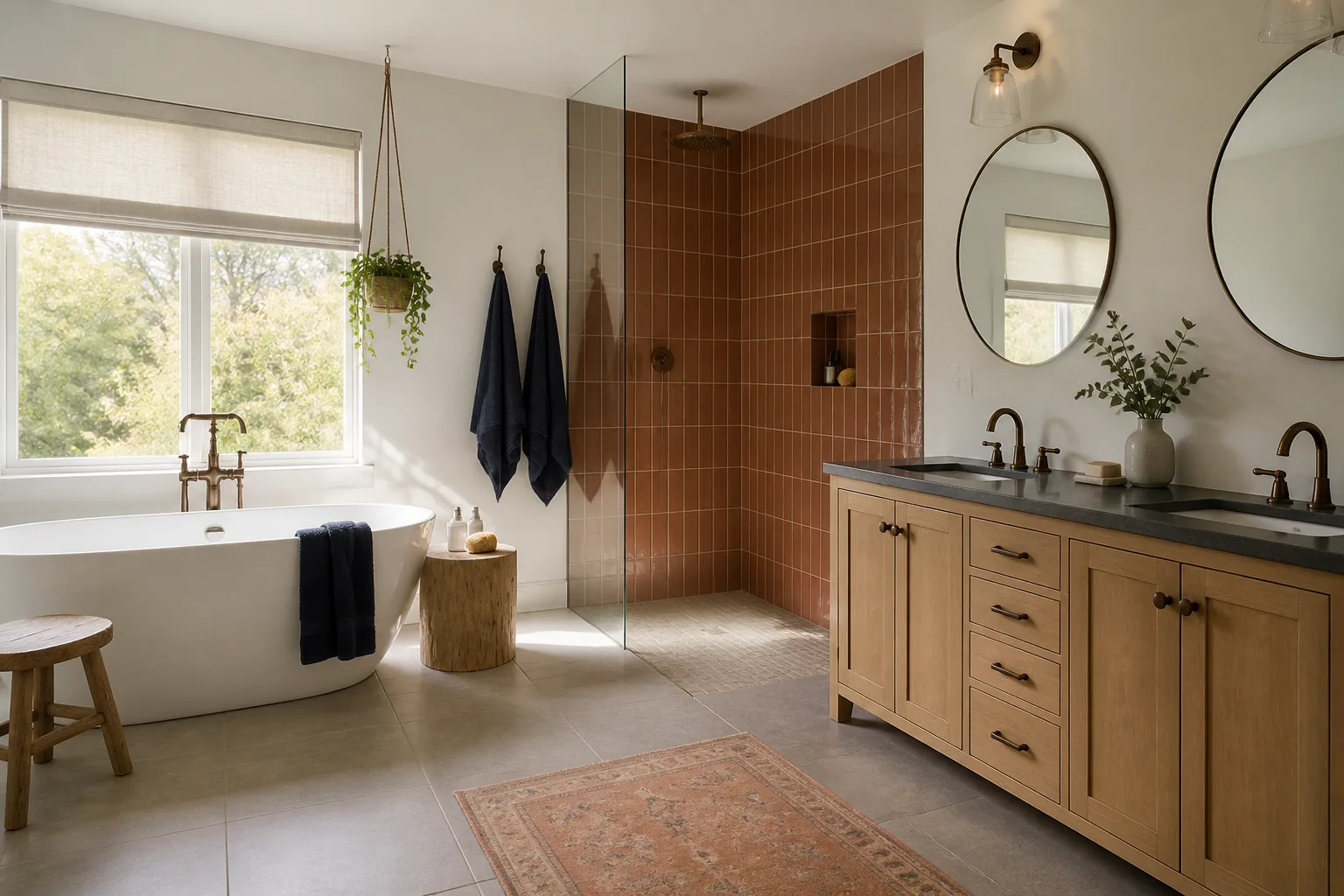
Unsealed grout in bathrooms. Grout is porous. In a dry climate it seems fine, which is the trap. The damage comes from water getting behind the tile during use, not from the air. Unsealed grout and improper shower waterproofing let moisture into the wall cavity, and in a North Las Vegas home with its temperature swings, that leads to mold and structural damage before you notice the tile moving. Bathroom waterproofing is a professional task for this reason.
The pattern is consistent: DIY construction in North Las Vegas fails in the parts you can’t see. The visible surface usually looks fine. The failure happens in the layers underneath, and it happens on the desert’s schedule, not yours.
Brand Warranties That Require Professional Installation
Most homeowners don’t realize how much of a product’s value lives in the installation warranty rather than the product itself. When you buy a name-brand building material, you’re buying into a warranty program. Many of those programs require a certified installer on record.
- Roofing. GAF, Owens Corning, CertainTeed, Atlas, Tamko, and IKO all tie their strongest warranty coverage to professional or certified installation. A homeowner-installed roof may get a basic material warranty but misses the enhanced coverage. The product is identical. The protection isn’t.
- Cabinetry. KraftMaid and comparable cabinet lines specify professional installation for their warranty terms to apply.
- Countertops. Cambria, Silestone, and Caesarstone engineered surfaces carry manufacturer warranties that depend on fabrication and installation by approved professionals.
- Windows and doors. Therma-Tru and similar brands set installation standards that a homeowner-fitted door often doesn’t meet, which affects both the warranty and performance.
- Fencing and hardscape. Belgard, Techo-Bloc, Unilock, and Cambridge Pavers publish installation specifications. Their warranty coverage depends on following them.
This is why the “buy the same materials and install them yourself” idea saves less than it appears to. You can buy a shingle. You can’t buy into the certified installer network as an individual. The real savings of a professional installation are partly in the labor and partly in the warranty coverage you keep. For a broader view of how material selection drives outcomes, see our North Las Vegas Construction overview.
How to Verify a Contractor’s Certification Before You Hire
A contractor who says they’re certified isn’t necessarily certified for the specific material going on your house. Roofers, for example, are often certified with one manufacturer and not another. Verifying takes about ten minutes and protects the warranty you’re paying for.
- Ask which manufacturer program they belong to, by name. “We use GAF” is not the same as “we’re a GAF-certified installer.” Get the program name.
- Check the manufacturer’s own website. GAF, Owens Corning, and the other major manufacturers list certified contractors in a searchable directory. Search the contractor by name before you sign anything.
- Ask for the certificate. A certified installer can produce documentation. If they can’t, ask again.
- Confirm what the certification covers. A contractor certified for shingles may not be certified for the full roofing system, which includes underlayment and ventilation.
- Ask what happens to the warranty if the work is done outside the certified program. A straight answer here tells you a lot about the contractor.
Run the same check for cabinetry, countertops, and pavers if those are part of your project. The certification question is the single most useful thing you can ask a contractor in North Las Vegas, because brand access is where the real quality gap lives.
The Hybrid Model: Cutting Labor Costs Without Voiding Warranties
You don’t have to choose between all-DIY and all-professional. Most of our North Las Vegas clients save real money by splitting a project along the right lines. The rule for splitting is simple: the homeowner handles what’s cosmetic, visible, and unregulated. The professional handles what’s structural, concealed, or warranty-bound.
A skilled homeowner can legitimately handle:
- Demolition and tear-out, as long as it’s non-structural and doesn’t involve gas, electrical, or plumbing lines.
- Painting, trim, and finish carpentry after the rough work is done.
- Floor tile and backsplash tile in dry areas.
- Landscaping and yard work around the construction footprint.
- Fixture and finish selections, which is often where a homeowner saves the most by knowing what to choose.
What stays with the licensed professional:
- Anything requiring a permit or an inspection.
- Shower waterproofing, moisture barriers, and anything behind a wall.
- Roofing, flashing, and ventilation.
- Base preparation and compaction for driveways and pavers.
- Fence post footings and structural installation.
- Cabinetry, countertops, and any product whose warranty depends on certified installation.
The hybrid model works because the warranty and permit obligations stay with the professional, while the labor hours that don’t carry either obligation stay with you. It’s the arrangement we recommend most often to homeowners in Aliante and the other growing residential pockets of North Las Vegas who want to stay involved in the project without putting its value at risk. The line is decided per project, not by how confident you feel.
What Self-Permitted Work Means at Resale
Unpermitted or self-permitted work surfaces at resale, and it surfaces as a problem. When you sell a house in North Las Vegas, the buyer’s inspection will flag work that was never permitted or built to code. The disclosure requirement means you’re obligated to tell buyers what you did yourself. It’s better to know this before you start than after the offer falls apart.
The practical consequences:
- Inspection findings. An inspector who sees structural changes without a permit history will flag them, and the buyer’s lender may require repairs before closing.
- Disclosure obligations. Nevada requires sellers to disclose known defects and unpermitted work. The owner-builder permit is public record, so the buyer can find out anyway.
- Valuation. Unpermitted work typically doesn’t add to the appraised value the way permitted work does. An ADU that was never properly permitted, for example, may not count toward value or financing.
- Retroactive permitting. Getting a project permitted after the fact is possible but often requires opening up walls or exposing structure, which costs far more than permitting it correctly the first time.
The reverse is also true. Permitted, inspected, professionally installed work is an asset at resale. A buyer who sees a GAF-certified roof with a transferable warranty, or a permitted ADU, pays for that. It’s a real part of the home’s value. In a North Las Vegas market where buyers are increasingly careful about the true condition of a home, documented, permitted work is worth more than work that merely looks finished.
Common Mistakes to Avoid
- Buying materials before checking warranty terms. Homeowners often buy the name-brand product and then discover the warranty requires a certified installer. Confirm the installation requirement before you spend anything on materials.
- Assuming an HOA permits what the city permits. North Las Vegas has active HOAs with their own rules on fence height, driveway materials, and color. City approval isn’t HOA approval, and getting it wrong can mean tearing out work that passed inspection.
- Skipping the building department call. The single cheapest step in any DIY project is calling the city to confirm scope and permit requirements. Skipping that call is how projects get started on the wrong legal footing.
- Under-compacting the driveway base. In this soil and heat, a poorly compacted base fails fast and invisibly. It’s the most common DIY driveway mistake and the most expensive to correct.
- Waterproofing a shower without a pro. Shower waterproofing failure in North Las Vegas’s dry climate goes unnoticed until the wall cavity is damaged. It’s a small cost to do correctly and a large one to redo.
- Installing a roof with the wrong flashing detail. Flashing is where roofs leak, and heat cycling here accelerates the failure. No amount of quality shingles makes up for bad flashing.
- Assuming the owner-builder exemption covers everything. The exemption is limited by occupancy, frequency, and scope. Structural, electrical, plumbing, and gas work still requires licensed trades in most cases, even under an owner-builder permit.
When to Call a Professional
Call a professional when the project touches a permit, a warranty, waterproofing, or base preparation. That covers roofs, driveways, fences, kitchen cabinets, bathrooms with showers, and anything structural. It also covers anything you’d have to disclose at resale without a paper trail. The projects where DIY is legitimately smart are cosmetic, unpermitted, and easy to correct: interior paint, dry-area tile, trim, and finish work. If you’re on the fence, the deciding question isn’t “can I do this?” but “if this fails in two years, will it fail visibly and cheaply, or invisibly and expensively?” In North Las Vegas, the invisible failures are the expensive ones. North Las Vegas Construction offers free estimates in North Las Vegas, we answer 24/7, and our technicians have up to 11 years of experience. Call (833) 734-2032 to schedule yours.
See the difference
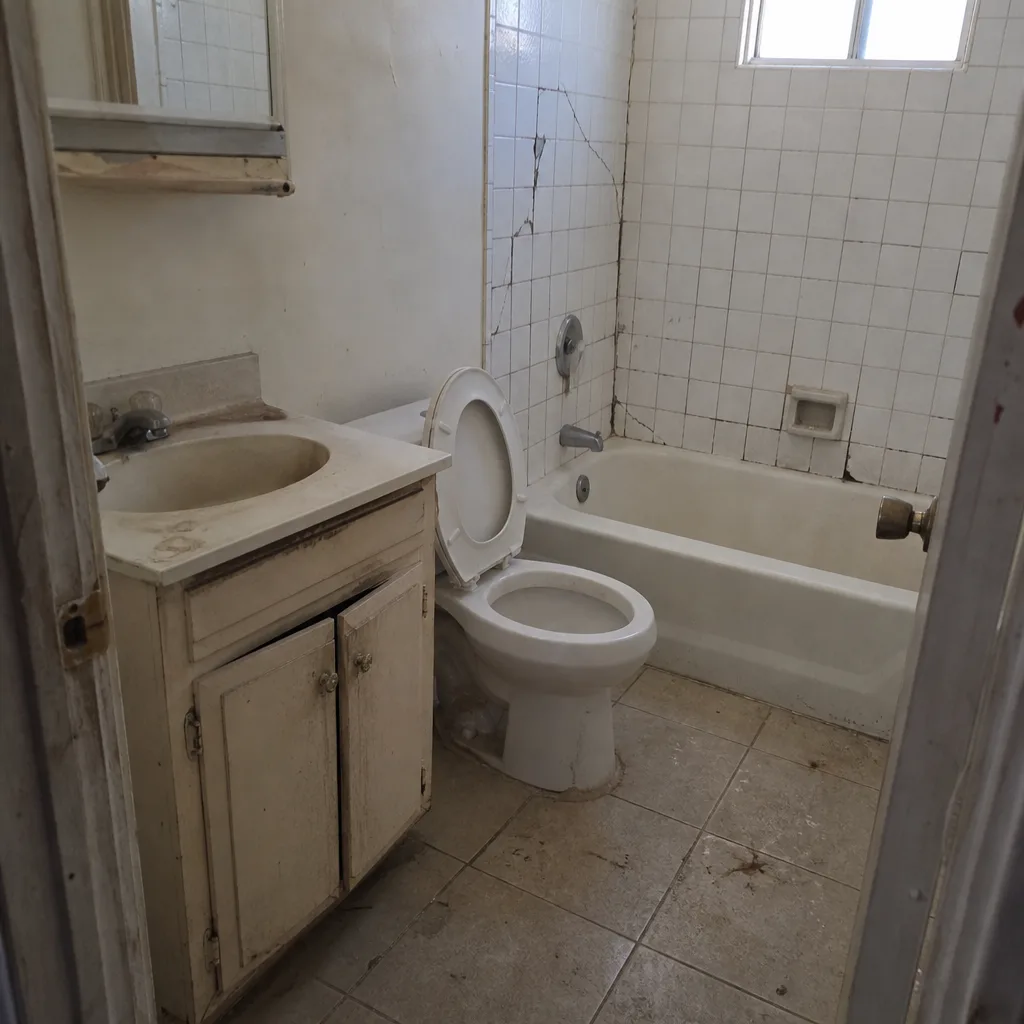 Before
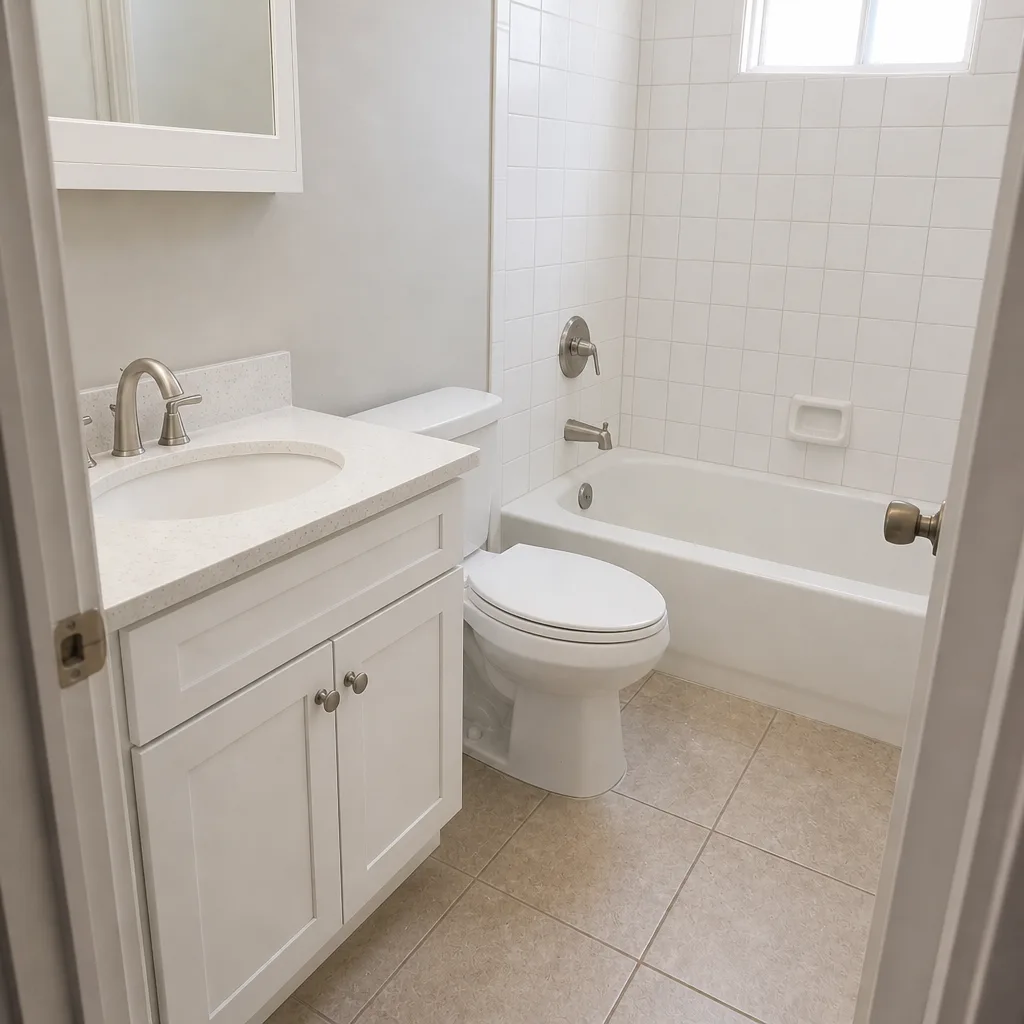 After
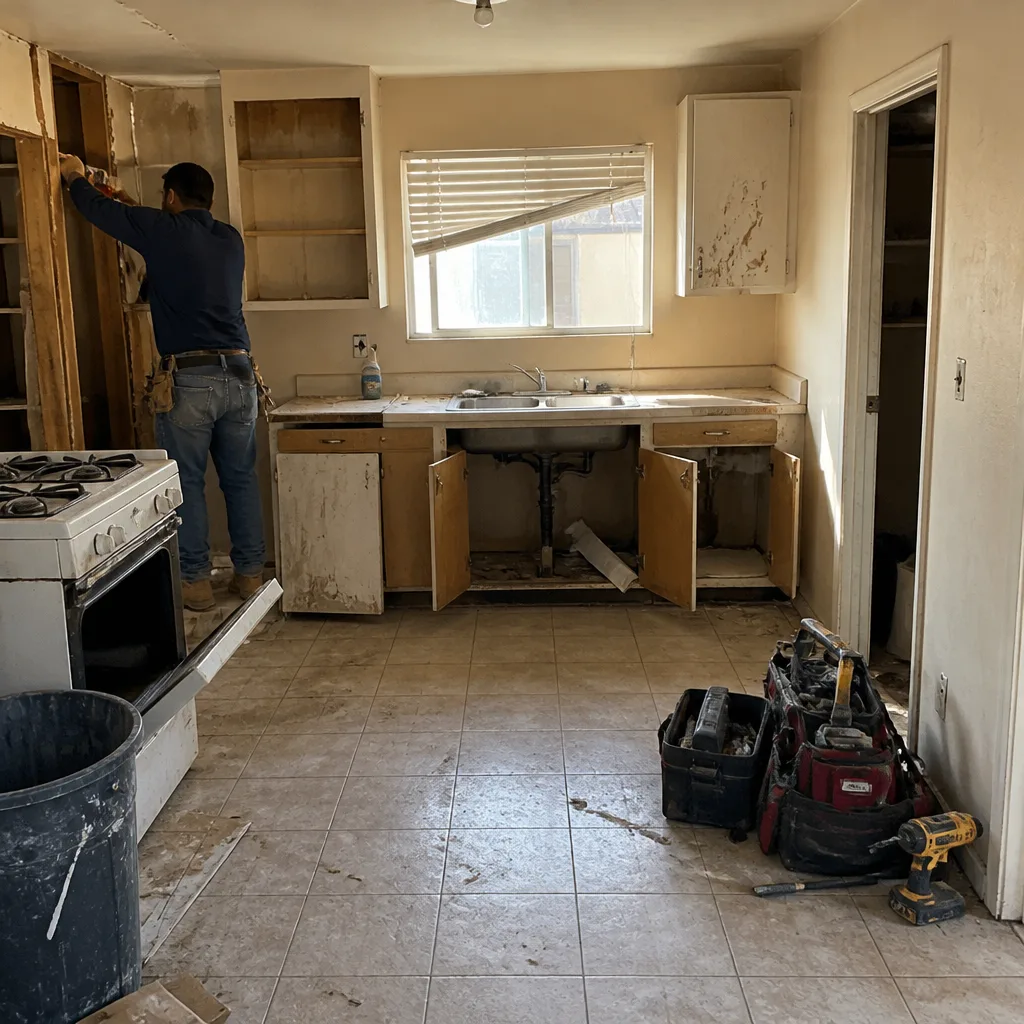 Before
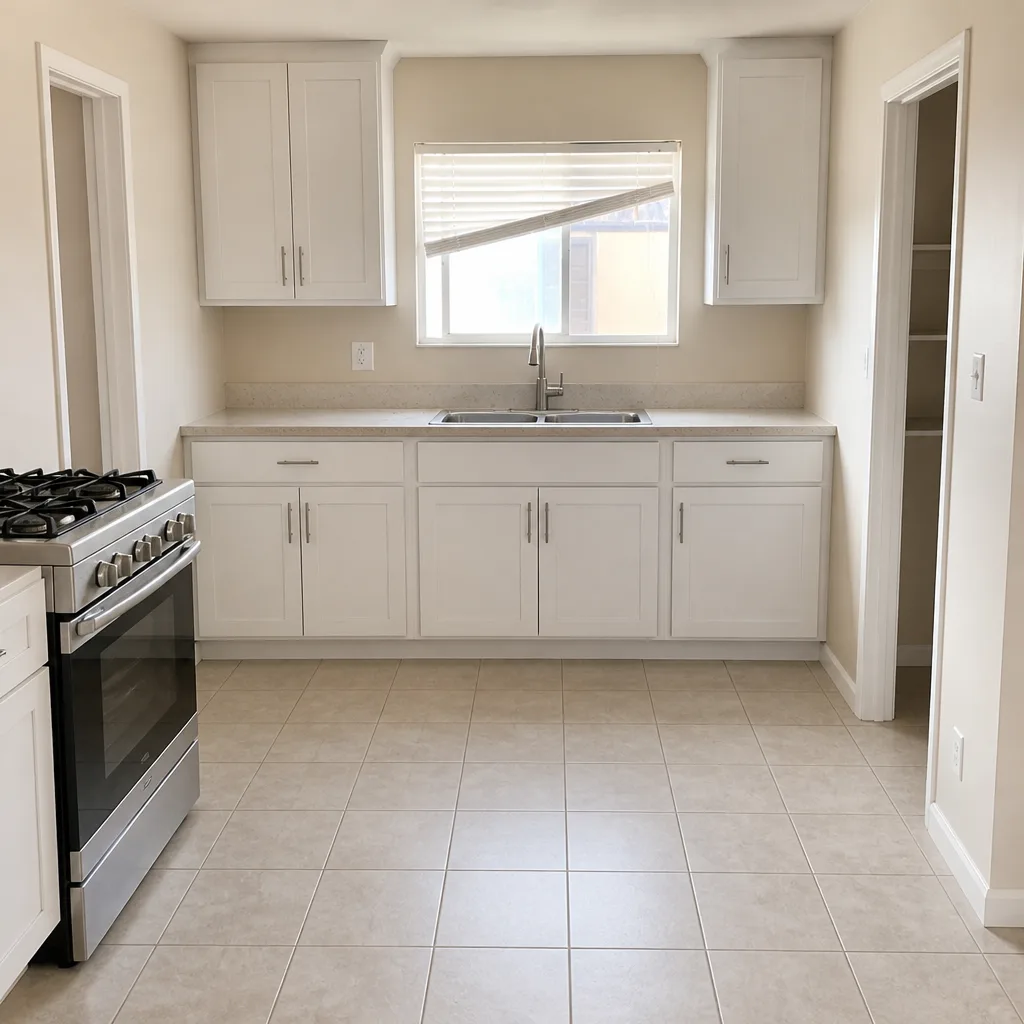 After
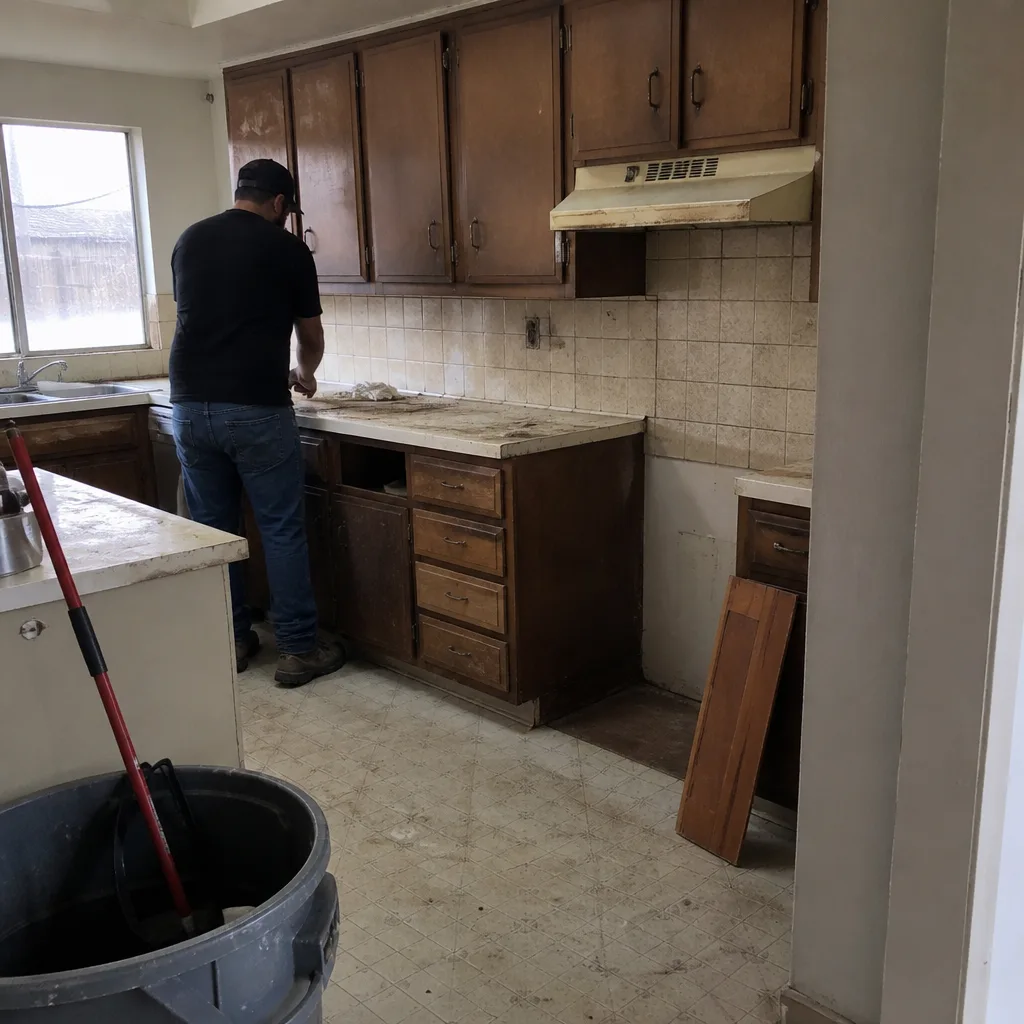 Before
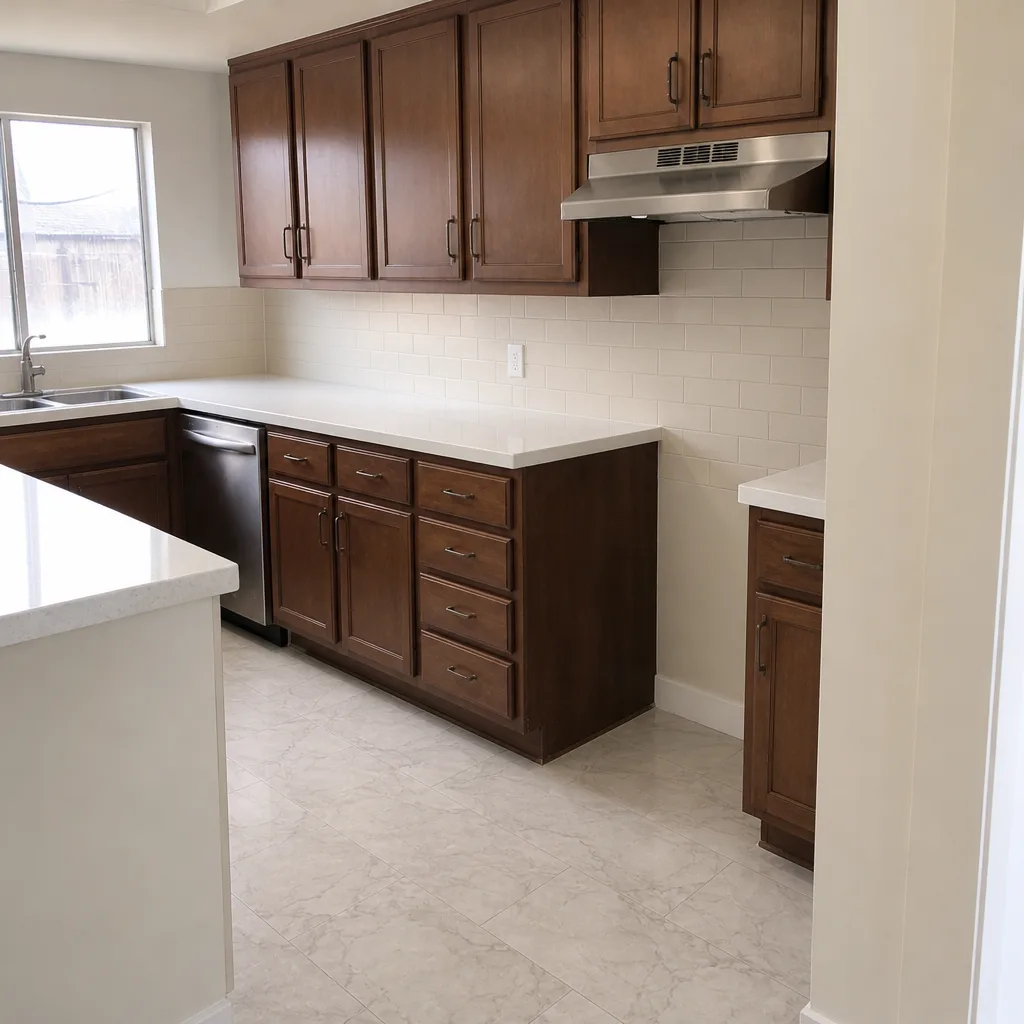 After
Frequently Asked Questions
Yes, for cosmetic and non-permitted work like paint, tile, and trim. Nevada’s owner-builder rule lets you permit certain projects on a home you occupy, but structural, electrical, plumbing, and gas work still requires licensed trades, and the exemption is limited by occupancy and frequency. Confirm your exact scope with the city’s building department before you start.
Yes, in most cases. GAF, Owens Corning, CertainTeed, Atlas, Tamko, and IKO all tie their strongest coverage to professional or certified installation. A homeowner-installed roof may keep a basic material warranty but loses the enhanced coverage that requires a certified installer on record. Call (833) 734-2032 for a free estimate if you want the warranty coverage intact.
Usually not once you account for base preparation and warranty terms. The material cost is similar, but the labor savings disappear when an under-compacted base fails and the whole driveway has to be redone. Designer systems from Belgard and Techo-Bloc also specify professional installation. We explain the full process on our driveway & pavers page.
Roofs, driveways and paver systems, fences, kitchen cabinet installations, bathroom waterproofing, ADUs, and anything structural or permitted. These all carry either permit obligations or manufacturer warranty requirements that depend on professional installation. Free estimates are available if you’re unsure where your project lands.
Yes, and it’s a common approach. The professional handles permitted, structural, and warranty-bound work; you handle demolition, paint, dry-area tile, and finish carpentry. This keeps the warranty and permit obligations with the licensed professional while cutting the labor hours that don’t carry either obligation. Call (833) 734-2032 to scope a hybrid project.
No. We’re closed Saturday. We’re open Sunday through Friday, 7am to 7pm, and we answer 24/7 for calls. A call outside dispatch hours is booked into the next opening, Sunday through Friday, 7am to 7pm.
Yes. Unpermitted work shows up in inspection and must be disclosed at resale, and it typically doesn’t add to appraised value the way permitted work does. Retroactive permitting often requires opening walls or exposing structure, which costs more than doing it correctly the first time. Permitted, inspected, professionally installed work is a genuine asset at resale.
The Bottom Line
The DIY-versus-hire decision in North Las Vegas comes down to two things most homeowners underestimate: permit authority and material access. The projects that pay off as DIY are cosmetic, unpermitted, and easy to fix. The projects that hurt as DIY carry permits, warranty requirements, or concealed work that fails invisibly in this climate. When you hire, verify the certification that protects the warranty, confirm the permit scope with the city, and split the project along the line between structural and cosmetic. Our team at North Las Vegas Construction works with 50+ name-brand product lines across seven trade categories, and we’re glad to walk through the right split for your project.
Call (833) 734-2032 for a free estimate. We answer 24/7. Fast dispatch from 7am to 7pm, Sunday through Friday. Closed Saturday.
Related Reading
Written by the team at North Las Vegas Construction.