Last updated November 18, 2026
Free written scope consultation - allowances, timeline, and change-order rules on paper before a single trade is scheduled
Construction Cost Breakdown: The North Las Vegas Homeowner’s Reference for 2026
Most homeowners in North Las Vegas budget their project using a national cost calculator, and most of them come up short. Not by a little. By 15 to 25 percent. The reason is rarely the materials. It’s the labor market, the permit counter, and the specific way work gets sequenced in a city that’s growing faster than its trades can keep up. A national average tells you what a kitchen costs in a place with a deep labor pool and a slow permit office. North Las Vegas in 2026 has neither. This guide breaks down real line-item ranges for the six projects we handle most, shows you how to read a bid so nothing gets added after you sign, and explains how to stage a large renovation over two years without letting the gaps cause damage. If you’re pricing a project in North Las Vegas this year, read this before you take a single call.
Quick Answer
Construction costs in North Las Vegas in 2026 run roughly 15 – 25% above national averages because licensed labor is tighter here than in Henderson or Summerlin, permit fees have climbed, and post-tariff lumber and steel pricing hasn’t fully settled. Expect to budget $220 – $280 per square foot for a site-built ADU before permits, $45 – $85 per square foot for a paver driveway, and $65 – $120 per square foot for a kitchen remodel depending on whether you specify builder-grade or name-brand materials. The written estimate, itemized line by line, sets the final price on every job.
Styles & brands we work with
- Kitchen remodeling
- Bathroom remodeling
- Home additions & ADU
- Roofing
- Windows & doors
- Driveway & pavers
- Fence
Table of Contents
- Why North Las Vegas Construction Costs Run Higher Than National Averages
- Line-Item Cost Ranges for the Six Most Common North Las Vegas Projects
- How to Read a Contractor Bid and Spot What’s Missing
- Builder-Grade vs. Name-Brand Materials: The Real Cost Per Year of Life
- Licensed Labor vs. DIY: Where the Premium Pays for Itself
- How to Stage a Large Project Across 12 – 24 Months
- Desert Sequencing: Why Order Matters More Here Than Anywhere
- Permits, Inspections, and the Fees Nobody Quotes You
Why North Las Vegas Construction Costs Run Higher Than National Averages
Three forces are pushing North Las Vegas construction costs above the rest of the valley in 2026, and none of them are material costs. The first is licensed labor. North Las Vegas has absorbed a large share of the region’s new housing starts, and the pool of licensed specialty trades – electricians, plumbers, roofers who carry the right credentials – hasn’t grown at the same rate. When demand for a licensed framer outpaces supply, the framer’s rate goes up. That premium shows up in every bid you get, whether the contractor itemizes it or buries it.
The second force is post-tariff pricing on lumber and steel. Framing lumber and steel components have been the most volatile line items on our estimates for the past few years. That volatility hasn’t disappeared in 2026; it’s settled into a higher floor. A homeowner budgeting from a 2022 cost calculator is working from a number that no longer exists.
The third force is permit fees. North Las Vegas has raised permit and plan-check fees as the city works to keep pace with inspection volume. That cost flows straight to the homeowner, and it’s the line item most missing from contractor bids. We’ve seen bids that look competitive until you realize the permit, the plan check, and the inspection fees were never in them.
Put those three together and you get the gap. A project that a national calculator prices at $100,000 in North Las Vegas in 2026 is more realistically a $115,000 to $125,000 project. That’s not a scare tactic; it’s the arithmetic of a fast-growing city with a constrained licensed-labor pool. Budget for it up front and you won’t be renegotiating mid-project.
Line-Item Cost Ranges for the Six Most Common North Las Vegas Projects
These are typical ranges for North Las Vegas in 2026, based on mid-grade material selections and standard lot conditions. Your written estimate will set the exact figure after we walk the property, because soil, slope, access, and existing conditions change the number on every job. Treat these as planning ranges, not quotes.
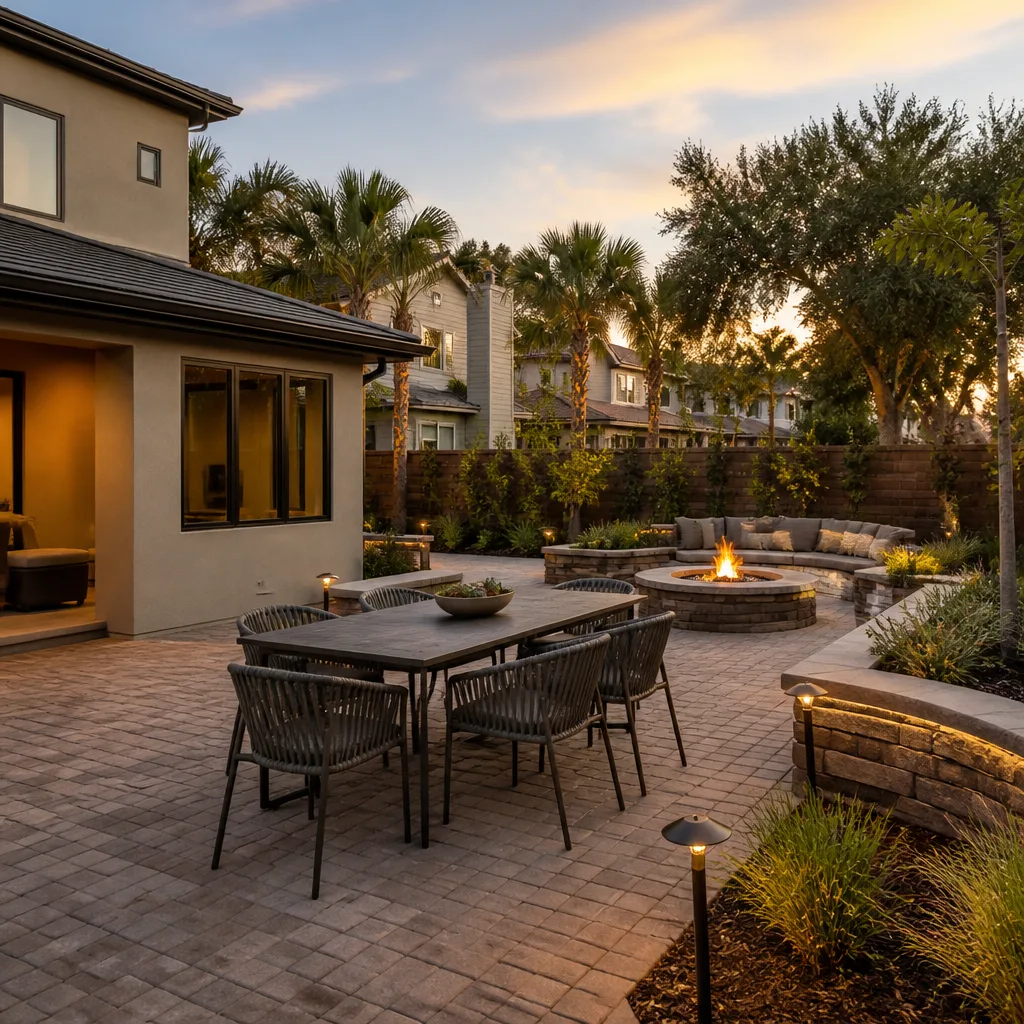
- Paver driveway (approx. 600 – 800 sq ft): $45 – $85 per sq ft installed, including base prep, compaction, edge restraint, and polymeric sand. Belgard, Techo-Bloc, Unilock, and Cambridge Pavers systems sit at the upper end; standard concrete pavers at the lower. Concrete slab alternatives run less but don’t carry the same curb appeal or lifespan.
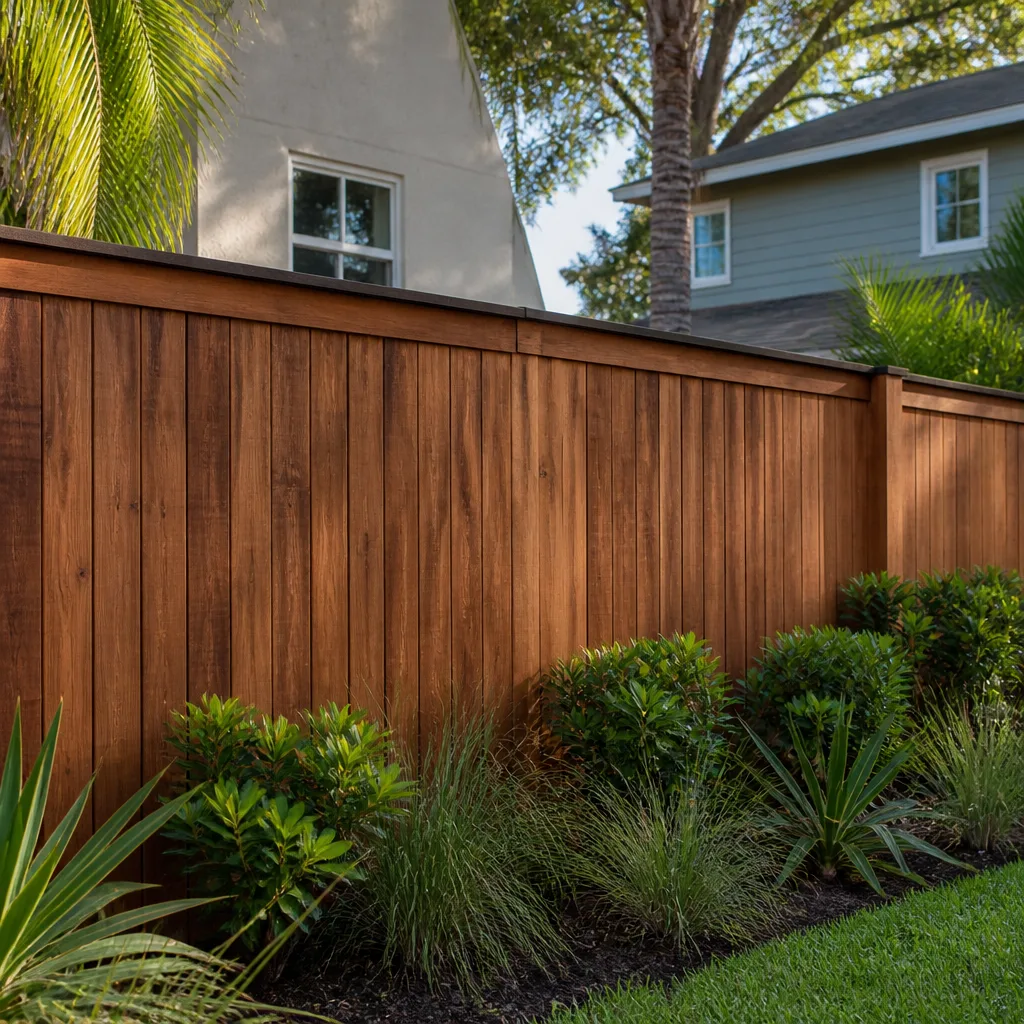
- Block wall fence (approx. 100 – 150 linear ft, 6 ft tall): $55 – $95 per linear ft installed, including footing, rebar, block, and finish. Stucco finish and decorative caps add to the upper end.
- Kitchen remodel (approx. 150 – 250 sq ft): $65 – $120 per sq ft, or roughly $25,000 – $75,000 total for a full gut remodel. KraftMaid cabinetry and Cambria or Silestone countertops push toward the top of that range; stock cabinets and laminate pull it down.
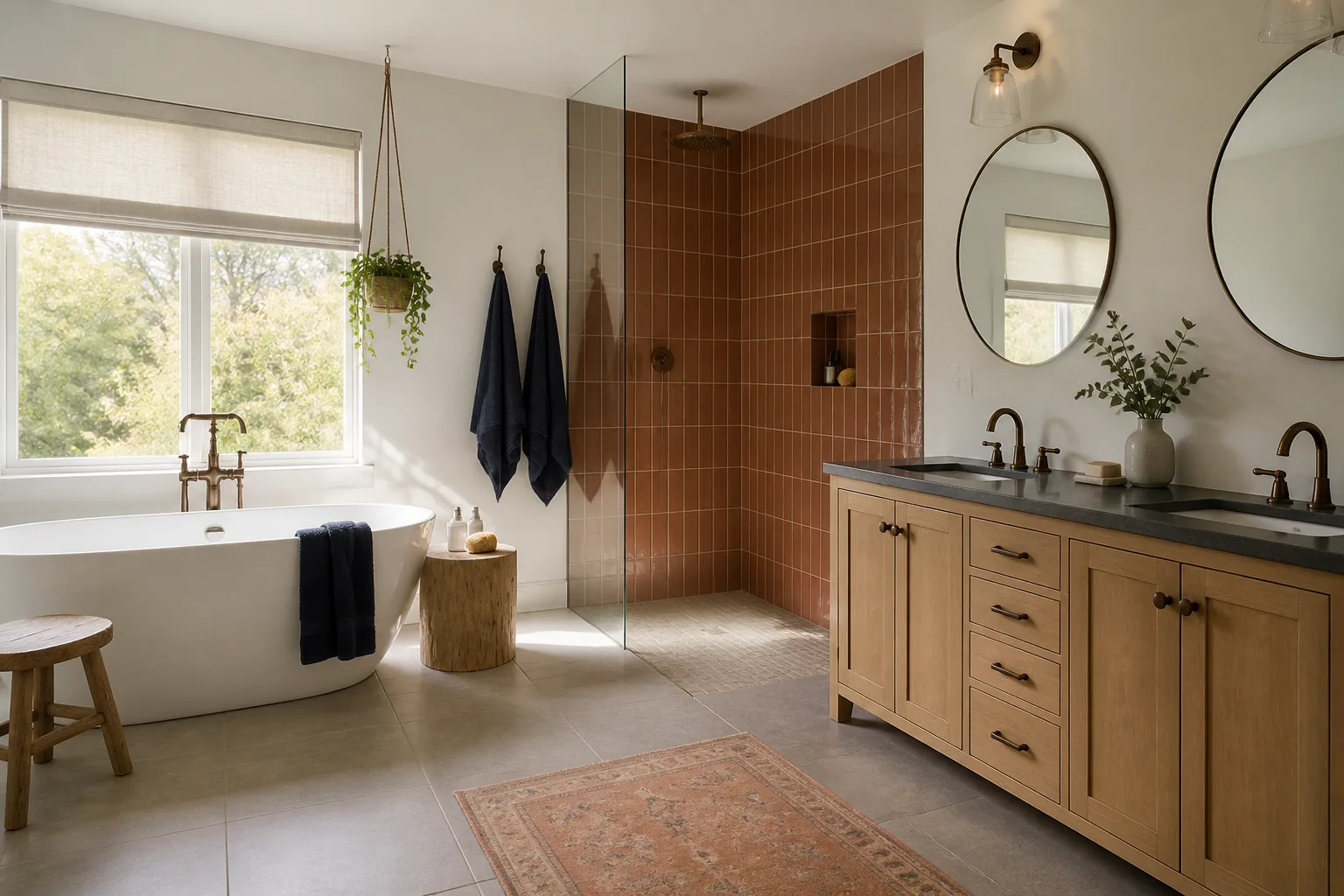
- Bathroom remodel (full, approx. 50 – 75 sq ft): $18,000 – $45,000 total, driven mostly by tile selection and whether the layout changes. Fixtures from Kohler, Moen, Grohe, Toto, or American Standard land anywhere in that range depending on the line.
- Re-roof (approx. 1,800 – 2,500 sq ft): $12,000 – $28,000 total. Architectural shingles from GAF, CertainTeed, Owens Corning, Atlas, or IKO sit mid-range; designer lines and tile push higher. Tear-off, underlayment, and disposal are included in a proper bid – confirm they are.
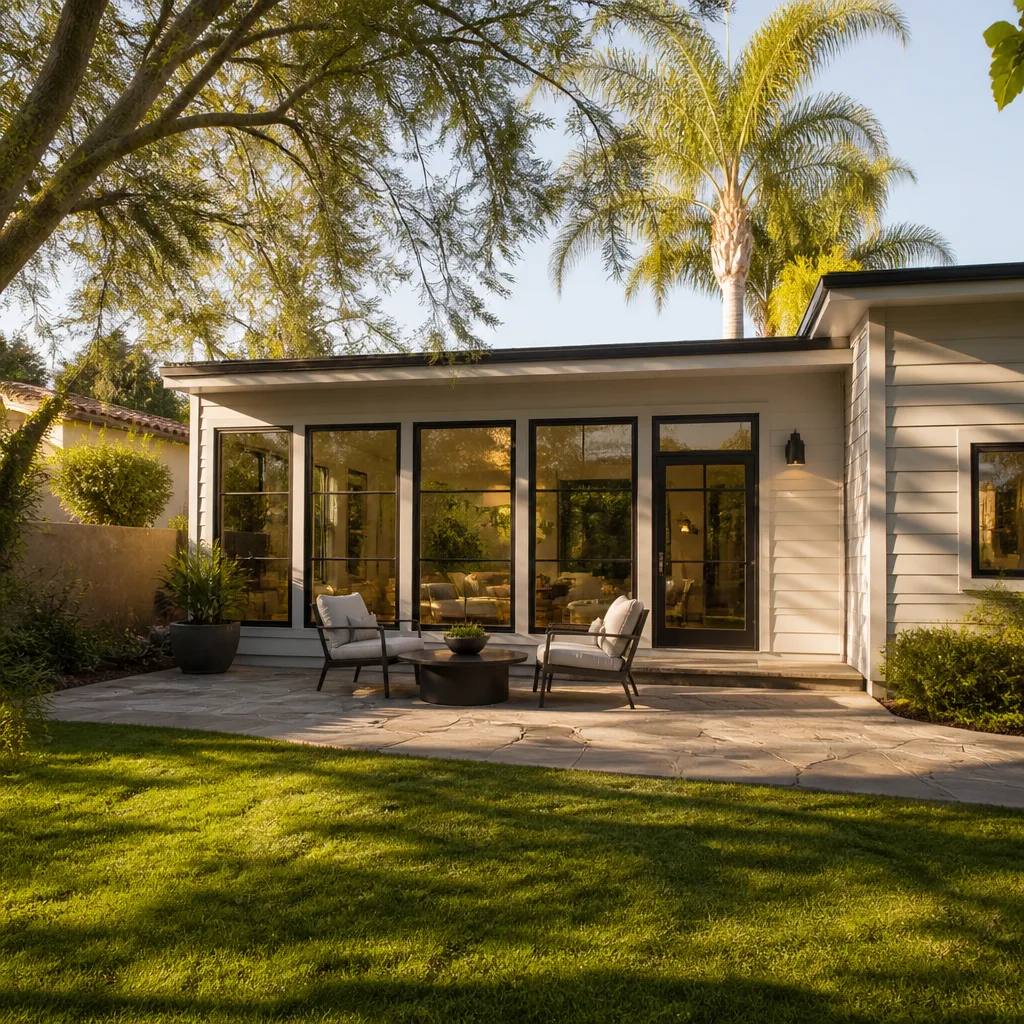
- ADU (approx. 600 – 900 sq ft): $220 – $280 per sq ft before permits for site-built. Prefab and modular options from Abodu, Dvele, Boxabl, Mighty Buildings, or Plant Prefab can change the math significantly depending on site prep and utility runs.
Notice what these ranges have in common: the spread between low and high is almost always materials. Labor in North Las Vegas is fairly consistent from bid to bid. Materials are where the number moves, and where the decisions you make in week one set the final price in month four.
How to Read a Contractor Bid and Spot What’s Missing
A bid that looks $8,000 cheaper than the next one is usually a bid with $8,000 of scope missing. Learning to read a bid is the single most valuable skill a homeowner can develop before signing. Here’s what to look for, in order:
- Permit fees. Are permit and plan-check fees listed as a line item, or is the bid silent on them? If silent, ask directly. In North Las Vegas, permit fees for a remodel or addition are real money, and they don’t disappear because the bid omitted them.
- Dumpster and disposal. A full gut remodel generates debris. Dumpster rental and haul-away should be itemized. A bid without it means someone is paying for it later, and it won’t be the contractor.
- Temporary power and water. If your project requires temp power or water during construction, the cost of setting it up and tearing it down should appear on the bid.
- Inspection costs. Re-inspection fees, if a job fails an inspection and needs a return visit, should be addressed. A reputable bid specifies who covers re-inspection costs.
- Allowances. An allowance is a placeholder dollar figure for materials you haven’t selected yet. A low allowance looks like a low bid but becomes an upgrade request once you pick your tile or countertop. Ask for the allowance amount and what it actually buys.
- Exclusions. Every bid should have an explicit “not included” section. If the bid has no exclusions, it has no boundaries, and that’s worse than a long list of exclusions.
- Draw schedule. How is payment triggered? Tied to milestones (demo complete, rough-in complete, cabinet install) or to dates? Milestone-tied payment schedules protect both sides.
When you compare bids, compare scope, not totals. A bid with permits, disposal, temp power, and a fair allowance is not comparable to a bid without them. Line them up side by side and see what each one actually covers. That’s the number that matters.
Builder-Grade vs. Name-Brand Materials: The Real Cost Per Year of Life
Builder-grade materials get priced per unit. Name-brand materials get priced per year of service life, and that’s where the math changes. A generic shingle and a GAF Timberline HDZ might differ by a few thousand dollars on a roof. But the generic shingle may need replacing several years sooner, and a manufacturer like GAF backs their product with a manufacturer warranty that adds real value the generic doesn’t carry.
The same logic applies inside the home. A builder-grade paint and a Sherwin-Williams paint differ in coverage and durability per coat. A stock cabinet and a KraftMaid cabinet differ in how the doors hold up to daily use over a decade. A laminate countertop and a Cambria or Caesarstone engineered stone countertop differ in the manufacturer warranty each carries, and in how they look when you sell. Every one of those gaps is a real cost difference that shows up later, not on the bid.
Here’s the practical framework we use when helping homeowners decide:
- Spec name-brand where the part is hard to replace. Roofing, windows, doors, and countertops fall here. The cost of tearing out and redoing the work later dwarfs the upfront price gap.
- Spec name-brand where the product carries a manufacturer warranty. Engineered stone countertops from Cambria or Silestone carry manufacturer warranties that a generic slab can’t match. Roofing from GAF, CertainTeed, Owens Corning, Atlas, or IKO does the same for the roof.
- Save on materials where appearance is the only variable. Interior paint in a closet, a utility-room floor, or an unfinished garage can go with a lower-grade product without sacrificing the property’s value.
- Match the material to your holding period. If you’re selling within three years, the math on some name-brand upgrades shifts. If you’re staying a decade or more, name-brand almost always wins on cost-per-year.
We specify the brand before the crew arrives because that’s the point where the budget is locked. Once the materials are named, the estimate is honest, and the homeowner isn’t getting a surprise mid-job when the lower-grade product they assumed was fine turns out to be out of stock and the “upgrade” is the only option.
Licensed Labor vs. DIY: Where the Premium Pays for Itself
The licensed-trade premium in North Las Vegas is real, and it’s larger than in most cities because the labor pool is tighter here. The question isn’t whether to pay it. The question is where it pays for itself. The answer breaks down by project type.
Where the licensed premium pays for itself:
- Roofing. Roof work is height work, and a mistake at the wrong moment is a serious injury. Add to that the permit and inspection requirements for a re-roof and the manufacturer warranty that usually requires a licensed installer, and the premium pays for itself on day one.
- Electrical, plumbing, and gas work inside a remodel. These are code-sensitive trades. The permit and inspection process exists to catch mistakes, and a failed inspection means paying twice. The safety concern is as real as the regulatory one, so always use a licensed electrician or plumber for panel work or gas lines.
- Structural work, additions, and ADUs. A framing error in an addition or ADU isn’t a cosmetic problem; it’s a structural one. Permits, plan checks, and inspections on this work are non-negotiable in North Las Vegas.
- Paver driveways on poorly graded lots. The base prep is where a paver driveway succeeds or fails. A DIY install on a lot with slope or drainage challenges is the most common way homeowners end up redoing the work.
Where DIY can reasonably save money:
- Interior painting in rooms where appearance is the only variable.
- Landscaping around a new hardscape once the pavers and base are complete.
- Removing old cabinetry or flooring before a remodel, if the contractor agrees to it in the scope.
- Minor finish work like baseboards and touch-ups, if the homeowner has the tools and comfortable.
The pattern is consistent: the projects that carry permits, inspections, structural risk, or safety risk are the ones where the licensed premium is non-negotiable. The cosmetic projects are where DIY can genuinely help. A homeowner who hires for the first group and DIYs the second group ends up with the best total number.
How to Stage a Large Project Across 12 – 24 Months
Homeowners who face a sizable renovation – a kitchen plus a roof plus a driveway, or an addition plus exterior systems – often assume they must do it all at once or wait. Neither is true. Staging a multi-system project across 12 to 24 months is usually the smarter financial path, provided the sequencing is planned so that no completed phase gets damaged by a later one.
Here’s the sequence we recommend for a full-property project in North Las Vegas, in order:
- Phase 1: Roof and exterior envelope. Roof first, then windows and doors. Water intrusion is the single biggest cost amplifier in any project, and North Las Vegas gets summer monsoon rain that turns a small roof gap into a drywall problem. Get the envelope watertight before anything else.
- Phase 2: Structural work. Additions, ADUs, and any framing changes come next, because they affect the exterior envelope and require permits that take time to process. Starting the permit process in month one for a project you’ll actually build in month eight is normal, not late.
- Phase 3: Hardscape and fence. Driveway pavers and block wall fencing come after structural work, because heavy equipment from a framing job can damage fresh pavers. Fence installation also protects the property line before interior finishes need protection.
- Phase 4: Interior remodeling. Kitchen and bathrooms come last, after the envelope is sound and the structural work is done. This keeps dust and heavy traffic out of finished interior spaces.
- Phase 5: Finishes and details. Paint, fixtures, and landscaping wrap everything up in the final phase.
Staging isn’t just about cash flow. It’s also about permits: North Las Vegas permits for an addition or ADU take time to process, and starting that process early lets the rest of the project unfold without expensive gaps in the schedule. Sequencing gaps happen when a homeowner starts a kitchen remodel, finds a structural issue that needs a permit, and then waits weeks for the permit while the kitchen sits half-finished. Plan for the permits up front and the gaps close.
The other thing staging does well is protect against scope creep. A homeowner who spreads a large project across two years has time to make better material choices at each phase, rather than finalizing ten decisions in a single stressful week. That’s where a contractor who has specified brands across the whole property becomes useful. One contractor, every project, so the driveway and the roof and the kitchen get specified with the same person’s eye and the same material standards.
Desert Sequencing: Why Order Matters More Here Than Anywhere
North Las Vegas has a specific climate pattern that punishes poor sequencing. The city sits in a basin with intense summer heat and seasonal monsoon rain that arrives fast and hard. A homeowner who installs interior flooring before the roof is replaced risks water damage. A homeowner who installs exterior paint before the block wall is finished gets overspray on a fresh surface. A homeowner who lays pavers before the framing crew is done gets cracked pavers from heavy equipment.
The heat matters too. Interior work in an unconditioned home during a North Las Vegas summer is slow and expensive, because materials behave differently and workers don’t work at the same pace. Roof work in the summer months needs to be scheduled around the heat of the day. Concrete slab work has its own timing constraints. A contractor who has done a lot of work in North Las Vegas will build those timing considerations into the schedule automatically, and that’s one reason the local knowledge is worth the labor premium.
Desert sequencing also affects the design. Roof pitch, overhang, and window placement all respond to how the North Las Vegas sun hits a house. A homeowner who chooses windows and doors without thinking about solar exposure will pay for that choice in cooling costs every summer. This is the kind of decision where working with a contractor who specifies brands like Therma-Tru for doors and James Hardie for siding gives the homeowner a conversation about performance, not just appearance.
Permits, Inspections, and the Fees Nobody Quotes You
Permits are the most commonly under-budgeted item in a North Las Vegas renovation, and they’re the one homeowners have the least visibility into before they sign a contract. Here’s how the permit process usually works for a mid-to-large project:
- Plan check. The city reviews the submitted plans before issuing a permit. Plan check fees are separate from the permit fee and take time. Ask your contractor to confirm the plan check is in the bid.
- Permit fee. This is a city fee based on the project’s scope and valuation. Ask to see it as a line item, not lumped into “fees and permits.”
- Inspections. A project with structural, electrical, plumbing, or gas work will have multiple inspections across the build. Each inspection requires scheduling, and a failed inspection requires a correction and a return visit.
- Re-inspection fees. If a job fails an inspection, the re-inspection costs money. A bid that doesn’t address this will pass the cost to the homeowner.
- Certificate of occupancy or final inspection. For additions and ADUs, the final inspection is the last step. It’s the sign-off that makes the new space legal to use.
A bid that omits permits isn’t necessarily a bad bid, but it’s an incomplete one. Ask directly, in writing, whether the bid includes plan check, permit fees, inspection scheduling, and re-inspection fees. A contractor who answers that question clearly is a contractor who is going to build the project with the same clarity.
One more point: permits exist for a reason. They exist because the inspection process catches problems before they become someone’s living room. Respect the process. Ask your contractor to pull every permit the project requires. It’s easier to plan for the timeline now than to deal with the consequences of skipped permits at sale.
Common Mistakes to Avoid
- Budgeting from a national cost calculator. A national average assumes a labor market that doesn’t exist in North Las Vegas in 2026. The gap between national average and local reality is 15 to 25%, and it will show up on your final invoice if it isn’t in your budget. Use local ranges and get a written estimate before you commit.
- Choosing the low bid without reading the scope. A bid that’s $8,000 lower than the next one usually carries $8,000 of missing scope. Compare line items, not totals, and ask what each bid includes.
- Ignoring the permit line item. A bid with no permit line isn’t a bid with no permit cost. It’s a bid that will pass the cost to you later. Ask for permits as an itemized line, not a lump.
- Installing finishes before the envelope is sealed. A North Las Vegas monsoon arrives fast. Interior finishes installed before the roof and windows are complete are the most expensive mistake in the sequence. Get the envelope watertight first, always.
- Laying pavers before the framing crew is gone. Heavy equipment on a finished paver driveway is a guarantee of cracked edges and settlement. Pavers and fence come after structural work, not before.
- Skipping the manufacturer warranty step. A name-brand installation with the manufacturer’s warranty behind it is worth what it costs. A generic product installed without the warranty is a bet against the next homeowner’s inspection.
- Staging phases without a permit timeline. Starting a structural phase in month ten without checking the permit timeline in month one means waiting weeks for approvals. Plan the permit process from the start, and the staging works.
See the difference
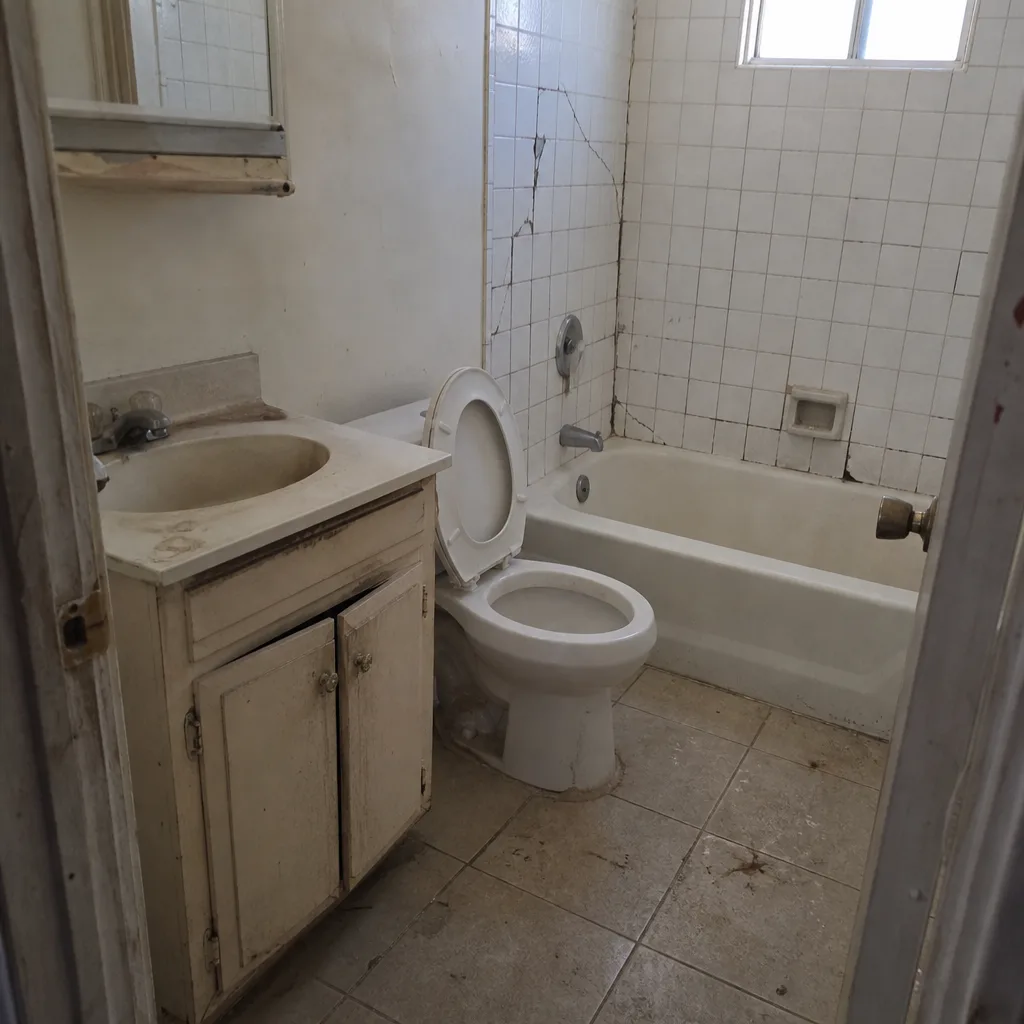 Before
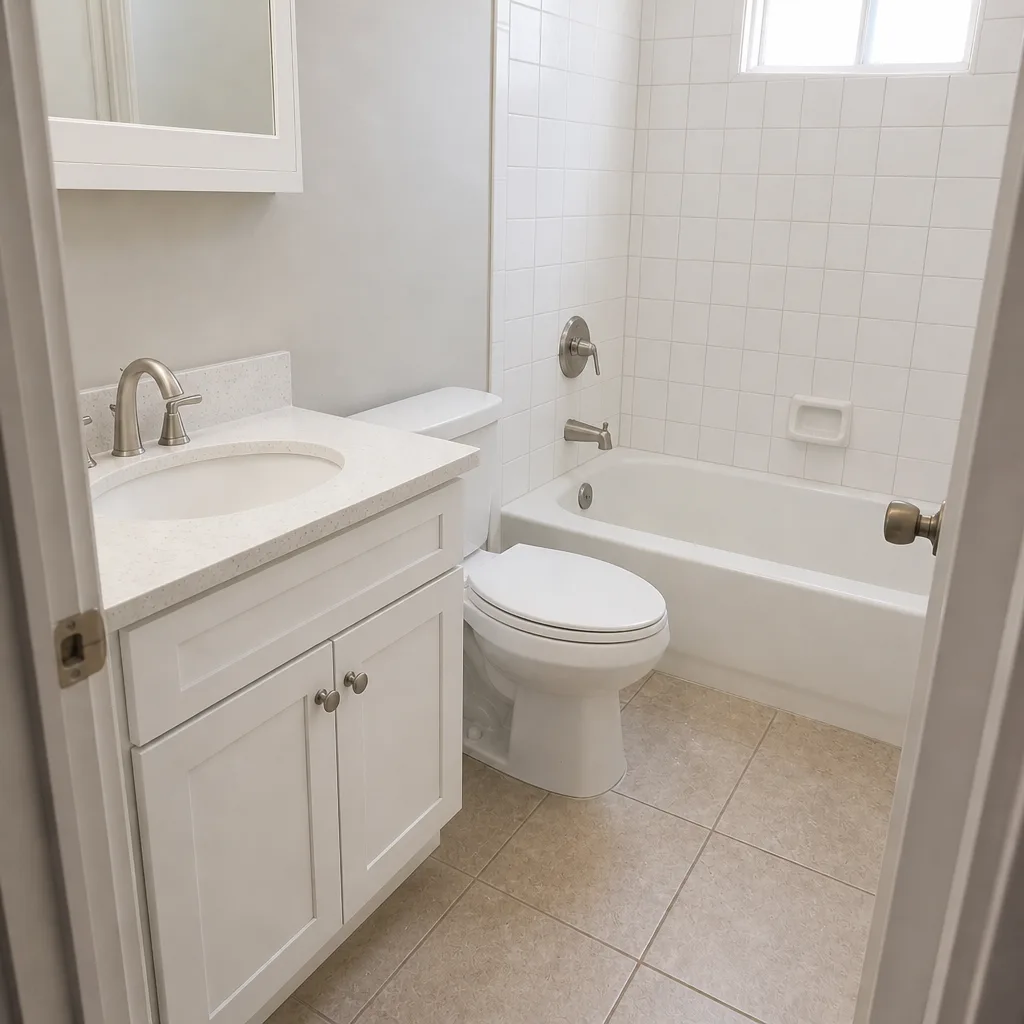 After
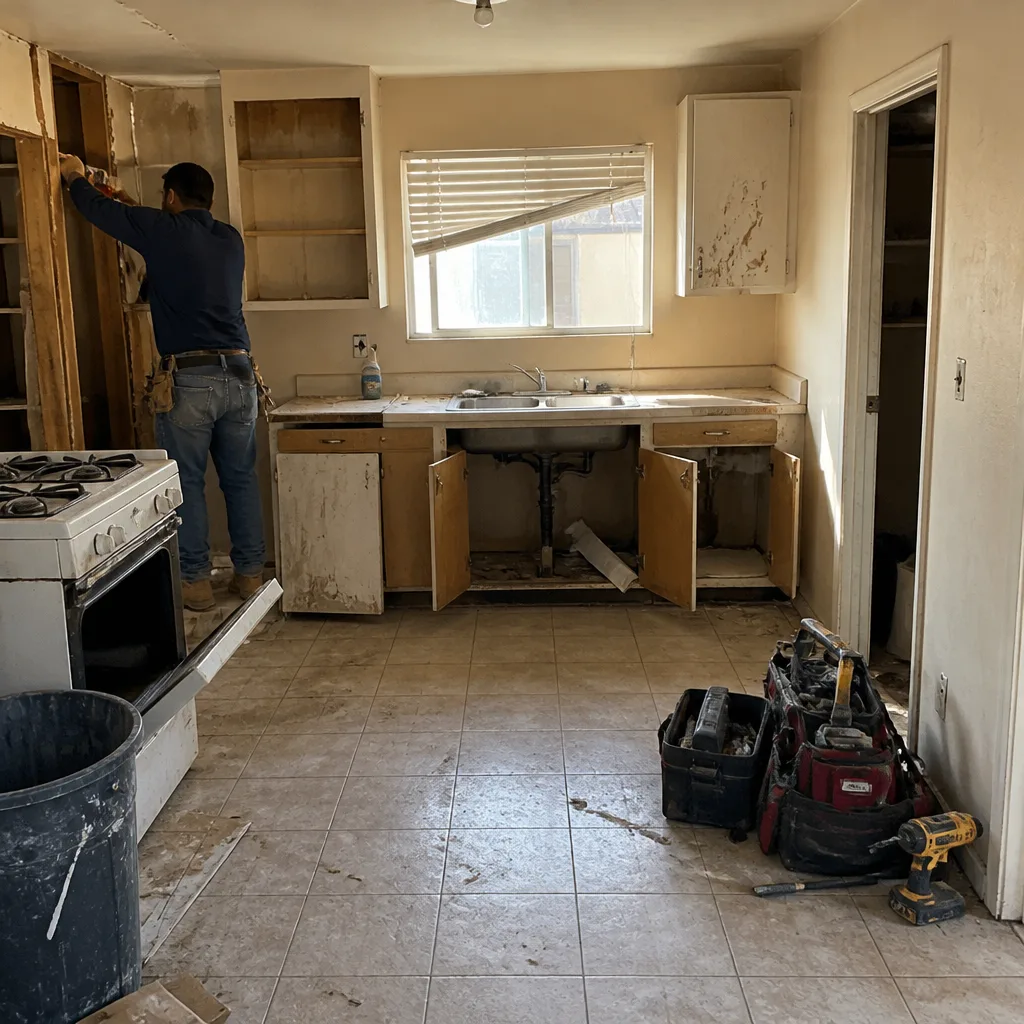 Before
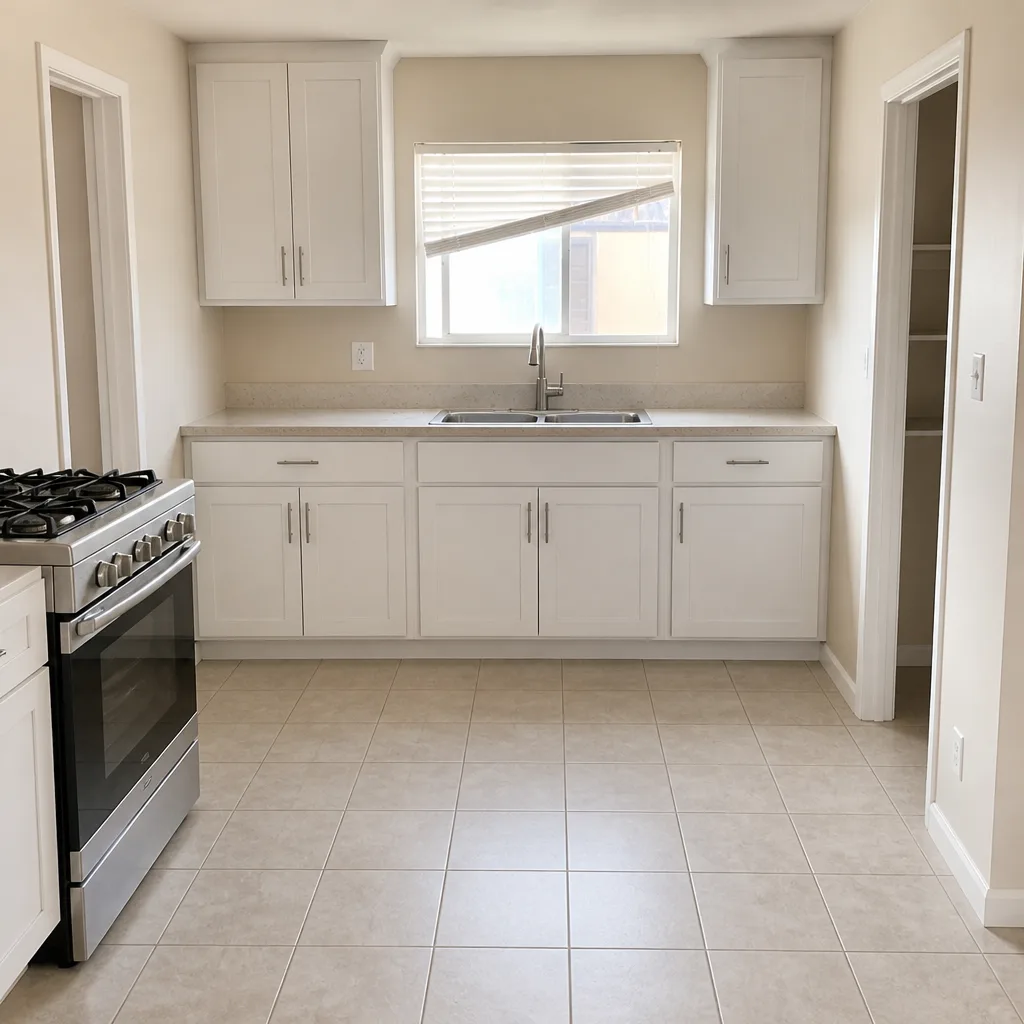 After
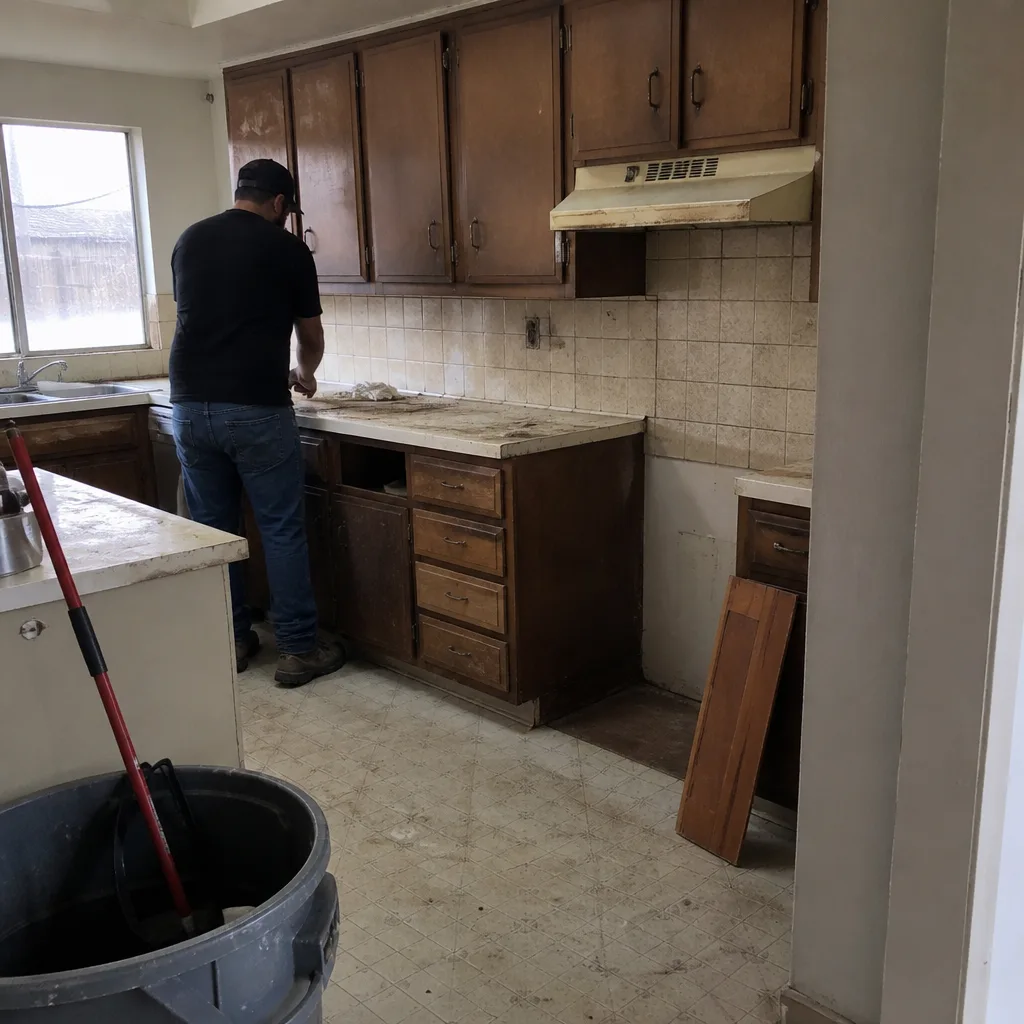 Before
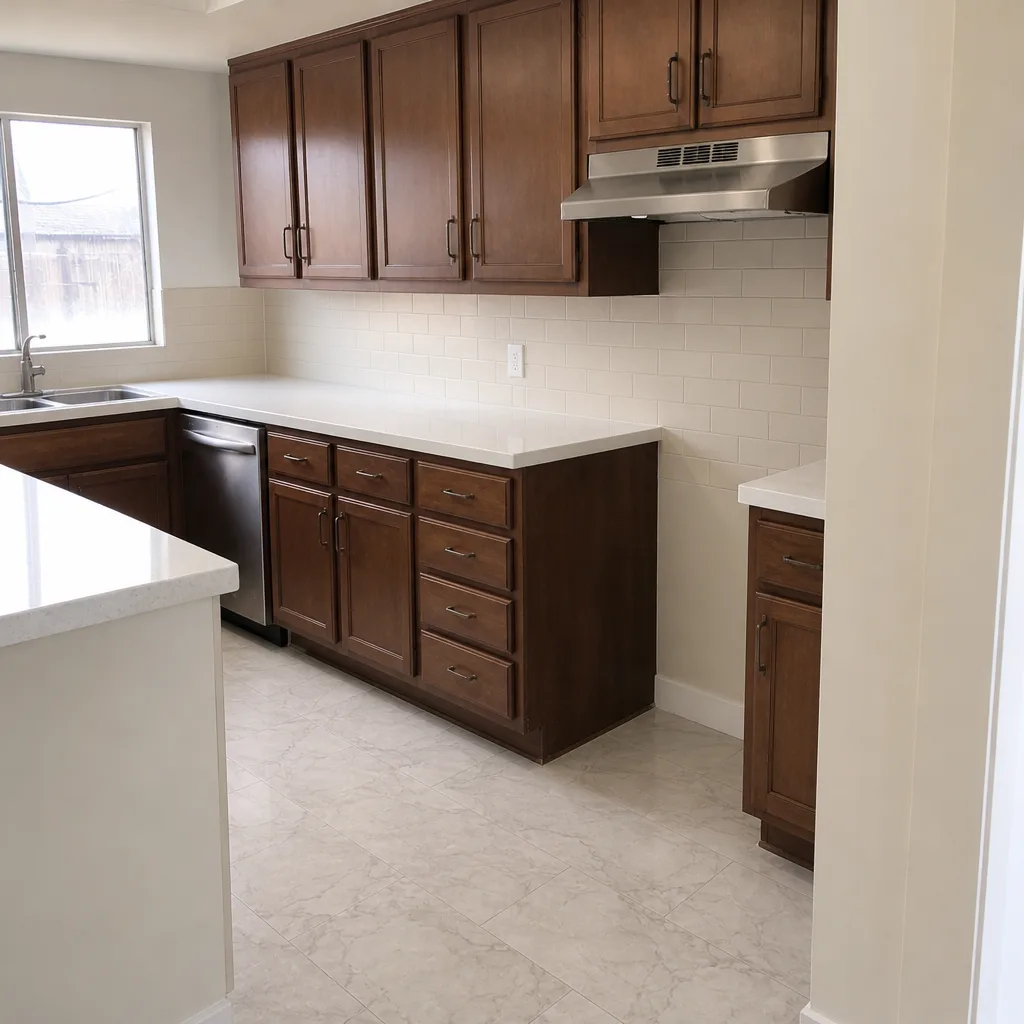 After
When to Call a Professional
Call a licensed contractor the moment your project touches the roof, the electrical panel, the gas line, the plumbing, or the structural framing. Those four categories are where the licensed premium pays for itself and where the safety stakes are real. A homeowner in North Las Vegas who tries to DIY a gas line or an electrical panel is taking a risk that no cost saving justifies. Beyond the safety trades, call a professional before installing a paver driveway on a lot with any slope or drainage issue, because base prep is what makes or breaks the finished job. Call before any remodel that requires a permit, since the permit and inspection process is what makes the work legal and protects you at sale. And call before staging a multi-phase project across a year or two, because the sequencing is what prevents a completed phase from getting damaged by a later one.
North Las Vegas Construction offers free estimates in North Las Vegas. Call (833) 734-2032 to schedule yours. We answer 24/7. Fast dispatch from 7am to 7pm, Sunday through Friday.
Frequently Asked Questions
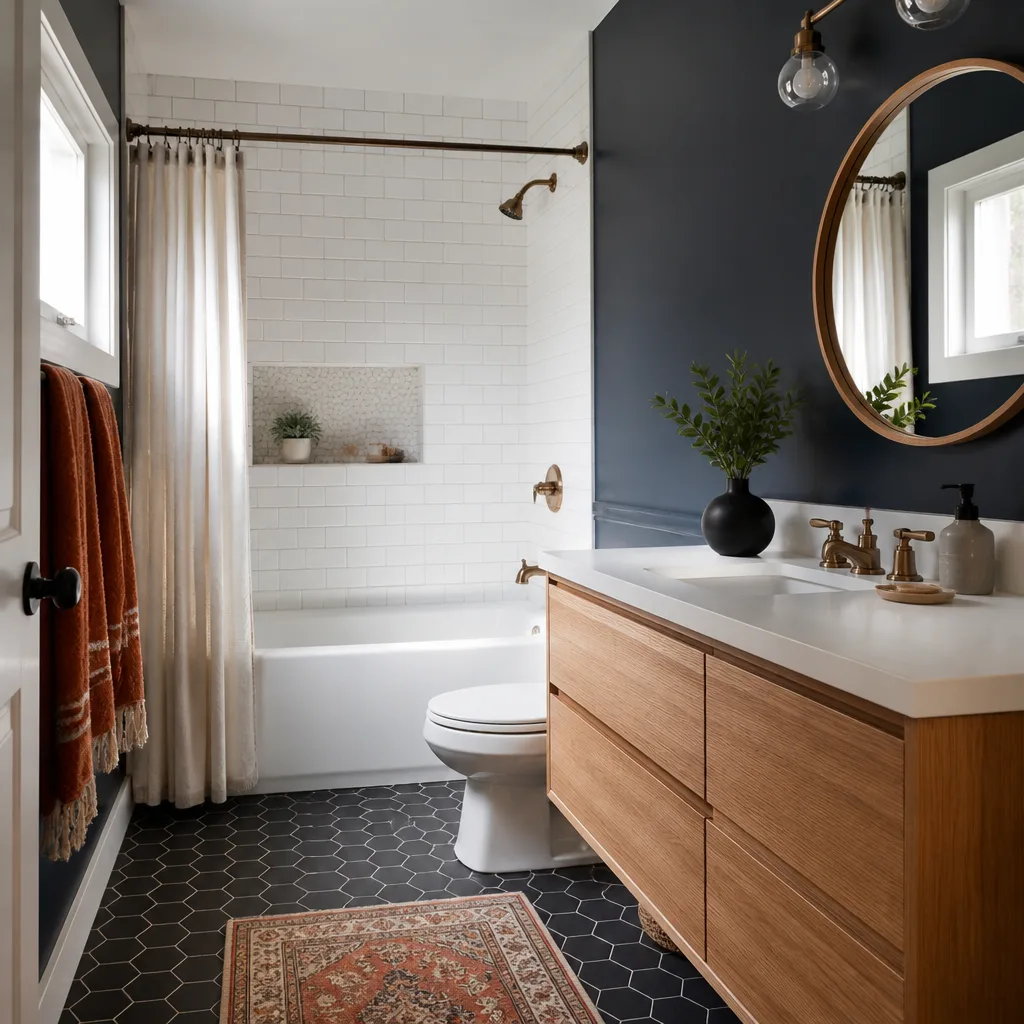
A full kitchen remodel in North Las Vegas in 2026 typically runs $65 – $120 per square foot, or roughly $25,000 – $75,000 total for a 150 – 250 square foot kitchen. The spread comes almost entirely from materials: KraftMaid cabinetry and Cambria or Silestone countertops push toward the top of the range, while stock cabinets and laminate pull it down. Labor is fairly consistent from bid to bid in this market, and permits are a separate line item that should appear on every written estimate. Call (833) 734-2032 for an exact quote. Estimates are free.
North Las Vegas carries a licensed-labor premium that’s larger than in Henderson or Summerlin, because the supply of licensed specialty trades hasn’t grown at the pace of local construction demand. Post-tariff lumber and steel pricing has settled at a higher floor, and permit fees have risen as the city works to keep pace with inspection volume. The combination puts North Las Vegas roughly 15 – 25% above the national average for a comparable project. It’s not a materials problem; it’s a labor and regulatory reality. Call (833) 734-2032 to talk through what that means for your project.
An ADU in North Las Vegas in 2026 runs $220 – $280 per square foot for site-built construction before permits. That’s above the national calculator figure of $150 – $200 per square foot, and the gap comes from labor, not materials. Prefab and modular options from Abodu, Dvele, Boxabl, Mighty Buildings, or Plant Prefab can change the math depending on site prep, utility runs, and foundation requirements. Every ADU needs a permit and a final inspection, so the permit cost should be a line item on your estimate, not an afterthought. Call (833) 734-2032 for a free estimate on your ADU project.
A properly written estimate with itemized line items and an explicit exclusions section shouldn’t change once work starts, except for genuine scope changes you approve in writing. Change orders happen when a homeowner picks a higher-grade material than the allowance covered, or when the contractor opens a wall and finds something the initial inspection couldn’t see. A contractor who itemizes allowance amounts and exclusions up front is a contractor who is planning for the final price to match the estimate. Call (833) 734-2032 to schedule your free written estimate.
Every project that requires a permit gets one pulled, plans checked, and inspections scheduled. Permits and plan-check fees should appear as explicit line items on your written estimate. For an addition or ADU, the permit process takes time and should start early so it doesn’t create a gap in the build schedule. A finished job that fails to pass its final inspection is a job that wasn’t built right, so the permit and inspection process is part of the work, not an optional add-on. Call (833) 734-2032 to discuss permits for your project.
A full-property project staged across multiple phases usually takes 12 to 24 months, while a single-trade project is much faster. A re-roof takes a matter of days. A kitchen remodel takes weeks. An ADU takes months, mostly because of the permit and inspection timeline. Staging the project in the correct order – roof and envelope first, structural work second, hardscape and fence third, interior remodeling last – is what keeps the finished phases from getting damaged. Call (833) 734-2032 to plan your schedule with a free estimate.
The Bottom Line
Construction costs in North Las Vegas in 2026 reward homeowners who budget locally and specify their materials up front. The national averages are 15 to 25% too low for this market, and the gap comes from a licensed-labor pool that hasn’t kept pace with demand, post-tariff material pricing, and permit fees that can’t be avoided. Read every bid for what’s missing rather than what’s cheapest. Choose name-brand materials where the manufacturer warranty and the lifespan justify the premium. Sequence your phases by trade and by climate: envelope first, structural second, hardscape and fence third, interior last. Stage a large project across 12 to 24 months if the cash flow calls for it, and plan the permits from day one. Our technicians have up to 11 years of experience with the seven trade categories this market demands, from North Las Vegas Construction scope planning through driveway & pavers, fence installation, and home additions & ADU work. One contractor, every project, with the brand specified before the crew arrives.
Ready to price your project? Call North Las Vegas Construction at (833) 734-2032 for a free estimate. We answer 24/7. Fast dispatch from 7am to 7pm, Sunday through Friday. Every estimate is written, itemized, and free, and the written estimate sets the final price.
Written by the team at North Las Vegas Construction.