Last updated November 18, 2026


Free written scope consultation - allowances, timeline, and change-order rules on paper before a single trade is scheduled
Seasonal Construction Care for North Las Vegas: Year-Round Homeowner’s Guide
Most homeowners here schedule their big exterior projects for summer, then spend August staring at a blotchy driveway finish and wondering what went wrong. The truth is that late February through April is the best concrete-pouring window in North Las Vegas: daytime temperatures sit between 50°F and 80°F, curing is predictable, and crews have more room in their calendars. North Las Vegas doesn’t have four gentle seasons. It has three functional construction seasons – a punishing summer, a mild winter that’s ideal for flatwork, and a spring wind season that quietly damages roofs, fences, and fresh paint. This guide walks you through what to inspect, seal, caulk, and schedule in each quarter so your property holds up year after year.
Quick Answer
Seasonal construction care in North Las Vegas means matching each project and inspection to the desert calendar: pour concrete and paint exteriors in late winter and early spring, inspect and repair roof flashing and fence posts before the April-June wind season, shift interior remodels and finish work to fall when HVAC demand drops, and winterize flatwork, irrigation sleeves, and outdoor electrical before the December and January freeze nights. The single biggest mistake is treating summer like build season when the heat actively works against concrete, adhesives, and roofing membranes.
Styles & brands we work with
- Kitchen remodeling
- Bathroom remodeling
- Home additions & ADU
- Roofing
- Windows & doors
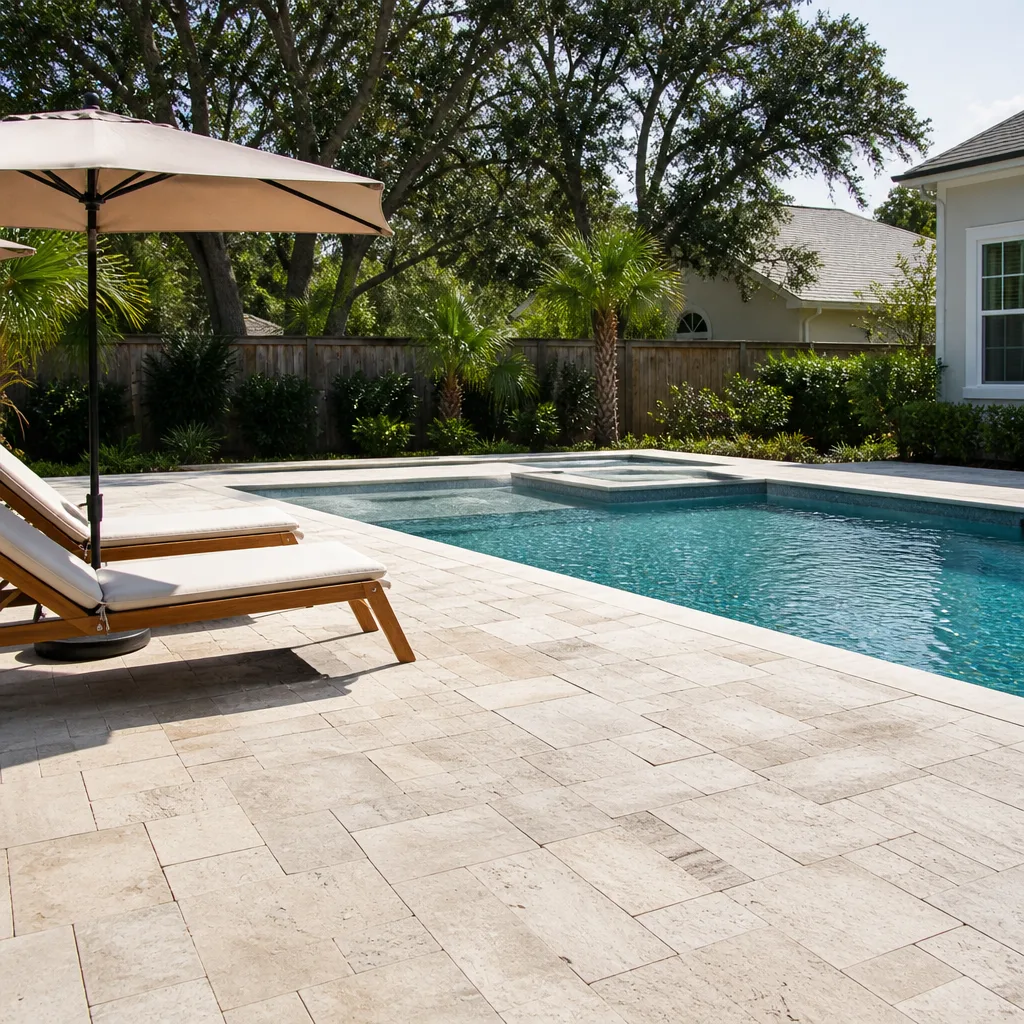
- Driveway & pavers
- Fence
Table of Contents
- Why North Las Vegas Has Three Construction Seasons, Not Four
- Winter (December-February): The Best Concrete Window You’re Probably Ignoring
- Spring (March-May): Wind Season and the Roofing and Fence Risks It Brings
- Summer (June-August): How Heat Changes Curing, Adhesives, and Roofing
- Fall (September-November): Interior Remodel Season
- Your Quarter-by-Quarter Inspection Calendar
- Winterizing Flatwork, Irrigation Sleeves, and Outdoor Electrical
- Choosing Materials That Hold Up to the Desert Cycle
Why North Las Vegas Has Three Construction Seasons, Not Four
Construction schedules built for temperate climates fall apart in North Las Vegas. The reason is simple: heat. From roughly June through early September, exterior work effectively shuts down between 10 a.m. and 4 p.m. Concrete poured into ground that hot can cure too fast, losing strength and finishing with a mottled, uneven surface. Roofing crews working on a shingle deck in direct afternoon sun face surface temperatures that make membrane installation and sealing unreliable. Tile adhesive and thin-set skin over before a setter can work them properly.
So the year splits into three working seasons instead of four:
- The winter flatwork season (December-February): Cool, stable temperatures with curing that behaves predictably. This is when driveways, patios, and paver base work go in cleanly.
- The spring wind season (March-May): Beautiful working weather that doubles as the highest-risk period for roof flashing, ridge caps, and fence posts as gusty fronts move through.
- The summer suspension and fall interior season (June-November): Exterior crews shift to early mornings and interior work takes over, with fall the sweet spot for kitchens and baths once the cooling load drops.
Once you see the year this way, the scheduling decisions get straightforward. You’re not fighting the climate; you’re working with it. And the projects that benefit most from good timing – like a new driveway, where curing quality is visible for a decade – are exactly the ones homeowners tend to schedule at the worst moment. For the full scope of what we build around the property, see North Las Vegas Construction.
Winter (December-February): The Best Concrete Window You’re Probably Ignoring
Late winter is the best time of year to pour concrete in North Las Vegas, and it’s the season most homeowners overlook. Temperatures that hold between 50°F and 80°F during the day give concrete time to cure evenly. When a slab cures slowly and steadily, it finishes harder, resists surface flaking better, and holds its color. Pour in July and you get the opposite: rapid moisture loss, a fast set, and a finish that can look patchy before the first car parks on it.
What to schedule in this window:
- Driveway replacement or new pours. Base prep, grading, and the pour itself all move faster in mild weather. Paver systems from Belgard and Techo-Bloc install cleanly onto properly compacted, cool-season base.
- Fence post setting. Posts set into cool, stable soil cure with far less risk of settling or leaning. A fence line that goes in during January is far less likely to develop wobbly posts by summer. Our fence installation work leans heavily on this window for exactly that reason.
- Exterior painting and caulking. Paint cures best when the surface isn’t baking, so late winter is when exterior caulk joints and hardboard siding repairs hold best.
- Roof inspections. Get ahead of spring by having flashing, valleys, and ridge caps checked before the wind arrives.
One caution for January and February: while daytime temperatures are kind, North Las Vegas still sees occasional overnight freezes. Fresh concrete should be protected from a hard freeze in the first 24 to 48 hours, which any reputable contractor will build into the schedule. If you’re planning a driveway, our driveway & pavers page covers materials and typical timing.
Spring (March-May): Wind Season and the Roofing and Fence Risks It Brings
The single highest-risk stretch for your property’s exterior is April through June, when the spring wind season arrives. Daytime temperatures are pleasant and it feels like the perfect time to do everything – which is exactly the trap. Strong, gusty wind events and blowing dust put real stress on any roof assembly and any fence line that wasn’t built or maintained properly.
Where damage shows up first:
- Roof flashing. Lifted or poorly sealed flashing around chimneys, vents, and wall intersections is the number one leak point after a wind event. Wind-driven sand and grit get under the edge, and the first rain finds the gap.
- Ridge caps. Ridge cap shingles take the full force of wind at the peak of the roof. Aged or improperly nailed caps lift, curl, and tear away.
- Fence posts and panels. A fence that leans after a windstorm was usually a post-setting problem from the beginning. Posts set in loose soil with inadequate depth or no proper compaction give way. Board-on-board and horizontal-slatted fence panels catch wind differently, so panel design and post spacing matter in this climate.
- Fresh paint and stucco. Wind-driven dust pits a fresh coat before it cures. If you’re painting in spring, schedule around gusty fronts.
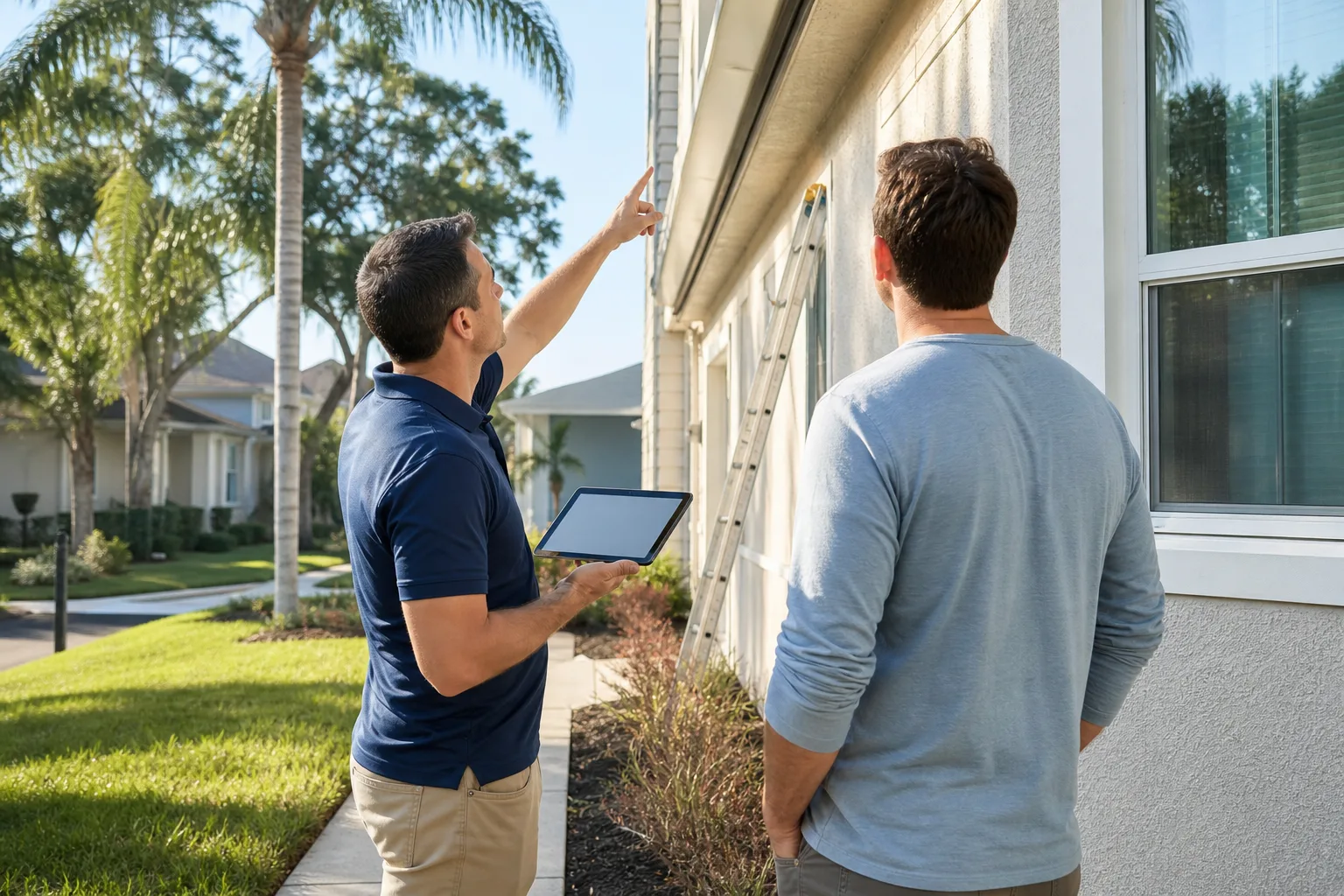
Before the wind picks up, do a walkaround. Look at ridge lines from the ground with binoculars. Push on fence posts to check for wobble. Check the sealant around every roof penetration. Then, if something’s failing, get it addressed before the season – not after. Roofing materials from established manufacturers like GAF and CertainTeed are engineered for wind uplift resistance, but only when the installation itself is done to spec.
Summer (June-August): How Heat Changes Curing, Adhesives, and Roofing
Summer is when impatient schedules get exposed. Concrete, tile adhesive, roofing membrane, and paint all behave differently above 100°F than they do in spring, and a legitimate contractor changes how the work is done rather than pretending the heat doesn’t matter. Here’s what actually happens and what good crews do about it.
Concrete curing. Heat accelerates the hydration reaction. Rapid moisture loss on the surface causes plastic shrinkage cracking and a weak top layer. Crews need to pour in early morning, use evaporation retarders or curing compounds, and sometimes cover flatwork to hold in moisture. If a contractor wants to pour your driveway at noon in July with no adjustment, that’s a red flag.
Tile and adhesive bonding. Thin-set and adhesives skin over quickly on a hot surface, which weakens the bond. Setters should work smaller sections, keep the substrate in shade, and not lay tile onto sun-baked concrete. Interior baths and kitchens are far less affected than patios.
Roofing membrane and shingle installation. Asphalt shingles soften and seal best when installed in moderate heat, but a scorching deck makes shingles prone to scuffing and blistering during install. Crews typically roof in early morning to give the shingle time to lay flat and seal properly. Low-slope membrane systems have their own temperature windows for seaming and adhesion.
The practical upshot: if a contractor promises fast summer exterior work with no discussion of heat management, ask how they’re handling curing, shading, and scheduling. The answer tells you a lot. Most disciplined crews start exterior work at first light and shift to interiors by late morning.
Fall (September-November): Interior Remodel Season
Fall is when the smartest remodeling schedules come together – not because the weather’s nicer, but because HVAC demand drops. When the air conditioner isn’t running hard, interior work zones stay more comfortable for crews, and ventilation is easier to manage. That matters for kitchen and bathroom remodels where you’re cutting tile, applying adhesives and grout, painting, and installing cabinetry in a contained space.
What benefits most from the fall window:
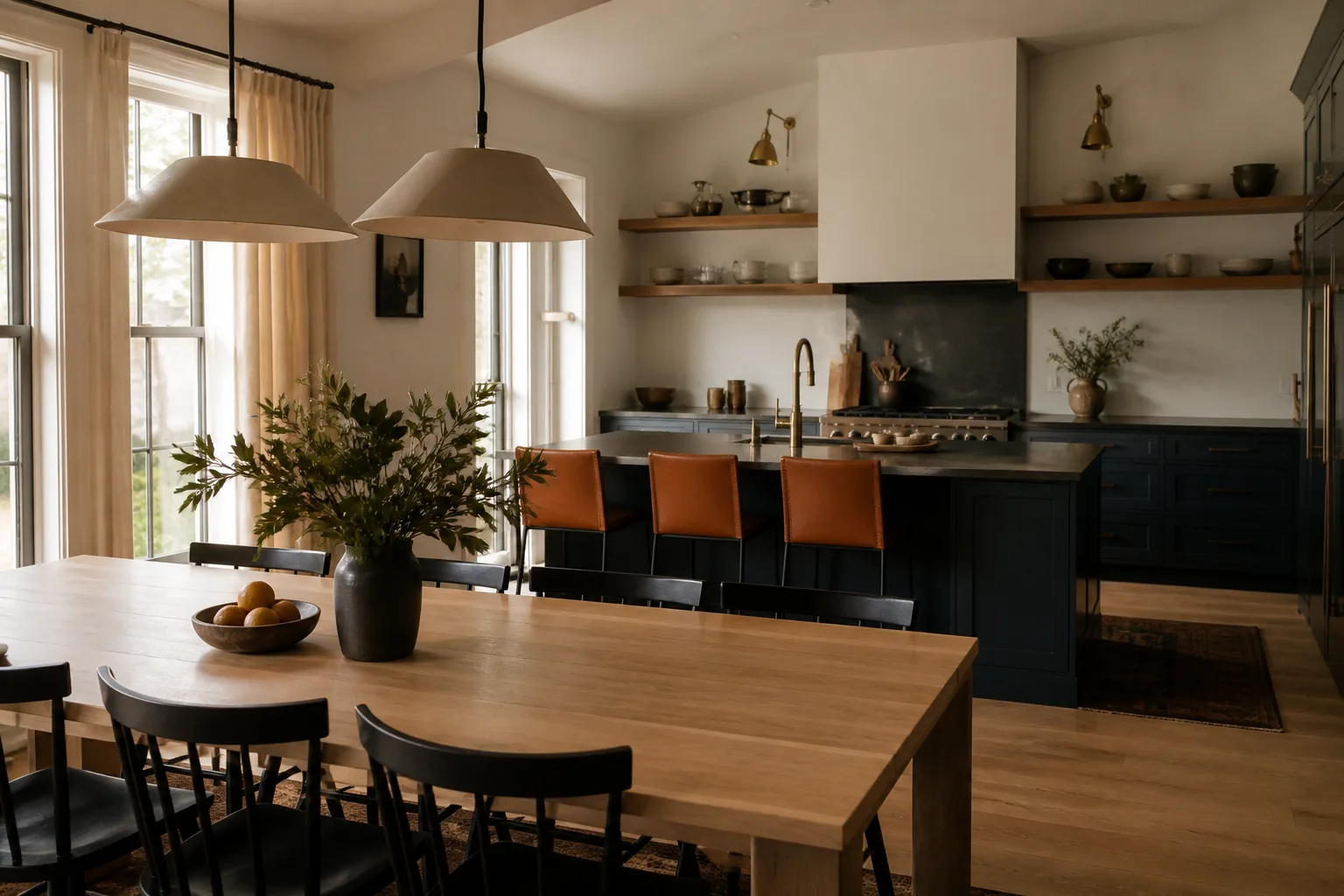
- Kitchen remodels. Cabinet installation, countertop templating and install, and appliance hookups all run smoother with stable temperatures. Premium lines like KraftMaid and Wellborn cabinetry and Cambria quartz countertops are manufactured to tight tolerances, but they still install best when the room isn’t fighting heat swings.
- Bathroom remodels. Tile work, waterproofing, and plumbing fixture installs behave predictably in fall. Fixtures from brands like Kohler, Moen, and American Standard go in without the plumbing chasing that comes with summer-driven schedule pressure.
- Paint and trim. Interior paint flashes and sets more evenly in cooler months, and doors and trim fit better when wood isn’t moving with humidity swings.
- Additions and ADUs. Structural work that will run through fall and winter is well served by starting in September, so the envelope is closed before the warm season returns.
Fall is also the best time to plan a larger project – an addition, a garage conversion, or one of the prefab ADU lines like Abodu, Dvele, Boxabl, Mighty Buildings, or Plant Prefab – because permitting and design timelines can be worked through the mild months. If you’re considering that scope, our home additions & ADU page walks through options. Fall is a deliberate choice, not a happy accident; scheduling an interior remodel in September gives you the calmest install conditions of the year.
Your Quarter-by-Quarter Inspection Calendar
Here’s the seasonal rhythm most North Las Vegas homeowners never set up. Put these four tasks on your calendar and most preventable damage disappears.
January: The Deep Inspection
- Walk the roof from the ground with binoculars. Look for lifted shingles, missing granules, and any visible flashing gaps.
- Check exterior caulk joints around windows and doors. Cracked caulk admits wind-driven dust and rain.
- Test fence posts for wobble. Push on each one and note any that move.
- Check irrigation sleeves and electrical runs at the hardscape edge for exposed or cracked conduit.
April: Pre-Wind-Season Prep
- Rinse and inspect roof valleys, gutters, and scuppers for debris build-up that traps wind-blown sand.
- Re-seal any flashing that showed movement over winter.
- Check that ridge caps are laying flat and locked down.
- Trim back trees and shrubs that will whip against siding and roofing in spring wind.
July: The Heat Audit
- Inspect exterior paint for blistering or peeling, especially on southwest-facing walls.
- Check flatwork for new cracks or spalling and seal any joints that have opened.
- Look at the roof for sun damage and any lifted seals on the south and west slopes.
- Schedule any exterior project for the next winter window rather than mid-summer.
October: The Winterize-Now Checklist
- Seal driveway and paver joints before winter moisture.
- Drain and blow out irrigation lines serving hardscape sleeves and exposed runs.
- Weatherproof outdoor outlets, lighting, and any low-voltage landscape fixtures.
- Book interior remodel consultations now so construction can start before the next warm season.
North Las Vegas winters are mild, but the occasional overnight freeze is real, and unprotected flatwork and outdoor plumbing take the hit. This calendar handles the big ones.
Winterizing Flatwork, Irrigation Sleeves, and Outdoor Electrical
North Las Vegas doesn’t get many freezes, but the ones it does get catch homeowners off guard – and that’s when most of the preventable damage happens. Winterizing your property before the first cold night is cheap insurance and takes an afternoon. Here’s what to do and how to think about it.
- Seal flatwork and paver joints. Water that gets into joints, cracks, or the base under pavers expands when it freezes, lifting and shifting the surface. A seasonal sealant application on concrete and a fresh joint sand topped on paver systems keeps water out.
- Drain irrigation sleeves and exterior lines. Any irrigation sleeve running under a paver system or through a foundation should be blown out and capped for winter. Standing water in a sleeve that freezes can crack it, and cracked sleeves collapse over time.
- Protect outdoor electrical. Weatherproof covers on outlets, drip loops on outdoor lighting runs, and a quick check of low-voltage landscape connections prevent moisture issues. If anything looks frayed or exposed, have a licensed electrician look at it – outdoor electrical is not a DIY fix.
- Check hose bibs and exterior plumbing. Disconnect hoses, insulate exposed pipe, and shut off exterior supply valves if your home has them.
- Inspect the roof envelope. Wind-driven cold fronts expose flashing leaks before rain does. If you have any question about a roof penetration sealing properly, that’s worth a call to a professional rather than a trip up a ladder.
One safety note: this is not the season to be climbing on a roof. Height work on a steep or pitched roof is genuinely dangerous, and the risk isn’t worth it. Have a trained professional inspect and handle anything above ground level. Most winterizing tasks – sealing, draining, wrapping – are safe to do yourself at ground level.
Choosing Materials That Hold Up to the Desert Cycle
Product selection is where most of the long-term durability comes from, and it’s a part of the plan many homeowners hand off entirely to the crew. In our view, it’s the homeowner’s call – made with guidance. We specify the brand before the crew arrives, and the principle is the same whether you’re choosing a fence, siding, or a countertop: pick materials engineered for the specific stresses of this climate.
What that means in practice:
- Roofing. Asphalt shingle systems from established manufacturers like GAF, CertainTeed, Owens Corning, Atlas, and IKO all publish wind and impact ratings. Pick a system rated for the wind loads this region sees, not just the cheapest bundle.
- Exterior cladding and trim. James Hardie fiber cement siding holds up to repeated heat cycles and wind-driven dust far better than older composite and OSB-based products.
- Cabinetry and countertops. Interior lines like KraftMaid, Wellborn, and Cambria are built to tolerances that matter in a climate that moves between very dry and moderately humid. Good product plus good installation equals a remodel that holds.
- Hardscape. Designer-grade paver systems from Belgard, Techo-Bloc, Unilock, and Cambridge Pavers are engineered for base stability and freeze-thaw performance. Generic concrete is cheaper and shows its age faster.
- Windows and doors. Impact-resistant glass and quality frame systems from makers like Therma-Tru help with security, noise, and desert storm protection.
The deeper point: the schedule and the materials have to work together. A great product installed on a bad day under bad conditions still fails. That’s why seasonal care is a materials question as much as a timing question.
Common Mistakes to Avoid
- Pouring concrete in peak summer heat with no curing plan. The visible result is a blotchy finish and visible cracks within a year, but the bigger issue is a weak slab.
- Installing a fence in late spring without checking post depth and compaction. The wind that arrives in May will find every weak post, and the fence will lean before fall.
- Skipping the pre-wind roof inspection. Loose flashing and lifted ridge caps are the most common leak sources after a spring wind event, and they’re cheap to fix before rain hits and expensive after.
- Scheduling a kitchen or bath remodel in July. Interior work in the summer heat is harder on crews and materials, and installs like tile and cabinetry go in more predictably in fall.
- Forgetting to winterize irrigation sleeves and outdoor electrical. The first overnight freeze catches homeowners off guard, and the damage shows up in the spring when water finds its way into the hardscape base.
- Choosing materials for price alone. Cheaper shingles, siding, or pavers often carry less wind or freeze-thaw performance, so the same desert cycle that a quality product shakes off causes early failures on a budget one.
- Treating seasonal maintenance as a one-time checklist. Each season has its own job, and the annual rhythm is what keeps the property sound – not a single big fix once every several years.
See the difference
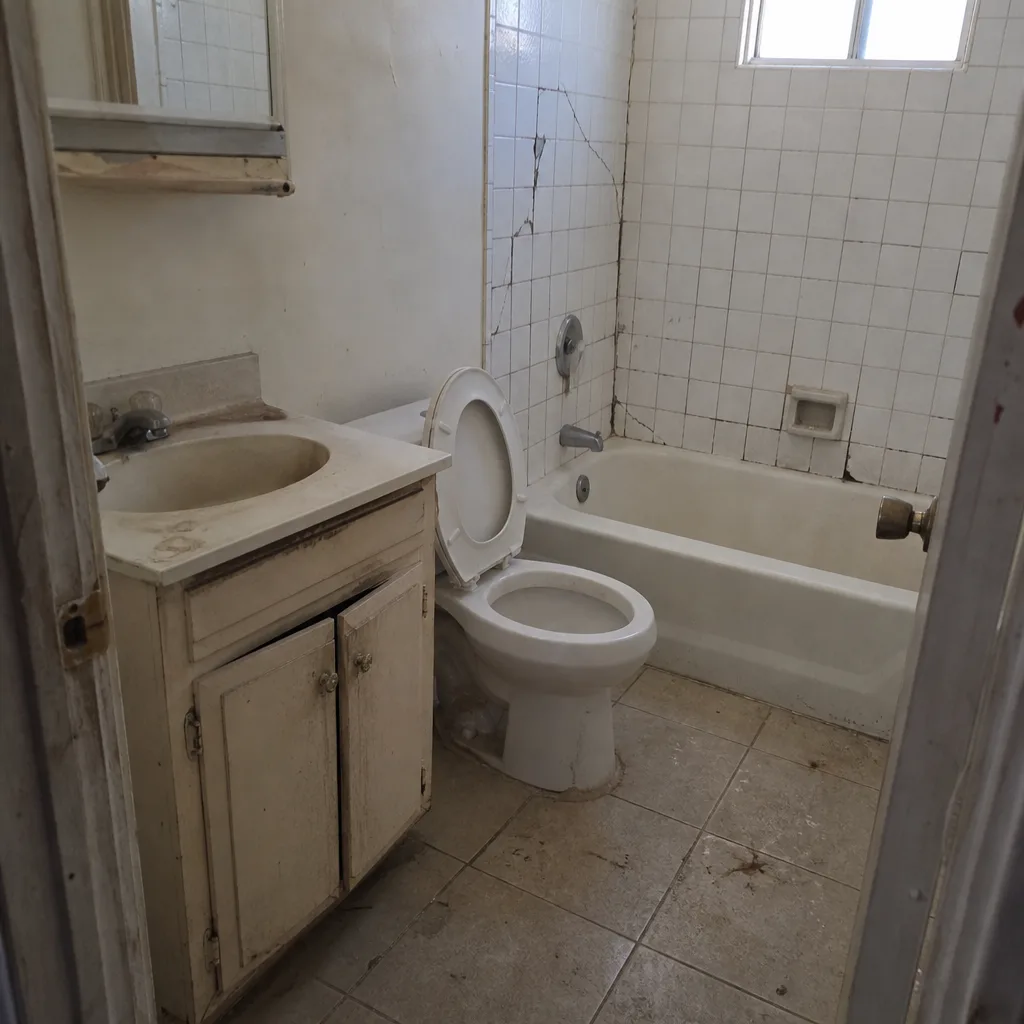 Before
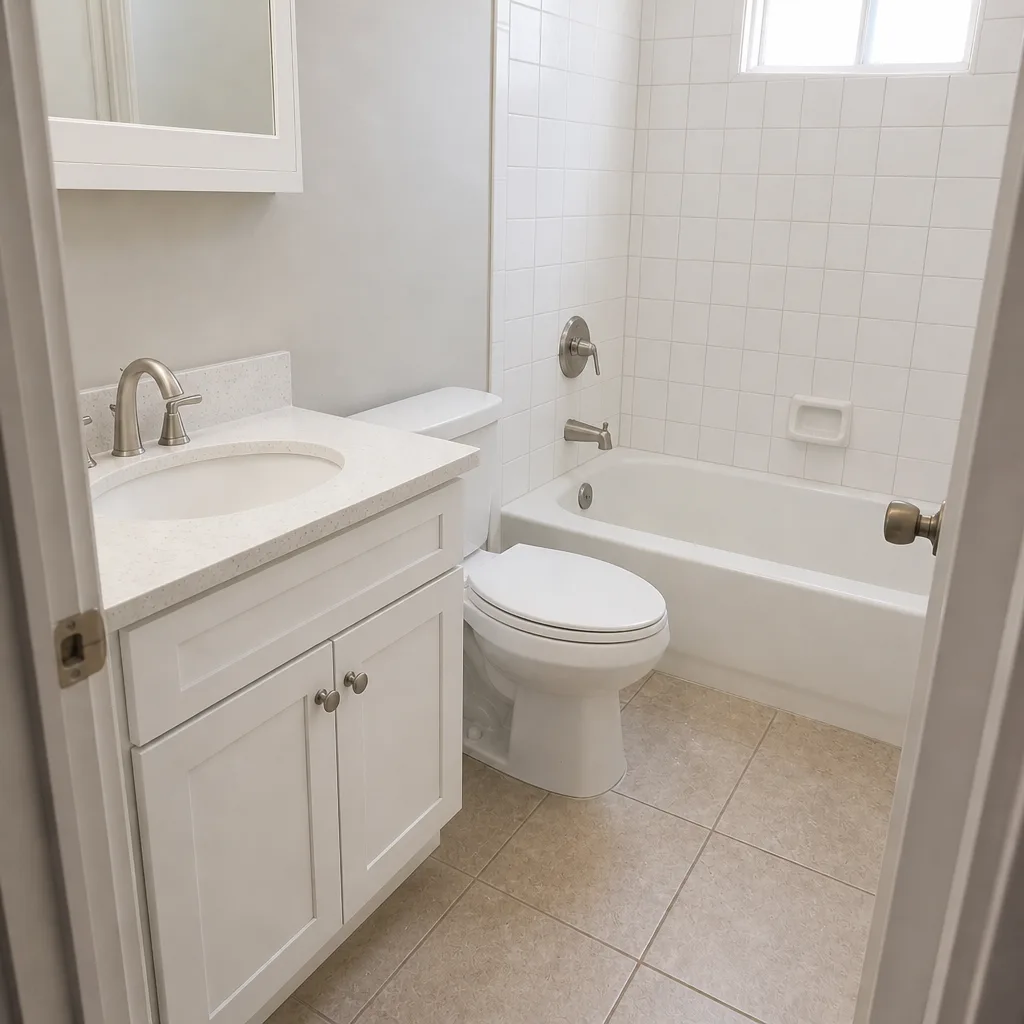 After
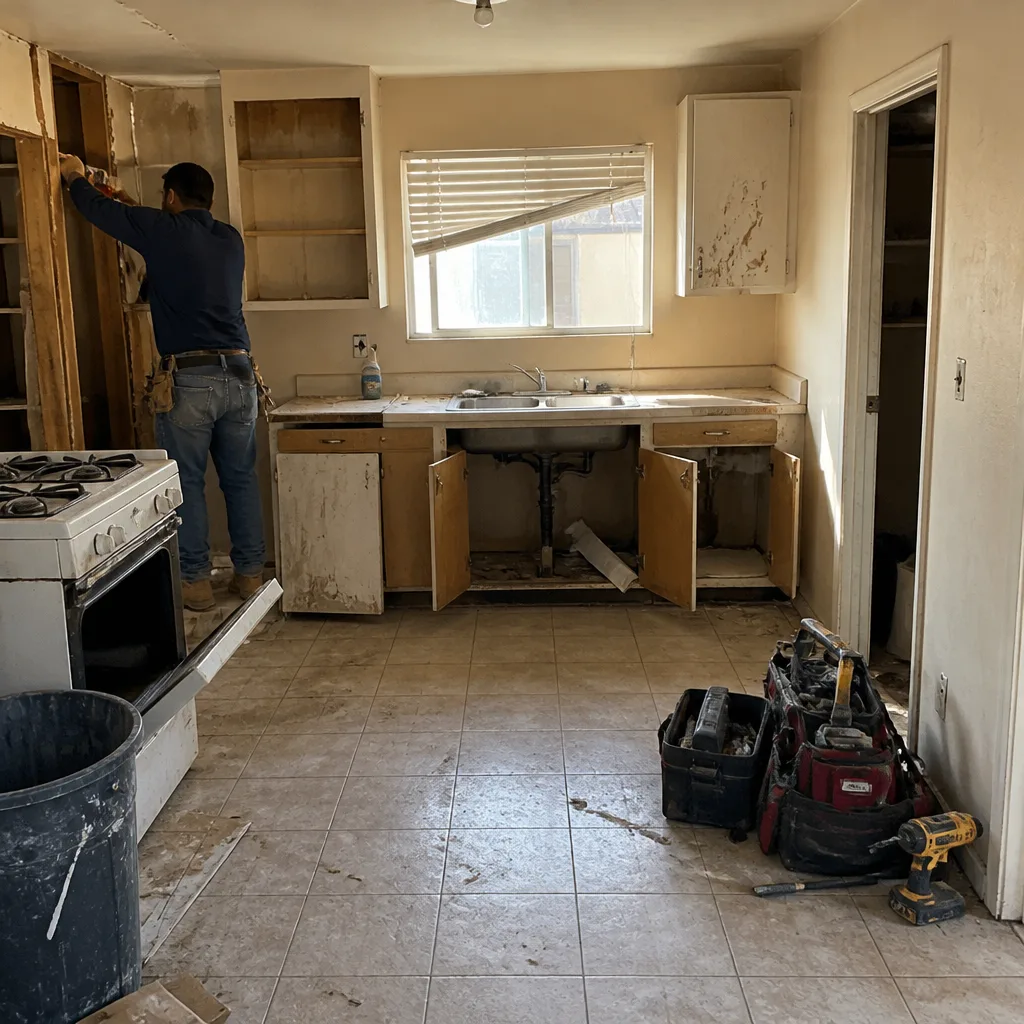 Before
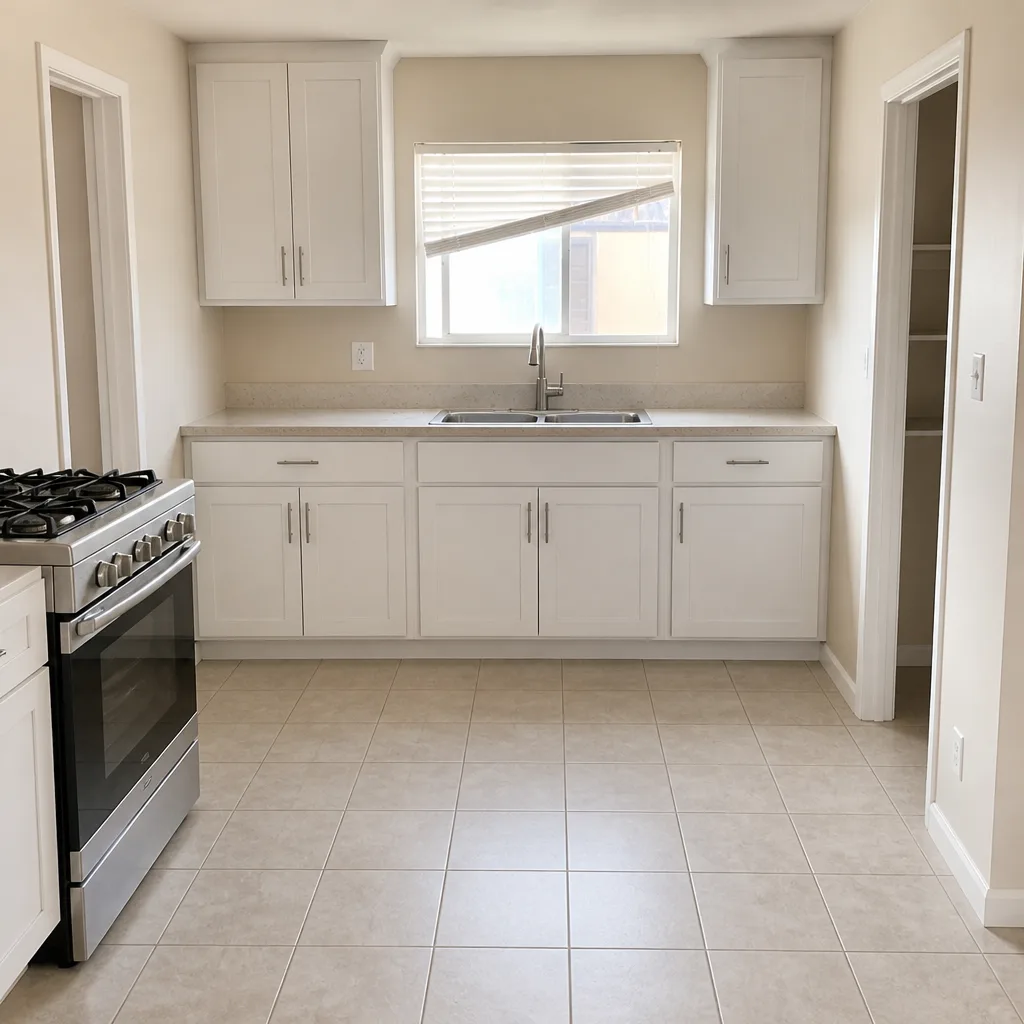 After
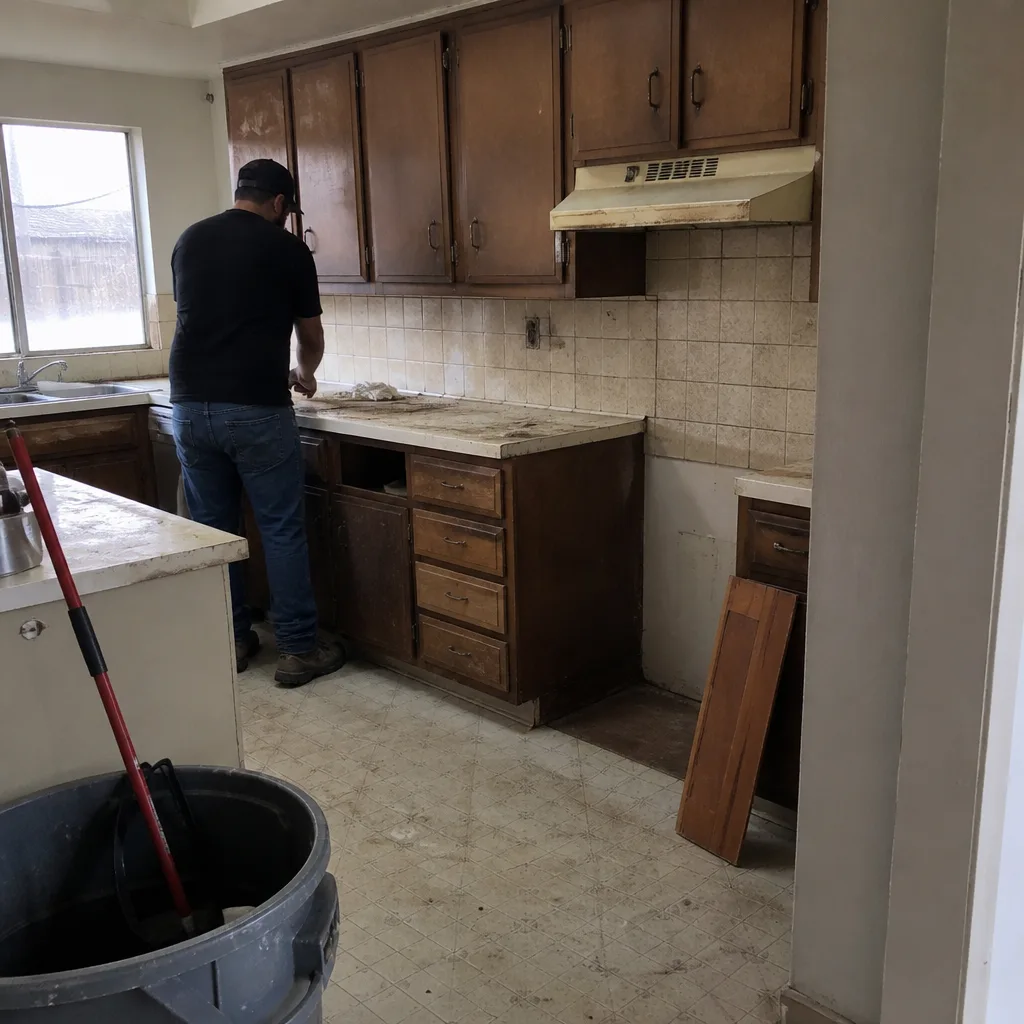 Before
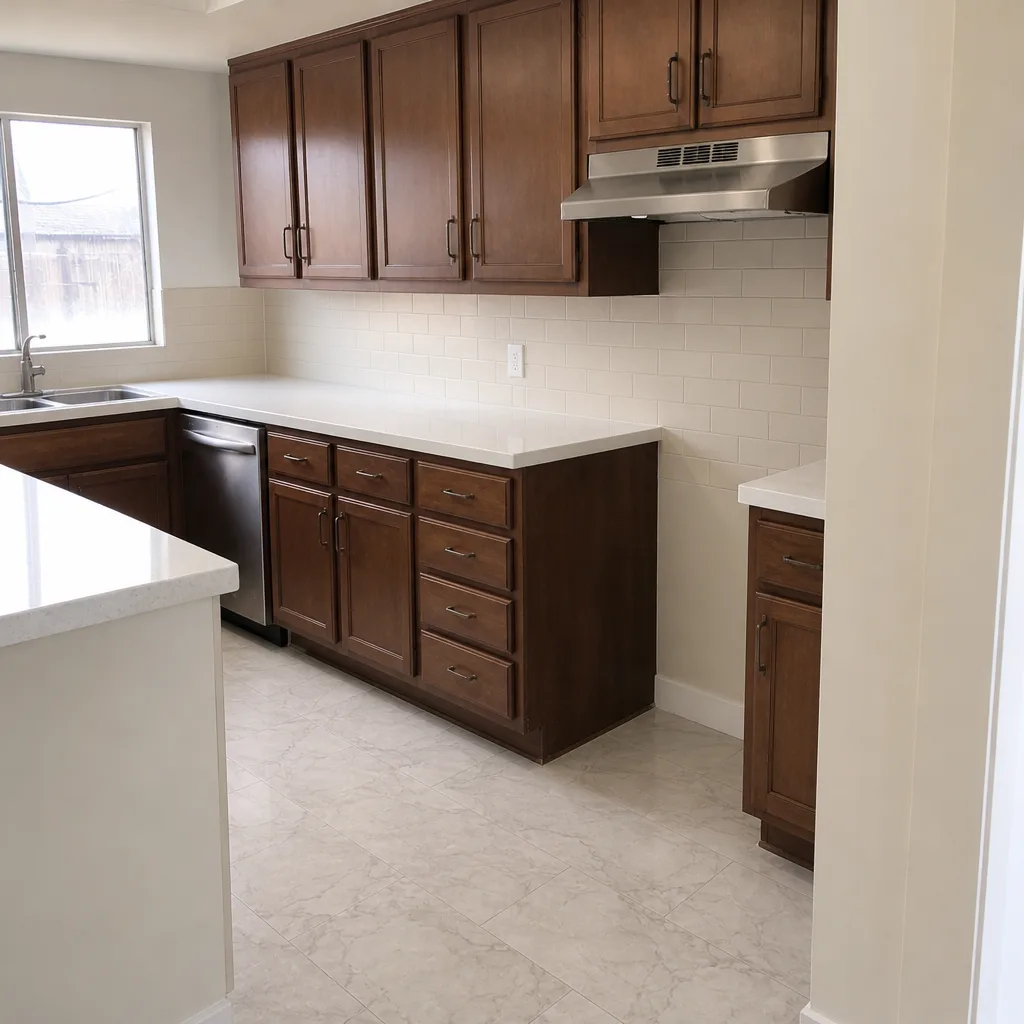 After
When to Call a Professional
Some seasonal tasks are safe for a homeowner – caulking, sealing driveway joints, draining irrigation lines, pushing on fence posts. Others call for a trained professional, and it’s worth being clear about the line. Roof inspection and repair, anything requiring ladder work above a low single story, electrical panel work, and any gas line work are genuine safety matters. On the construction side, concrete pours, fence installations, and full remodel scopes should be planned and executed by a contractor with material specifications in hand. North Las Vegas Construction offers free estimates in North Las Vegas – call (833) 734-2032. We answer 24/7. Fast dispatch from 7am to 7pm, Sunday through Friday.
Frequently Asked Questions
Late February through April is the best window to pour concrete in North Las Vegas, and late winter into early spring works well for paver systems too. Temperatures stay between 50°F and 80°F, curing is predictable, and finishes come out more even than a summer pour. Call (833) 734-2032 to schedule a free estimate – estimates are free.
April through June is the wind season in North Las Vegas, and that’s when roof flashing, ridge caps, and fence posts experience the most stress. Wind-driven dust and gusts exploit every weakness – a loose flashing seal, a shallow post, a shifted ridge cap. Getting an inspection done in March is the single best way to avoid the damage. Call (833) 734-2032 for a free estimate.
You can, but it should be scheduled with heat in mind. Concrete should be poured early in the morning with moisture management, and roofing crews should work at first light. A legitimate contractor adjusts both the schedule and the methods to the heat. Be cautious if a crew plans to pour concrete or install shingles at midday in July. Call (833) 734-2032 to talk through timing.
Yes, fall (roughly September through November) is the calmest window for interior remodels in North Las Vegas because HVAC demand drops and ventilation is easier to manage. Tile, cabinet, and countertop installs run more predictably with stable temperatures, which is why we recommend it for anything interior. Call (833) 734-2032 for a free estimate.
Before an overnight freeze, seal your flatwork and paver joints, drain and blow out irrigation sleeves, weatherproof outdoor electrical, and disconnect and insulate exterior plumbing. North Las Vegas gets occasional freezes in December and January, and unprotected sleeves and jointed flatwork are where most cold damage starts. Call (833) 734-2032 for a free estimate on any sealing or hardscape repairs.
The right approach is to look for material lines engineered for heat cycling, wind, and freeze-thaw stress – not just price. That means shingles rated for wind, fiber cement siding like James Hardie, engineered stone countertops from brands like Cambria, and paver systems from Belgard or Techo-Bloc. We work with 50+ named manufacturers, and we specify the brand before a crew arrives. Call (833) 734-2032 for a free estimate.
The Bottom Line
North Las Vegas rewards homeowners who build around the climate instead of against it. Pour concrete in the winter, prep for wind in early spring, pull back from summer exterior work, and take on interior remodels in fall. Keep the annual inspection calendar running, winterize flatwork, irrigation sleeves, and outdoor electrical before the freeze nights, and choose materials from established manufacturers rather than chasing the cheapest bundle. North Las Vegas Construction handles the scope, you make the selections, and the result is a property that stays sound through every cycle. Our technicians have up to 11 years of experience. Call (833) 734-2032 to schedule your free estimate. We answer 24/7. Fast dispatch from 7am to 7pm, Sunday through Friday.
Written by the team at North Las Vegas Construction.