Last updated November 18, 2026
Free written scope consultation - allowances, timeline, and change-order rules on paper before a single trade is scheduled
Choosing the Right Construction Brand: A Buyer’s Guide for North Las Vegas
A 30-year architectural shingle rated for high wind in a humid test facility doesn’t perform the same way on a North Las Vegas roof, where surface temps can sit above 150°F for months at a stretch. And not every 30-year shingle uses the same thermal modifier in its asphalt compound. That gap between a spec sheet and a desert roof is where most material decisions quietly go wrong. Homeowners usually end up with whatever their contractor stocks, not what performs here. This guide names specific brands across roofing, pavers, paint, tile, and more, and explains why each earns its place in a North Las Vegas home. You’ll learn how to read a bid, spot a substitution, and verify a manufacturer’s climate requirements before anyone drives a nail.
Quick Answer
The right construction brand for a North Las Vegas home is the one whose product is engineered for intense UV, temperatures over 150°F on exposed surfaces, and long dry stretches followed by sudden monsoon rain, and whose manufacturer publishes installation requirements for that climate. In practice that means brands like GAF for roofing, Belgard and Techo-Bloc for pavers, Sherwin-Williams Duration for exterior paint, and Daltile or MSI for tile, specified in writing before the crew arrives. The brand name on the bid matters less than whether that exact product appears on the final invoice.
Styles & brands we work with
- Kitchen remodeling
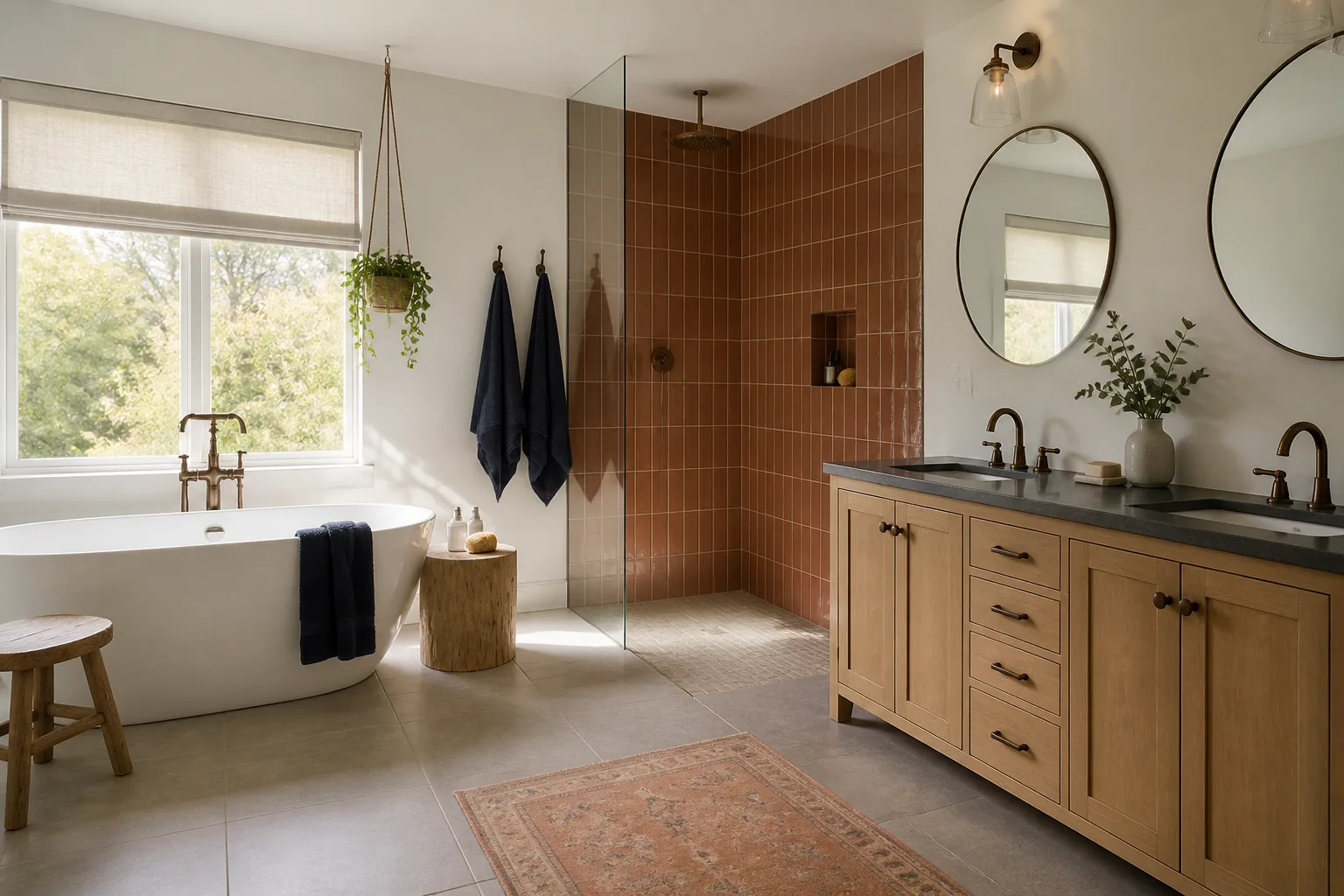
- Bathroom remodeling
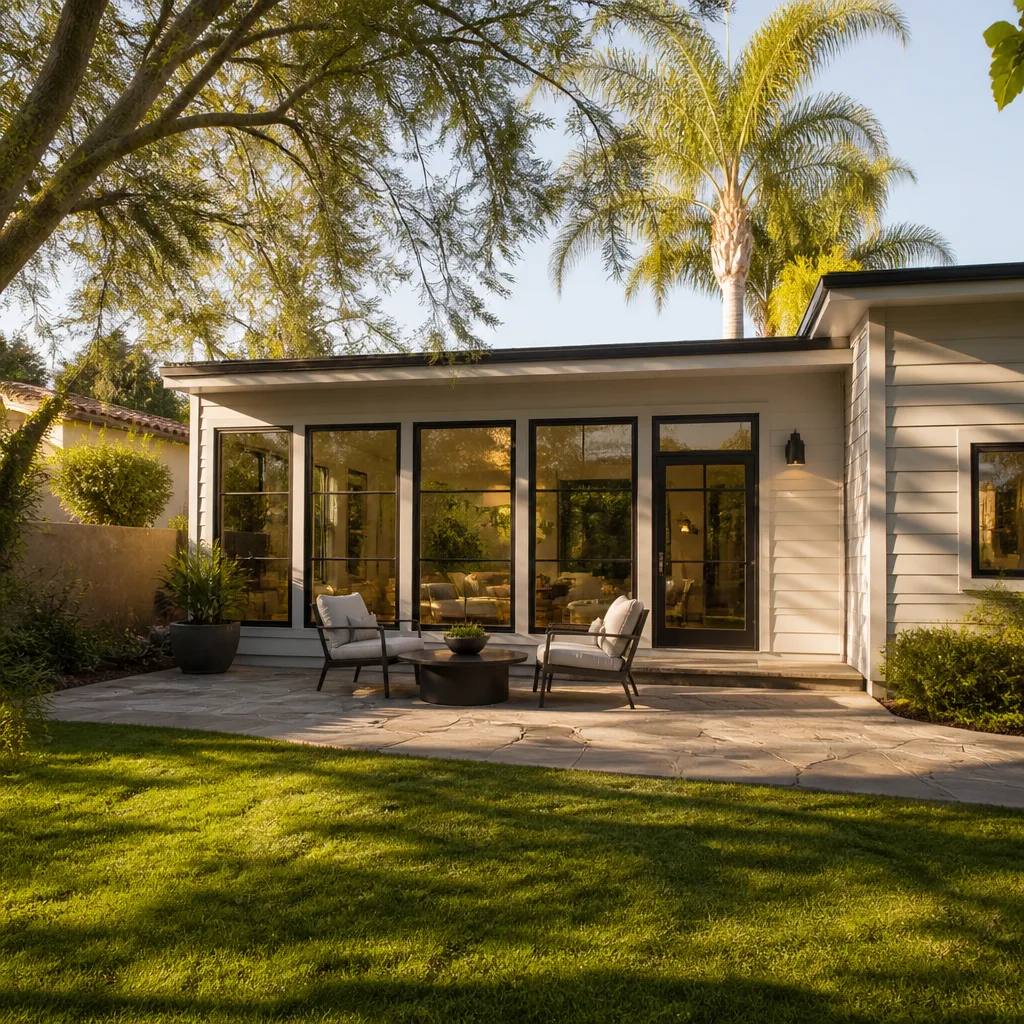
- Home additions & ADU
- Roofing
- Windows & doors
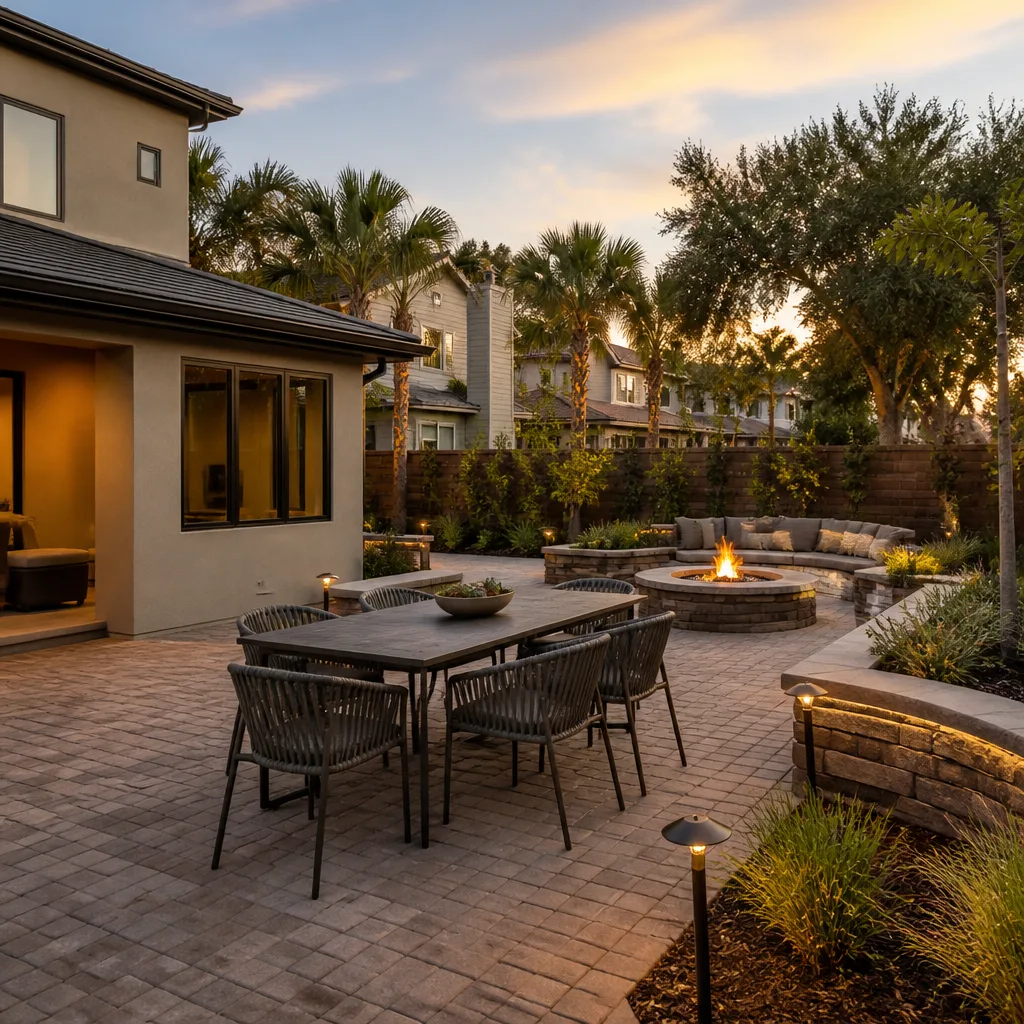
- Driveway & pavers
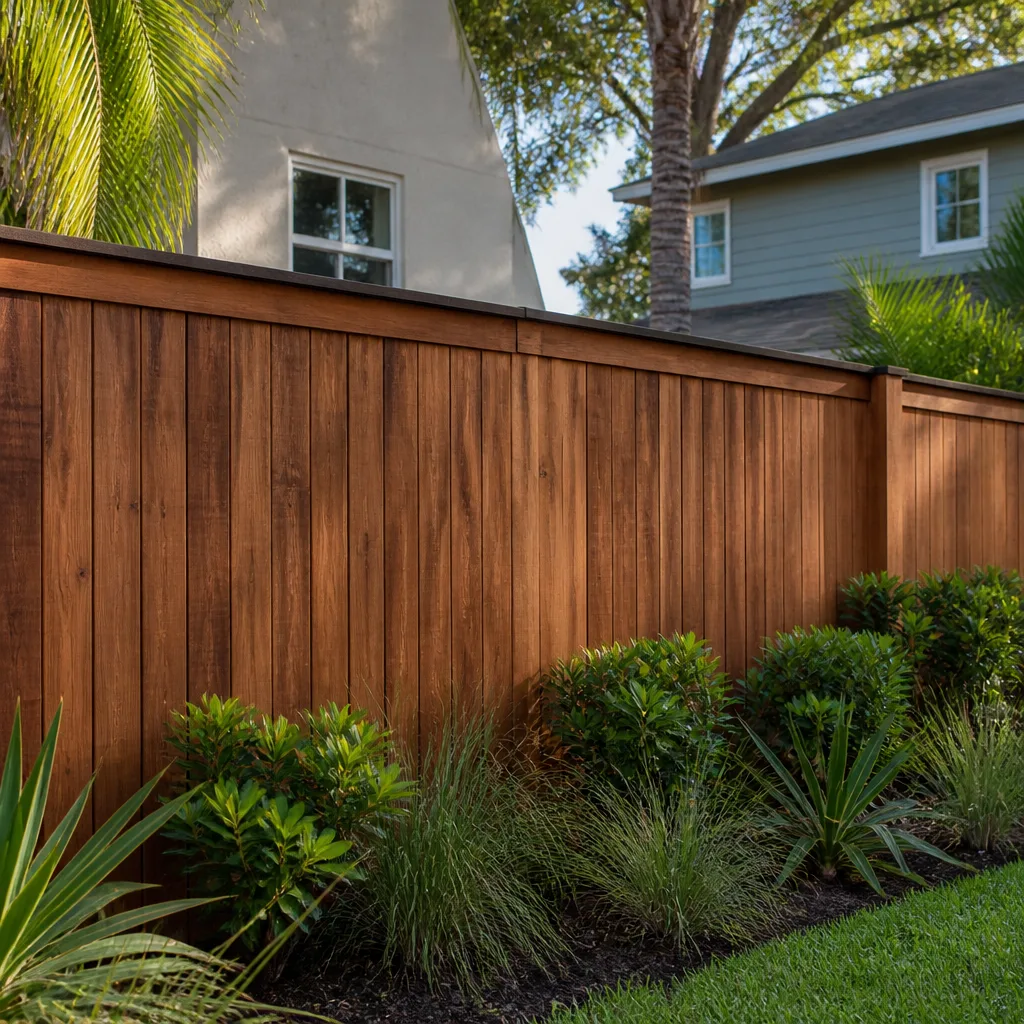
- Fence
Table of Contents
- Why Brand Choice Matters More in North Las Vegas Than Almost Anywhere
- Roofing Brands: GAF vs. Owens Corning vs. CertainTeed
- Paver Brands: Belgard vs. Pavestone vs. EP Henry
- Exterior Paint: Sherwin-Williams Duration vs. Behr Marquee vs. PPG
- Tile: Daltile vs. MSI vs. Florida Tile
- What “Contractor Preferred” Actually Means
- How to Verify SRI Ratings for Roofing and Flatwork
- Warranty Red Flags in Desert Climates
- How to Request Specific Brands and Prevent Substitution
Why Brand Choice Matters More in North Las Vegas Than Almost Anywhere
North Las Vegas sits in a basin where summer highs push past 110°F and roof surfaces, pavers, and driveways soak up far more than that. Materials age fast here. Asphalt shingles lose volatiles faster than in cooler markets. Paint chalks and fades under relentless sun. Concrete without a good seal develops hairline cracks from thermal cycling. Then the monsoon arrives and drops a month of rain in an hour, and anything that was already stressed shows it.
That combination, extreme heat plus sudden water, is why a brand’s climate-specific engineering matters more here than the label on the box. Two shingles with the same “30-year” rating can use different asphalt blends, different mat constructions, and different granule adhesion. Two pavers with the same compressive strength can differ in how they handle freeze-thaw (rare here) versus thermal expansion (constant here).
We’ve seen enough North Las Vegas jobs to know that the brand selection is where most of the durability gets decided, long before installation. The North Las Vegas Construction approach is to specify the brand before the crew arrives, so the product is locked in before the first nail is driven. That single habit prevents more callbacks than any conversation about workmanship.
This is also why one contractor managing the full property envelope helps. When the same team specifies roofing, windows, cabinetry, and paving, they’re thinking about how those products interact under the same desert conditions instead of each trade optimizing for its own supply house.
A few local realities worth naming:
- Exposed hardscape in North Las Vegas neighborhoods like Aliante and Eldorado can hit surface temperatures that are hard on unsealed concrete and low-grade pavers alike.
- Newer developments in the north valley often have lighter-colored roofs for energy reasons, which changes which shingle colors and reflective granules actually make sense.
- Older pockets near downtown and the historic core have different roof pitches and materials than the newer master-planned communities, so the same brand recommendation doesn’t always carry over.
Roofing Brands: GAF vs. Owens Corning vs. CertainTeed
For a North Las Vegas roof, the three names you’ll see most often on a serious bid are GAF, Owens Corning, and CertainTeed, with Atlas and IKO rounding out the field as solid alternatives. All five make products that can work here. The differences show up in climate-specific installation requirements, warranty terms, and how the shingle is engineered for heat.
Here’s how we think about the big three:
- GAF publishes detailed installation requirements and backs its system with layered warranty options. GAF-certified roofing systems reward contractors who follow the manufacturer’s component list (underlayment, starter strip, ridge cap, ventilation) rather than mixing brands mid-roof. That’s the meaningful part: a system warranty only holds if all the parts match.
- Owens Corning is well known for its Duration line and a strong ventilation and warranty program. Their documentation is clear about attic ventilation, which matters in North Las Vegas because a poorly vented attic cooks a roof deck from below as much as the sun does from above.
- CertainTeed offers architectural and designer lines with published installation specs and a broad color range. Their premium lines give homeowners a step up in appearance without stepping outside a mainstream manufacturer’s warranty support.
The practical takeaway: pick the manufacturer, then pick the exact line within it, then insist the entire roof system comes from that same manufacturer. A GAF shingle over a generic underlayment with mismatched ridge venting isn’t a GAF roof. It’s a mixture, and the strongest warranty won’t apply to a mixture.
We also want to flag something that rarely gets said plainly. A shingle rated “high wind” in a Georgia or Florida test facility is tested for wind-driven rain and hurricane conditions, not for 90 consecutive days above 150°F. What protects a North Las Vegas roof in the heat is the combination of shingle quality, underlayment quality, and ventilation, because heat degradation is a slow process that good venting and a proper system can slow considerably.
Plan your roof replacement as a project, not a repair call. Nobody installs a full roof same-day, and any contractor who says otherwise is either inflating the truth or rushing the work. Ask for the manufacturer’s installation instructions to be followed, ask which components are part of the system, and ask whether the contractor is certified to offer that manufacturer’s strongest warranty tier.
Paver Brands: Belgard vs. Pavestone vs. EP Henry
Driveways and patios are the surfaces a North Las Vegas homeowner actually touches every day, and the difference between a plain concrete slab and a properly engineered paver system is dramatic over 15 years. The three names that come up most in a serious comparison are Belgard, Pavestone, and EP Henry, with Techo-Bloc, Unilock, and Cambridge Pavers as the designer-grade tier.
How they differ in our experience:
- Belgard paver systems cover a wide range from standard driveway pavers up to premium and permeable lines. Their color and shape range is deep, and their dealer network publishes technical specs that make it possible to check what you’re actually getting.
- Pavestone is a mainstream, widely available option with a solid residential lineup. It’s a reasonable middle ground for budget-conscious homeowners who still want an engineered paver instead of poured concrete.
- EP Henry is known for premium and textured products with strong color retention, though availability in the Las Vegas market varies and it’s worth confirming before it appears in a bid.
- Techo-Bloc and Unilock sit at the designer end, with shapes and finishes that go far beyond what a standard concrete driveway can do. Their products tend to hold up well under UV because of how the pigments are integrated.
In North Las Vegas, pavers face a specific test: months of dry, intense sun followed by monsoon downpours. That combination drives thermal movement in the base layer and the pavers themselves. A properly specified paver system includes a compacted aggregate base, a geotextile where needed, edge restraints, and polymeric joint sand. Skip those and even a premium paver will shift and rut within a few seasons.
That’s the reason we treat hardscape as an engineered system, not just a surface product. Our driveway & pavers work centers on specifying the brand, the base, and the edge restraint together, because the paver alone doesn’t guarantee anything. If you’re comparing quotes, ask each contractor which brand and line they’re specifying, what base depth they build, and whether the joint sand is polymeric or standard. Those three answers tell you more than the price line.
One more local note. Lots of North Las Vegas homes have paver driveways, patios, and pool decks visible from the street, so curb appeal matters here in a way it doesn’t in every market. The designer lines from Belgard and Techo-Bloc exist for exactly that reason: engineered durability plus a look that stands up at the curb.
Exterior Paint: Sherwin-Williams Duration vs. Behr Marquee vs. PPG
Exterior paint in North Las Vegas takes a beating that most of the country never sees. UV intensity here breaks down binders quickly, and the swing between 110°F afternoons and cooler desert nights stresses any coating that isn’t formulated for it. The three names most often weighed are Sherwin-Williams Duration, Behr Marquee, and PPG’s premium exterior lines.
What matters in each:
- Sherwin-Williams Duration is formulated as a premium exterior acrylic with strong dirt and fade resistance and a thick film build. It’s often specified where a longer repaint cycle is the goal, and its published surface-prep requirements are worth reading before anyone picks up a brush.
- Behr Marquee is positioned around one-coat coverage and stain resistance. It performs well in many climates, and its lower-VOC formulations are popular, though in the North Las Vegas heat, surface preparation and primer choice matter as much as the topcoat.
- PPG offers premium exterior lines like its TIMELESS and Diamond lines, with solid color retention and multiple sheen options. PPG’s exterior acrylics hold up reasonably well under intense sun when applied over a properly prepared and primed surface.
The single biggest mistake with exterior paint here isn’t brand selection. It’s skipping prep. Stucco and masonry need to be clean, sound, and properly cured before any premium paint goes on. Painting over a dusty or cracked stucco wall with a great product is still a failed paint job six months later.
Also worth knowing: darker colors absorb more heat, which raises surface temps and accelerates coating breakdown. In North Las Vegas, a lighter palette isn’t just a design preference. It’s a durability choice. And the same principle applies to paint on garage doors, fences, and trim, where a lighter color and a high-quality exterior acrylic will outlast a darker, cheaper combination every time.
Tile: Daltile vs. MSI vs. Florida Tile
Tile is a big category for North Las Vegas bathrooms and kitchens, and the names that come up repeatedly are Daltile, MSI, and Florida Tile. Each offers a wide range, and the differences that matter here are about where the tile goes and what it sits on, not only the brand badge on the box.
- Daltile is one of the broadest residential tile lines, with porcelain, ceramic, and natural stone options in most sizes and finishes. Their porcelain lines are suitable for large-format floor and wall use, and their published installation requirements are thorough.
- MSI has a strong reputation in large-format porcelain, natural stone, and quartz surfaces, with a deep visual range. Many MSI products are engineered for interior floors and walls, and their spec sheets make it clear what substrate and deflection limits apply.
- Florida Tile offers a solid range of porcelain and ceramic products with good color consistency, and their products appear widely in residential remodels.
For a North Las Vegas bathroom, the substrate matters as much as the tile. A large-format porcelain tile over a moving floor will crack no matter what brand it is. That’s why uncoupling membranes like Schluter’s Ditra system are worth specifying, because they isolate the tile from the natural movement of a wood subfloor or a slab. The membrane isn’t glamorous, but it’s the difference between a tile floor that lasts and one that tents and cracks in a couple of years.
Heat also affects tile in kitchen settings. Tile adjacent to an oven or cooktop in a North Las Vegas kitchen expands and contracts with daily cooking, so the grout and thinset behind it need to be spec’d for thermal movement. In our experience, the tile brand selection pairs with the membrane and thinset choice, not the other way around.
We specify tile from these major manufacturers because their spec sheets are written clearly enough to check against a real installation. A good tile brand with a poor substrate installation is a failed tile job, and vice versa. Since we handle both the selection and the installation under one contractor relationship, the home additions & ADU work and the bathroom remodel share the same standard for what goes under the finished surface.
What “Contractor Preferred” Actually Means
When a contractor says a brand is “contractor preferred,” it can mean two very different things. Sometimes it reflects real performance data: the contractor has installed it for years in this climate, knows its failure modes, and chooses it because it holds up. Other times it reflects a distributor rebate program, a pro-dealer relationship, or a supply house stocking deal.
Here’s how to tell the difference:
- Ask which product line specifically, not just which brand. “GAF” isn’t a spec; “GAF Timberline HDZ” is a spec. Contractors who really prefer a product can usually name the line without looking it up.
- Ask whether the contractor can show you the manufacturer’s installation instructions for that product. Every major manufacturer publishes them. A contractor who has never looked is not specifying it for performance.
- Ask whether the contractor is certified or authorized by the manufacturer. Some manufacturers maintain certification tiers tied to training and warranty support. If certification isn’t part of the picture, treat “preferred” as a preference, not a proof point.
- Ask what the contractor doesn’t recommend and why. Anyone who recommends every brand equally isn’t recommending anything.
In North Las Vegas, we also recommend asking which brands a contractor has installed locally in the last year or two and what the failure calls looked like. A material that performs wonderfully in a mild climate can underwhelm here. That’s why our own roster leans on manufacturers who publish climate-specific guidance and whose products have a track record in the valley, including fixtures from brands like Kohler, Moen, Grohe, and Toto for the plumbing side, and specialty products like Schluter for tile substrates.
The brand portfolio itself is a signal. A contractor authorized to work with 50+ name-brand lines across roofing, windows, doors, cabinetry, countertops, plumbing fixtures, fencing, and pavers is making brand decisions across a much wider range of projects than a single-trade contractor. That breadth matters when the same roofing decision, paver decision, and cabinet decision need to fit together under one roof. It’s also why our process is built around the phrase: we handle the scope, you make the selections.
How to Verify SRI Ratings for Roofing and Flatwork
Solar Reflectance Index, or SRI, is a measure of how well a surface reflects solar heat and emits absorbed heat. A higher SRI means a cooler surface, and in North Las Vegas that translates directly into lower cooling loads and slower material aging. The number matters. But verifying it matters more.
Here’s a step-by-step way to verify what you’re actually buying:
- Ask the contractor which specific product and color they are specifying. SRI varies by color within the same product line, often dramatically. A white shingle in a line may have an SRI in the 20s while a dark gray from the same line is far lower.
- Ask for the manufacturer’s published SRI data for the exact product and color code. This is a published figure, available in the manufacturer’s technical documentation or their color chart. No SRI number should ever be taken on a contractor’s word.
- Check the product’s compliance with the relevant building code or energy program used in your jurisdiction. Many North Las Vegas jurisdictions and utility programs reference SRI or a similar metric for roofing and cool-wall surfaces, and the contractor should be able to tell you what your specific property requires.
- For flatwork and hardscape, ask whether the product’s manufacturer publishes reflectivity or albedo data. Paver and concrete reflectivity is not the same as roofing SRI, and it’s a different calculation. Don’t let a paver get sold to you with a roofing number.
There’s a second reason SRI matters here beyond energy. A cooler surface is a longer-lived surface. A shingle that runs cooler ages more slowly. A paver that reflects more sun holds its color longer. The performance benefit compounds over years, and it’s one of the few spec sheet numbers that translates directly to North Las Vegas conditions.
When we specify a roofing product, the manufacturer’s published SRI data is part of the selection conversation, not an afterthought. That’s the difference between choosing a brand and choosing a product.
Warranty Red Flags in Desert Climates
Manufacturer warranties are not all equal, and desert climates expose the gaps faster than most. The biggest red flags to watch for:
- The warranty doesn’t mention installation requirements. If the manufacturer’s warranty document doesn’t reference specific installation practices (underlayment, ventilation, substrate, fasteners), read it as a warranty that lets the manufacturer walk away from any installation they don’t like. Look for language that says the installation must follow the manufacturer’s published instructions.
- The warranty has a “proper ventilation” clause with no definition. Roofing warranties often require proper attic ventilation, and a vague clause lets claims get denied for reasons that were never stated up front. Ask what counts as proper ventilation for your specific roof.
- The warranty excludes “acts of nature” broadly. In a real North Las Vegas market, wind, heat, and monsoon rain are ordinary conditions, not exotic acts. If these are excluded from the core warranty, the warranty is thinner than it looks.
- The warranty is not registered or transferable. Many manufacturer warranties require registration within a window after installation and offer a transferable version for resale. If the contractor doesn’t mention registration, ask.
- The warranty doesn’t cover the components you’re paying for. A shingle warranty doesn’t cover the ridge vent. A paint warranty doesn’t cover the substrate failure underneath. Make sure the warranty tiers cover the whole system, not just the top surface.
The other common red flag in desert climates is a warranty that requires a specific substrate or underlayment the contractor plans to skip. If the warranty document and the installation scope have a gap, the warranty will be the loser. That’s why we recommend reading the manufacturer’s warranty summary as part of the bid review, and it’s a normal conversation to have before signing anything.
One more thing worth stating: a warranty is not a guarantee of quality. It’s a commitment by the manufacturer to make their product right under certain conditions. The best warranty in the world is worthless if the installation didn’t meet the manufacturer’s requirements. That’s why the standard we hold in our own projects is: built to code and built to last, and the paperwork to match.
How to Request Specific Brands and Prevent Substitution
The gap between the brand on the bid and the brand on the invoice is one of the most common ways homeowners get less than they paid for. Substitution can happen for many reasons: supply issues, a contractor’s existing stock, or a quiet upgrade to their margin. Here’s how to close that gap contractually and practically.
- Write the brand, product line, model or SKU, and color into the written bid, not just the brand name. “GAF Timberline HDZ, Charcoal, with matching starter strip and ridge cap” is a spec. “GAF shingles” is not.
- Ask for a written line-item quote that lists each product and its exact specification alongside its price. Compare quotes line by line, not total to total.
- Ask for a substitution clause: no substitution without written homeowner approval, and any approved substitution must be documented in the change order.
- Require that the manufacturer’s product data sheets or spec sheets be delivered with the final invoice. It’s a small ask and it creates a record.
- Ask what happens if a specified item is out of stock. A good contractor offers to wait, offers an equal-or-better substitute with your approval, or negotiates a fair adjustment. A bad contractor substitutes silently.
- Spot-check on delivery. Packaging and labels are visible, and a quick look at the delivered materials confirms what’s actually on site.
Our approach is to put the specification in the estimate and to hold the fixed price with no change orders for scope that’s already agreed. When we specify the brand before the crew arrives, the brand on the invoice is the brand on the bid. That’s a small operational habit that prevents a very large category of disputes.
The same discipline applies to windows and doors. Therma-Tru door systems and PGT windows are product lines with published specifications, and the exact line and color should be specified in the bid rather than assumed. We also specify hardware and finish details, because a beautiful door with the wrong weatherstripping or finish is a leak waiting to happen. And when the job includes fencing, products like those from the major fencing manufacturers are specified the same way: exact brand, exact line, exact spec. Our fence installation scope follows the same rule.
Common Mistakes to Avoid
- Buying a brand, not a product. “GAF roof” and “Owens Corning roof” can mean anything from the entry-level line to the designer line. The product line inside the brand is what actually determines durability and warranty coverage.
- Letting ventilation be an afterthought. In North Las Vegas, a poorly vented attic and a poorly installed roof compound each other. The best shingle on a hot, under-vented roof still ages faster than a mid-grade shingle on a properly vented one.
- Skipping the substrate conversation on tile and pavers. Large-format porcelain over the wrong substrate cracks. Pavers over a shallow base rut. The brand doesn’t save either one.
- Assuming “one-coat” exterior paint is a shortcut. Premium exterior paint over a poorly prepped stucco surface in this heat still fails early. Preparation is not optional here.
- Accepting a verbal brand commitment. “We’ll use a good brand” isn’t a spec, and it isn’t enforceable. Get the exact brand, line, and color in writing.
- Not asking about SRI for a roof. Picking a color for looks without checking the published SRI is leaving easy performance on the table in a North Las Vegas climate.
- Overlooking the installer behind the product. Even a premium paver brand or premium shingle brand is only as good as the crew installing it. Ask what the contractor’s installation standard is, and whether they follow the manufacturer’s instructions without exception.
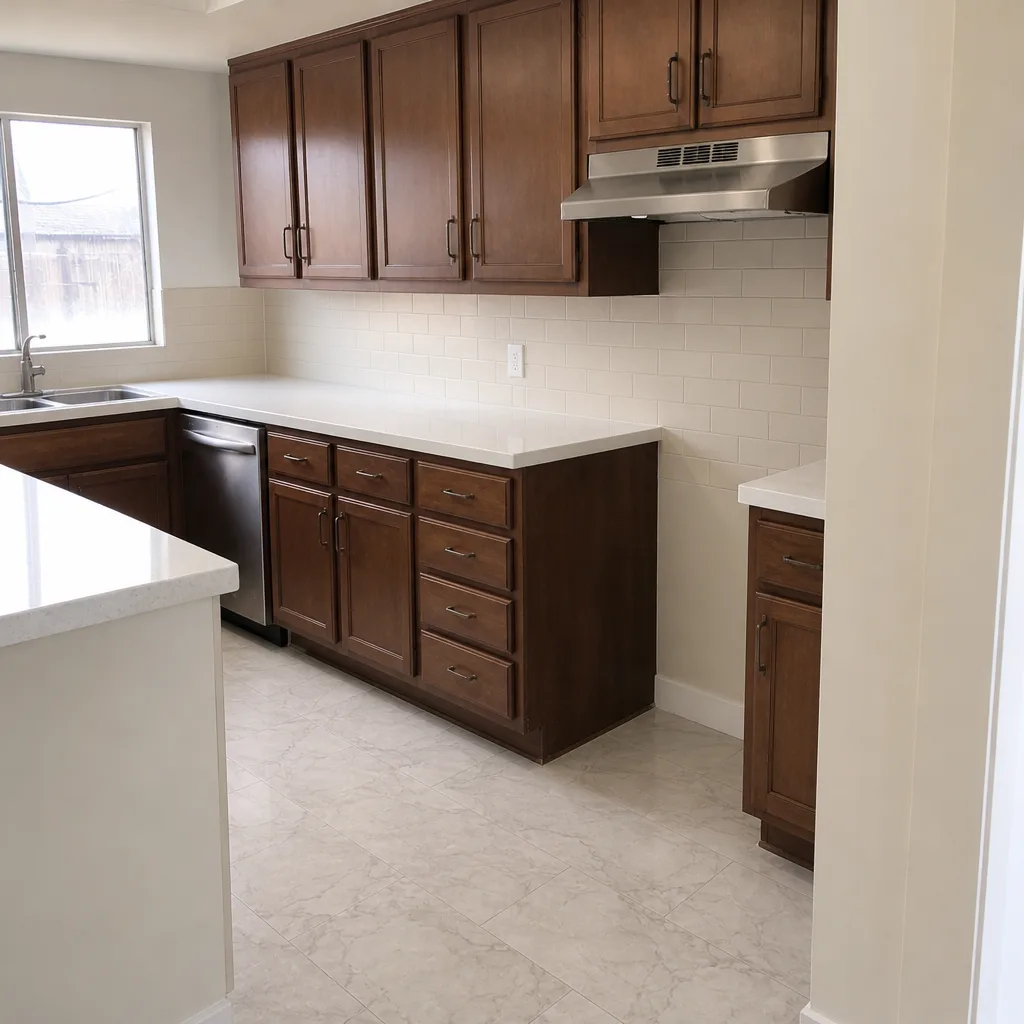
See the difference
 Before
 After
 Before
 After
 Before
 After
When to Call a Professional
Some brand questions you can answer yourself by reading spec sheets. Others need a professional eye. Call us when your project involves a roof replacement or repair anywhere near the roof plane, when you’re specifying exterior paint for a full house, when you’re choosing pavers for a driveway or patio, when you’re replacing tile in a bathroom or kitchen, or when one property has multiple projects that need to be specified together so the brands and installation details line up. Roofing, electrical, gas, and any steep-roof work are genuinely dangerous and should always be done by a trained, licensed professional, never as a DIY project. North Las Vegas Construction offers free estimates in North Las Vegas. Call (833) 734-2032. We answer 24/7. Fast dispatch from 7am to 7pm, Sunday through Friday.
Frequently Asked Questions
The best brands for a North Las Vegas home are the ones whose products are engineered for intense UV, surface temperatures above 150°F, and sudden monsoon rain, and whose manufacturers publish climate-specific installation requirements. In practice, that means GAF, Owens Corning, or CertainTeed for roofing, Belgard or Techo-Bloc for pavers, Sherwin-Williams Duration for exterior paint, and Daltile or MSI for tile. The brand choice is half the decision, and the exact product line inside that brand is the other half. Call (833) 734-2032 to walk through what fits your specific property, and the estimate is free.
Ask the contractor for the manufacturer’s published SRI data for the exact product and color, not just the brand. SRI varies by color within the same line, sometimes significantly, and no SRI figure should be taken on a contractor’s word. The published data is in the manufacturer’s technical documentation or color chart, and a good contractor will bring it to the bid conversation. Call (833) 734-2032 and we’ll help you read what’s actually in the spec.
“Contractor preferred” can mean real performance data in this climate, or it can mean a distributor rebate or a supply house relationship. To tell the difference, ask which specific product line, whether the contractor can show the manufacturer’s installation instructions, and whether they’re certified by that manufacturer. Anyone who recommends every brand equally is not recommending anything. Call (833) 734-2032 for a free estimate that names the exact product line, not just the brand.
Write the brand, product line, model or SKU, and color into the written bid, and require that any substitution gets written homeowner approval. Then spot-check the delivered materials, because labels and packaging are visible. Our approach is to put the specification in the written estimate and hold the fixed price with no change orders on agreed scope. Call (833) 734-2032 to schedule a free estimate with a line-item brand specification.
Belgard and Techo-Bloc both publish clear technical specs and offer product lines engineered for UV and thermal movement, which is what matters in the North Las Vegas climate. Pavestone is a reasonable mainstream option, and Unilock and Cambridge Pavers sit at the designer end. In all cases, the base, edge restraint, and polymeric joint sand matter as much as the paver brand. Call (833) 734-2032 and we’ll walk through a paver spec that fits your driveway or patio.
Intense UV and temperatures above 110°F break down paint binders much faster than in cooler climates, and the swing between hot days and cooler desert nights stresses the coating further. Sherwin-Williams Duration, Behr Marquee, and premium PPG exterior lines all have products that perform well here when the prep is right, which means clean, sound, cured stucco before any premium paint goes on. Call (833) 734-2032 to schedule a free estimate for your exterior project.
The Bottom Line
Brand selection is where a North Las Vegas project’s durability gets decided, and the brand on the bid matters less than the product line inside it and the installation standard behind it. Roofing should come from a manufacturer like GAF, Owens Corning, or CertainTeed, with proper ventilation and a matching system. Pavers should come from Belgard, Techo-Bloc, or a comparably engineered line, over a built base. Paint should be a premium exterior acrylic with the substrate prepared properly. Tile should be a well-documented brand over the right membrane. And every one of those specifications should be written into the bid, the invoice, and the manufacturer’s warranty requirements. When the same team manages all of those decisions on one North Las Vegas property, the brands line up, the paperwork lines up, and the project performs.
Ready to specify your project? North Las Vegas Construction offers free estimates in North Las Vegas, with written line-item quotes, fixed pricing on agreed scope, and brands named before the crew arrives. Call (833) 734-2032. We answer 24/7. Fast dispatch from 7am to 7pm, Sunday through Friday.
Written by the team at North Las Vegas Construction.